How a lock or thermostat can reveal a routine
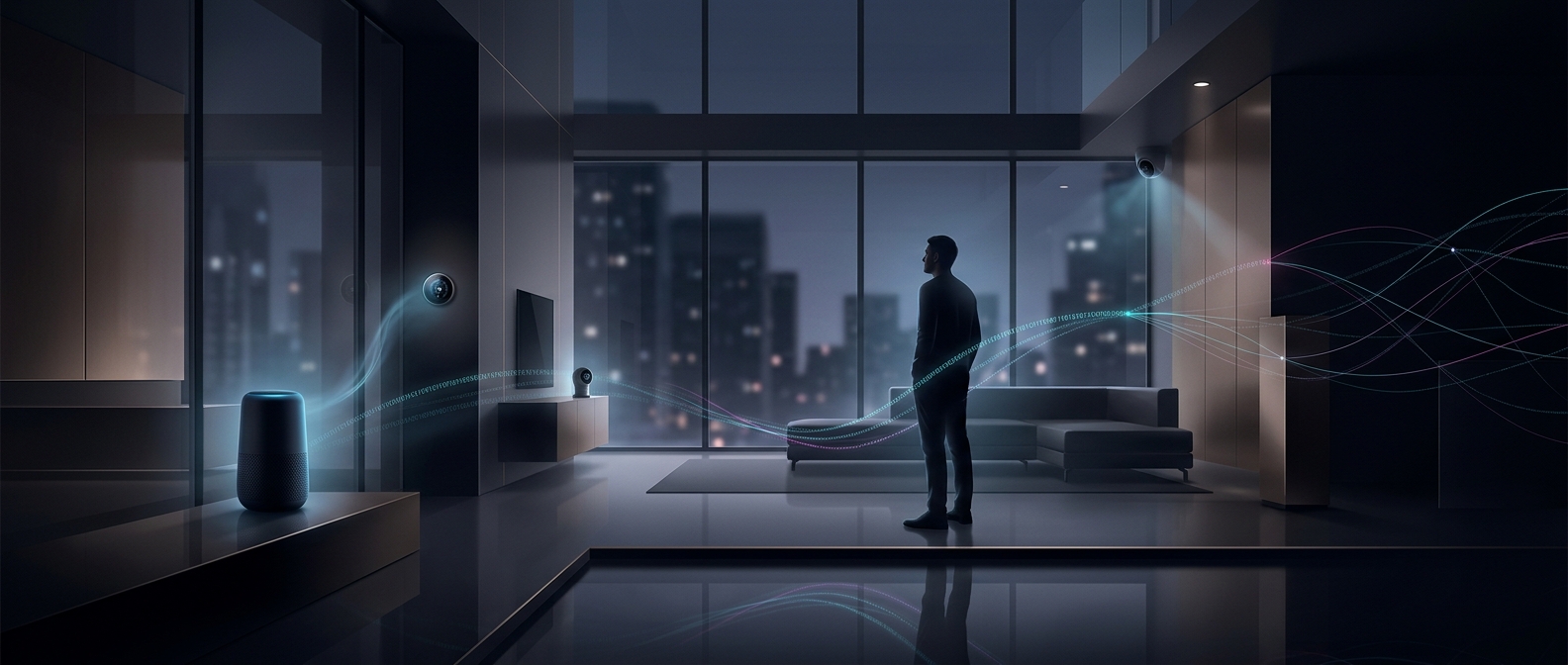
A connected lock records events such as a door being locked or unlocked, often with a time and an account or code associated with the action. A smart thermostat may log temperature changes, settings, and periods when its system detects activity or switches into an energy-saving mode. Neither device has to record video to produce a revealing pattern: repeated timestamps can suggest when a home is occupied, when someone leaves, or how regularly they return.
The account behind the device matters
These records usually pass through an app or online service so the device can be controlled remotely. Whoever has administrator access—potentially a landlord, property manager, or installer—may be able to view settings, alerts, or activity histories, depending on the product and how the system was configured. Some devices also allow shared users, such as tenants, while others are tied more closely to the owner’s account.
That distinction can be easy to miss at move-in. A tenant may use a lock every day without knowing who can see its event history, or may adjust a thermostat without knowing whether the account owner can inspect its data. Access can also persist after a resident moves out if accounts and permissions are not changed.
A household record, not just a convenience feature
Remote access can help manage repairs or respond to a lockout, but it also creates a question of control: who can see the records, for what purpose, and for how long? The practical details are device-specific, so residents should ask who owns the account, which people have access, and whether activity history can be disabled or deleted. A door can still open and a thermostat can still regulate temperature; the less visible issue is who gets a timeline of their use.