Mud Turned Camp Messages Into an Archive
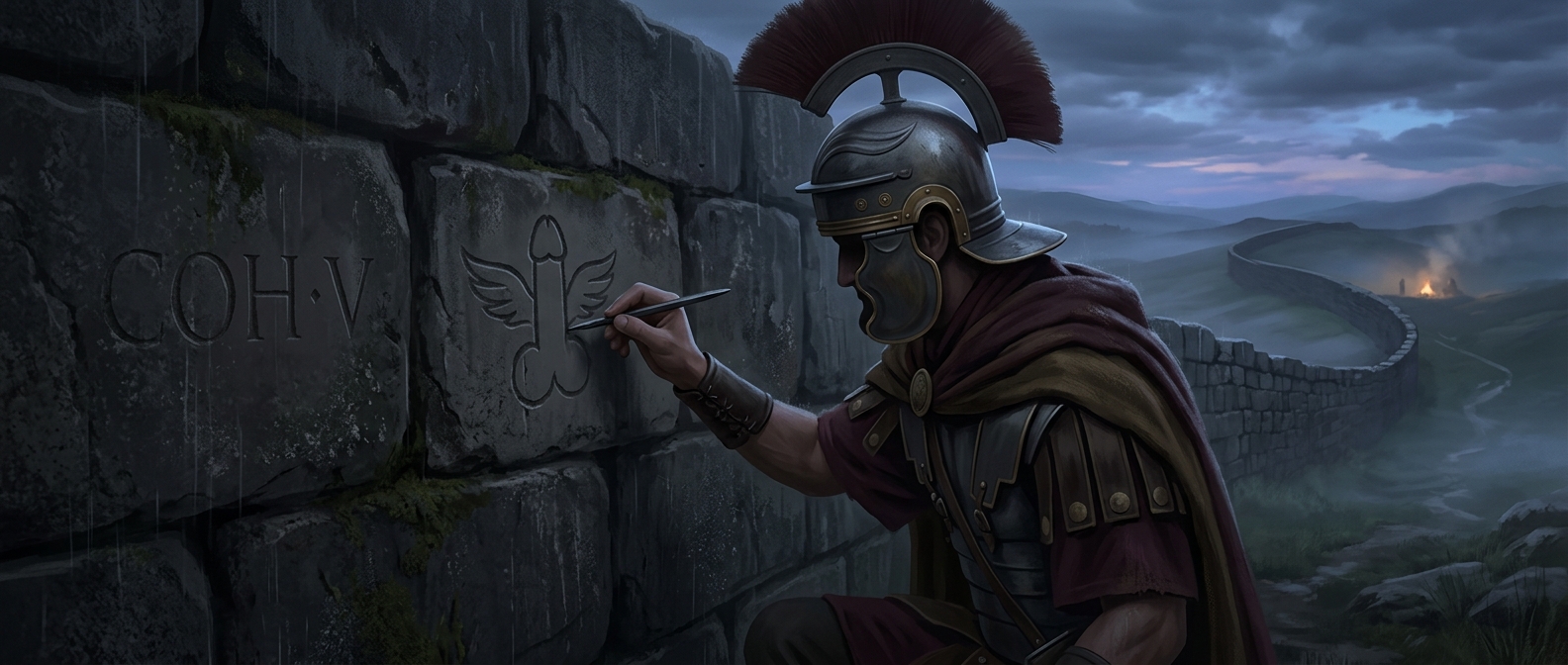
At Vindolanda, a Roman fort near Hadrian’s Wall, soldiers and their families wrote on thin wooden leaves with ink. The tablets were practical objects: letters, lists, and notes that could be carried, read, and discarded. Most such scraps would have rotted away. At Vindolanda, however, some were buried in waterlogged ground with little oxygen. That slowed the decay of the wood and preserved writing that would otherwise have vanished.
What Complaints Reveal
A request for clothing or a grumble about a superior is more than a colorful glimpse of barracks life. It shows how the army depended on ordinary supplies and relationships beyond the fort. Soldiers were not cut off from the wider world: they could write to relatives, ask for goods, and communicate with colleagues. Their words make the frontier feel less like a line on a map and more like a workplace where people worried about comfort, status, and the people in charge.
The tablets also complicate the idea that writing in Roman Britain belonged only to officials and elites. Many surviving documents are administrative, but personal notes and informal writing show that written communication had a place in everyday military life. Even insults matter: they preserve the private voice that formal records tend to suppress, while showing that authority did not prevent people from mocking those who held it.
A Rarely Preserved Side of Rome
The archive is unusual not because Roman soldiers never complained, but because their complaints almost never survive. A damp patch of ground did what stone monuments could not: it kept the fleeting language of camp life intact. That is why a small wooden note can tell us something an imperial inscription rarely does—what people on the frontier wanted on an ordinary day.