Why an open mic can feel so unforgiving
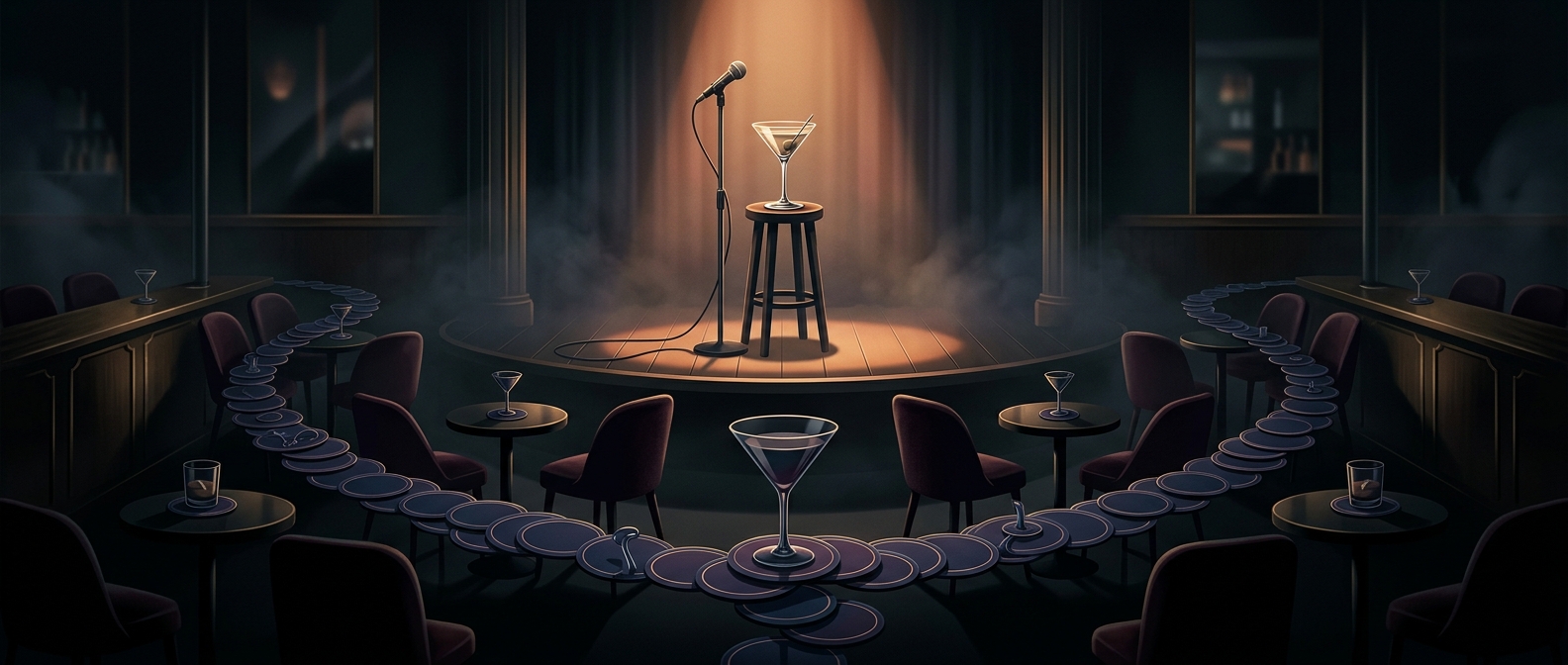
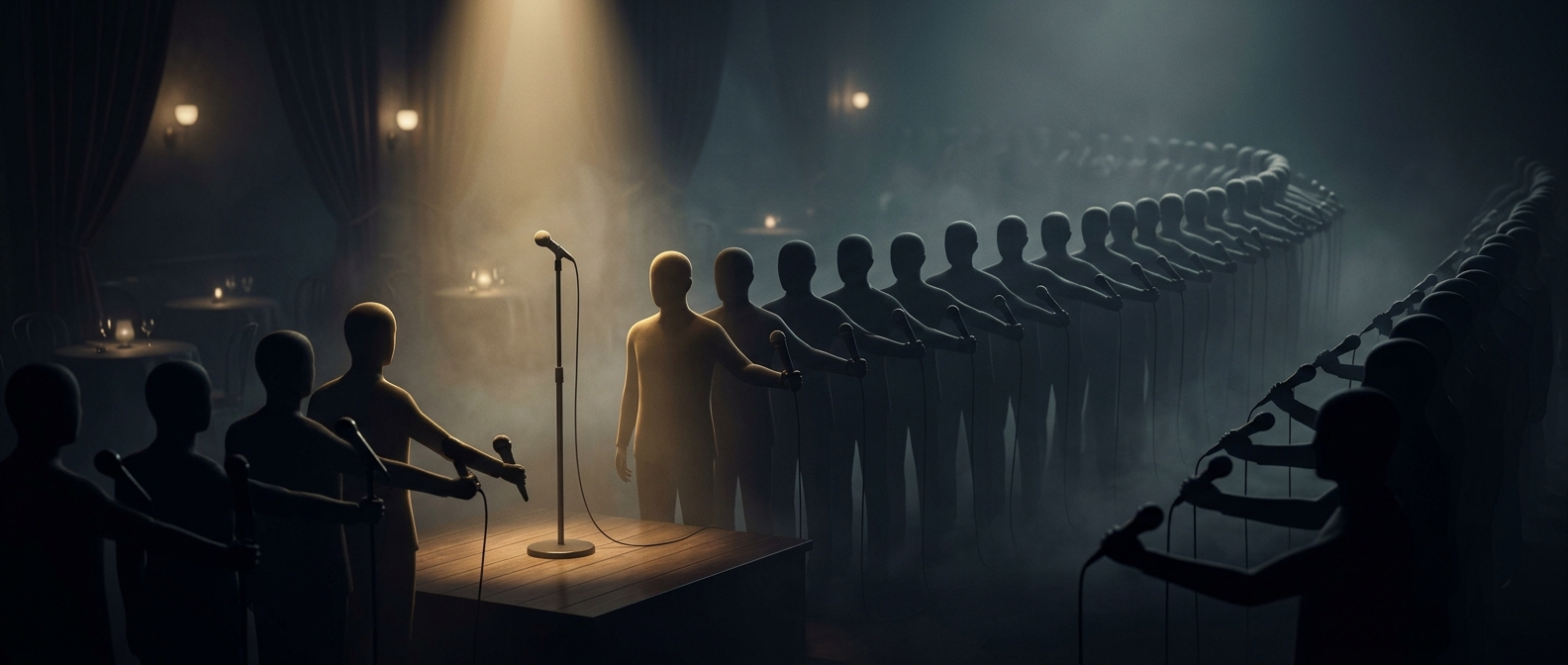
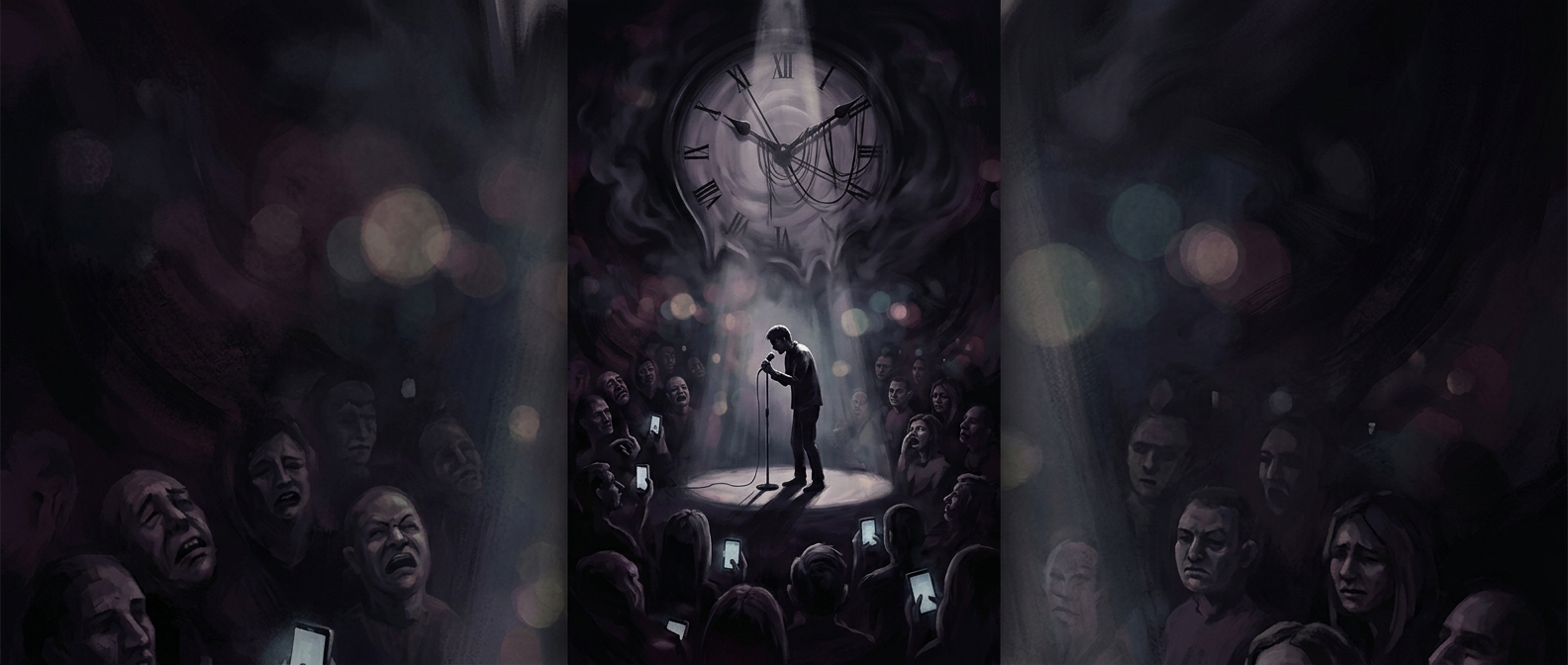
An open mic puts unfinished work in public. A performer may be trying a new premise, testing a different ending, or learning whether a pause feels deliberate or merely awkward. The audience, meanwhile, has no guarantee that the next set will build on the last one—or even match its style. That uncertainty is part of the format’s appeal, but it can make the room feel lopsided: the performer is being judged in real time, while the crowd is deciding how much attention to give.
Laughter is feedback, but not a verdict
For a comic, a response can help locate a problem. If a laugh comes late, the setup may be unclear; if a joke goes quiet, the premise or wording may not be landing. But silence does not explain itself. The room may be tired, distracted, or simply unfamiliar with the performer’s approach. A useful test therefore means more than asking whether people laughed: it means noticing where their attention changed and revising the material before trying it again.
The format’s practical value is that it gives performers a place to take those risks without making every experiment part of a polished paid show. The audience sees the draft, not just the finished routine—and sometimes the most revealing response is the beat of silence that tells a comic what still needs work.