How the Digestive Tract Reverses Course
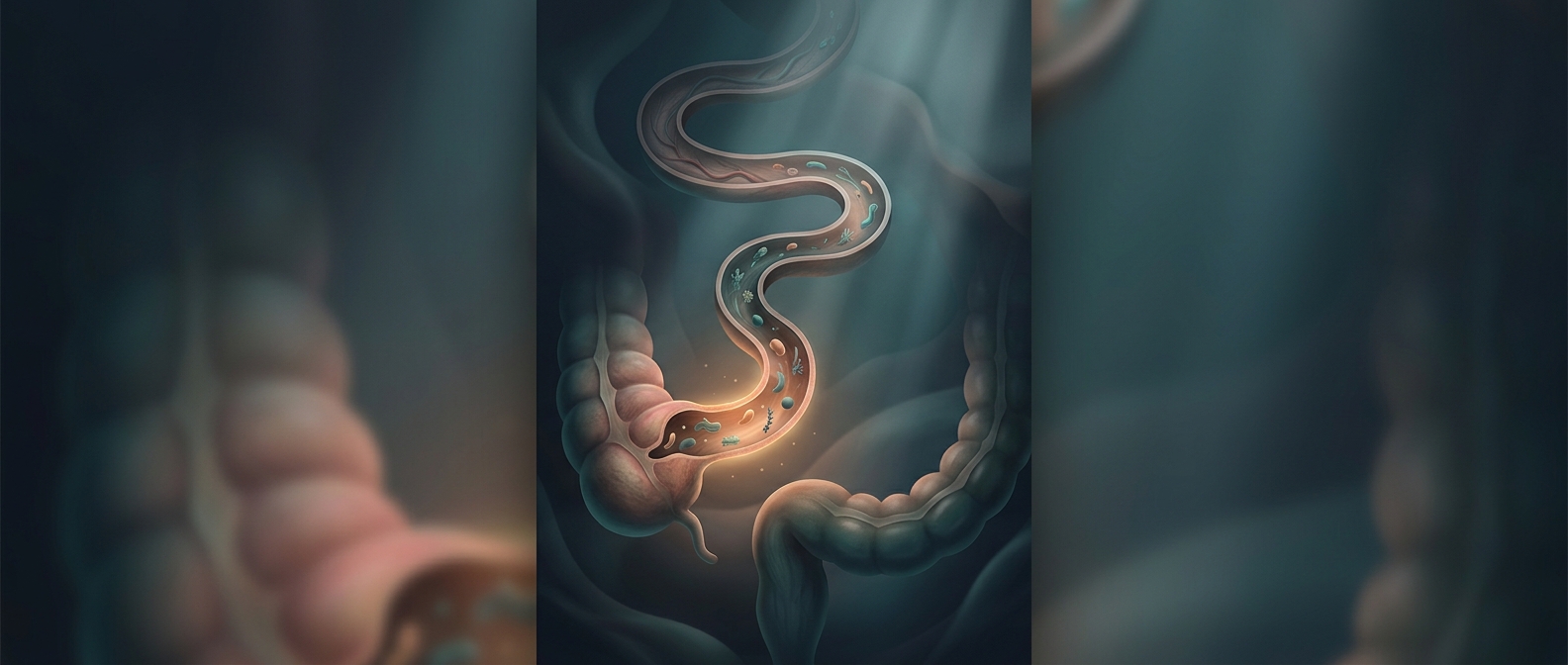
Vomiting is not simply food spilling out of the stomach. It is a coordinated reflex that temporarily changes the usual traffic pattern of the upper digestive tract. Normally, waves of muscle contraction move swallowed food downward through the esophagus and help move stomach contents toward the intestine. During vomiting, the body organizes a forceful route in the opposite direction.
A Reflex, Not a Reversed Conveyor Belt
The sequence begins when signals from the gut or other parts of the body activate a brainstem network that coordinates vomiting. The stomach and upper intestine contract, while the passage between the stomach and esophagus relaxes. The diaphragm and abdominal muscles then tighten, raising pressure inside the abdomen and helping drive stomach contents upward.
This is more precise than saying that all digestion simply runs backward: the esophagus does not become a uniformly reversed tube. Instead, several muscles and valves change their activity in a carefully timed pattern, opening an upward path and supplying the force to use it.
Why the Body Uses This Route
Vomiting can help expel material that the body detects as harmful or that is causing severe irritation, though the reflex can also be triggered by illness, motion, medication, or other signals. Because it involves the nervous system, muscles, and digestive tract together, it can continue even after the stomach is mostly empty, producing dry heaving.
The striking detail is that the gut’s usual one-way movement is not a permanent rule: for a short time, a brain-coordinated reflex can redirect its contents toward the mouth.