How the colon turns liquid leftovers into stool
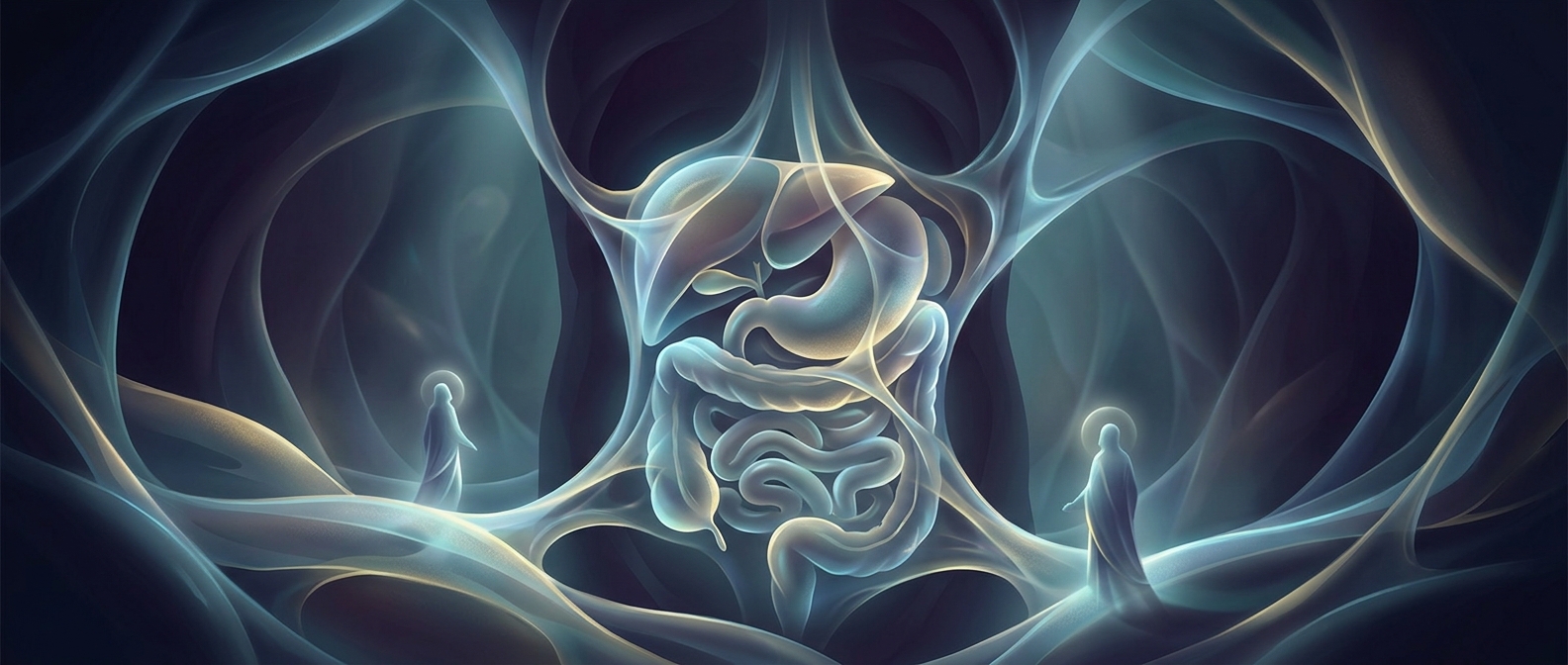
The large intestine is roughly five feet long, though its length varies. Its job is not simply to store waste: as contents travel through it, the colon’s lining moves salts—especially sodium—from the gut into the body. Water follows that movement, returning to the bloodstream. The remaining material becomes more concentrated and easier to pass.
The colon’s muscles help control how long this process takes. Waves of contraction push contents along, while slower mixing movements keep them in contact with the lining. That contact gives the body time to reclaim water; the colon also absorbs some vitamins made by its resident bacteria and adds mucus that helps stool move smoothly.
Why timing changes the result
Water recovery depends partly on transit time—the time waste spends moving through the colon. If contents move unusually quickly, less water is removed and stool can remain loose. If they move too slowly, more water is absorbed, and stool can become hard and difficult to pass. The colon’s role is therefore a balance: reclaim enough water to form stool without making it too dry.
By the time waste reaches the rectum, it is no longer the watery mixture that entered the large intestine. It has been concentrated into a form the body can hold briefly and then eliminate. That final recovery of water is small compared with the body’s overall daily water use, but it makes the difference between liquid leftovers and formed stool.