Why the Caspian Sea Is a Lake
The Caspian is called a sea because it is vast and salty, but the usual geographic distinction is about where water goes. An ocean-connected sea has a natural passage to the ocean. The Caspian has none: it is enclosed by land, making it a lake by drainage, despite its name and sea-like scale.
Where Its Water Goes
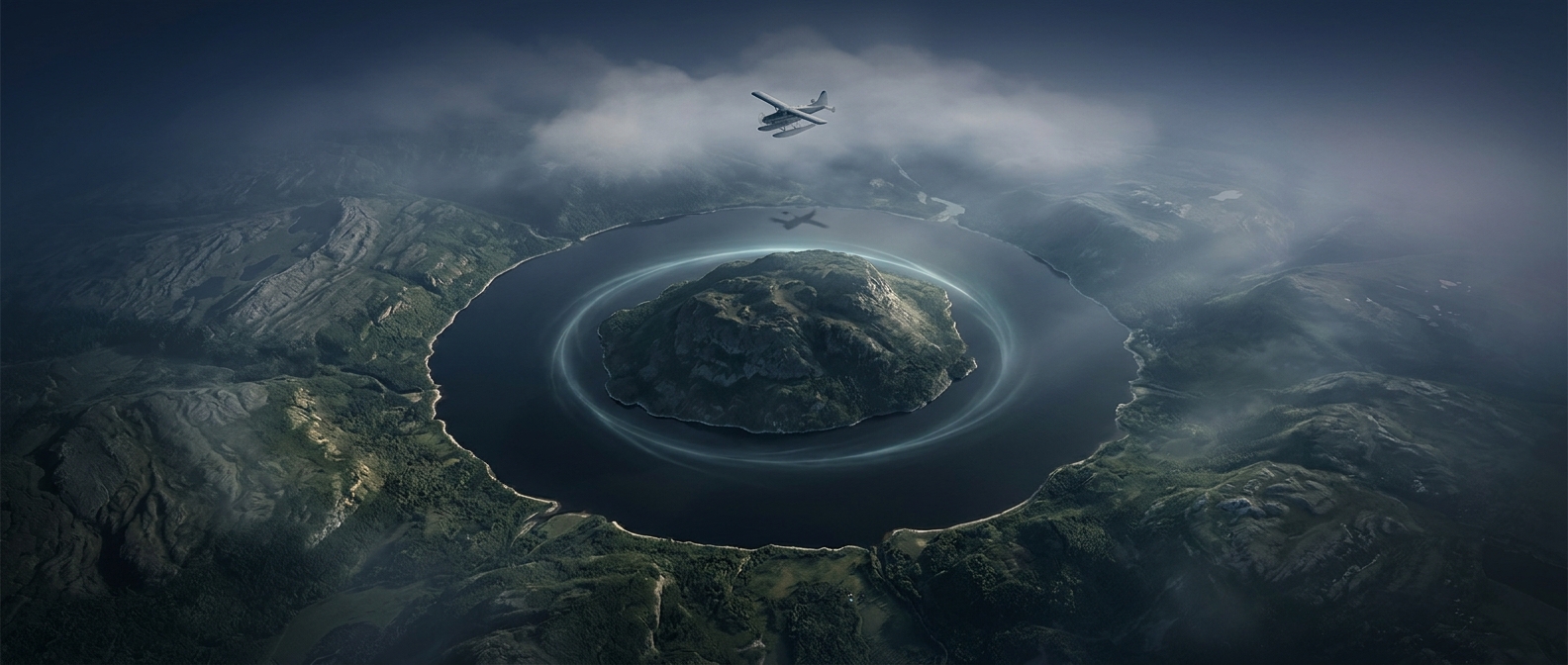
Rivers flow into the Caspian, but none carries its water out to the ocean. Instead, water leaves chiefly through evaporation from the surface. This makes the Caspian an endorheic basin—a region whose rivers drain inward rather than reaching the sea. Dissolved minerals remain behind as water evaporates, helping make the lake salty, though its salinity is not uniform throughout.
The balance between river inflow and evaporation also affects the shoreline. If more water enters than evaporates, the level can rise; if less enters, it can fall. With no outlet to carry away excess water, changes in that balance can reshape the edges of this enormous inland body.
A Sea in Name, a Lake in Geography
The label does not make the Caspian less important as a route, resource, or striking landscape. It simply reflects a different kind of connection to the planet’s water system: the Caspian is immense, but its water stays within its own basin rather than flowing onward to the ocean.