The glamour is built around the risk
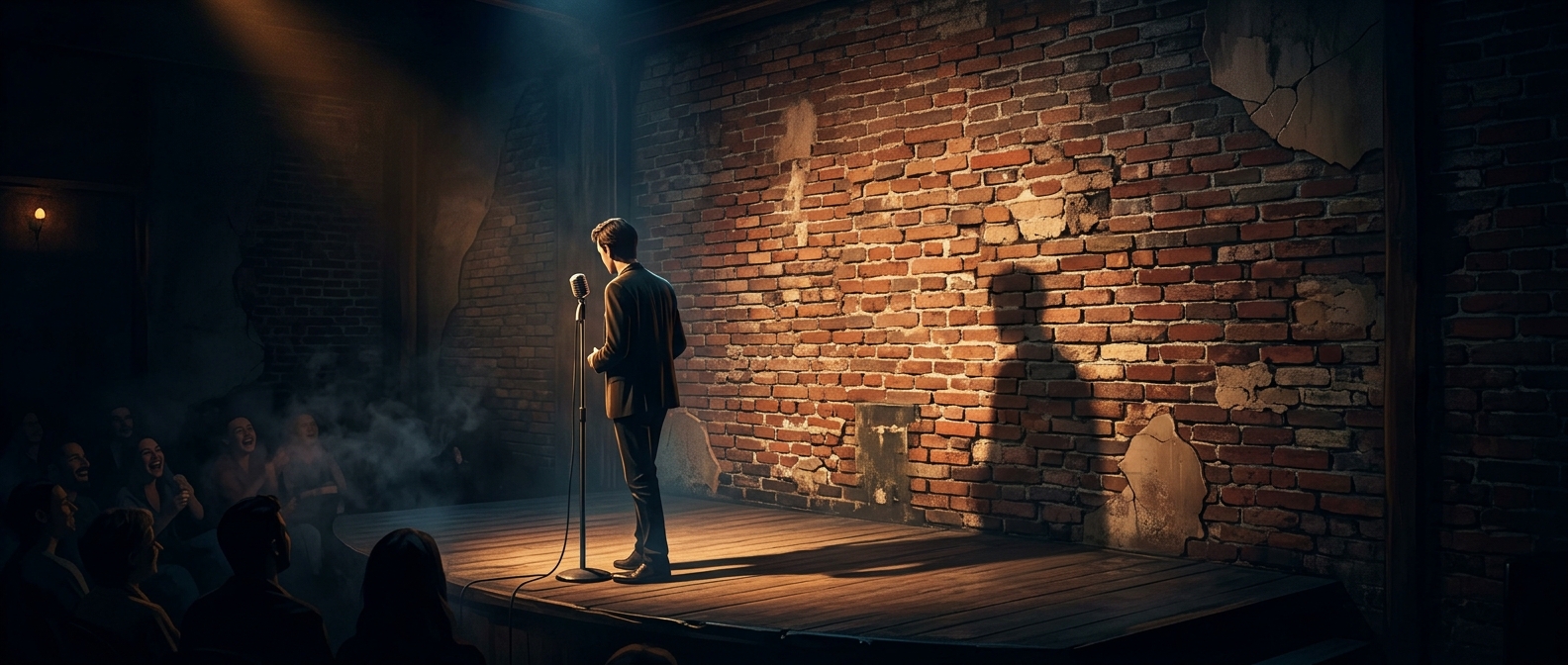
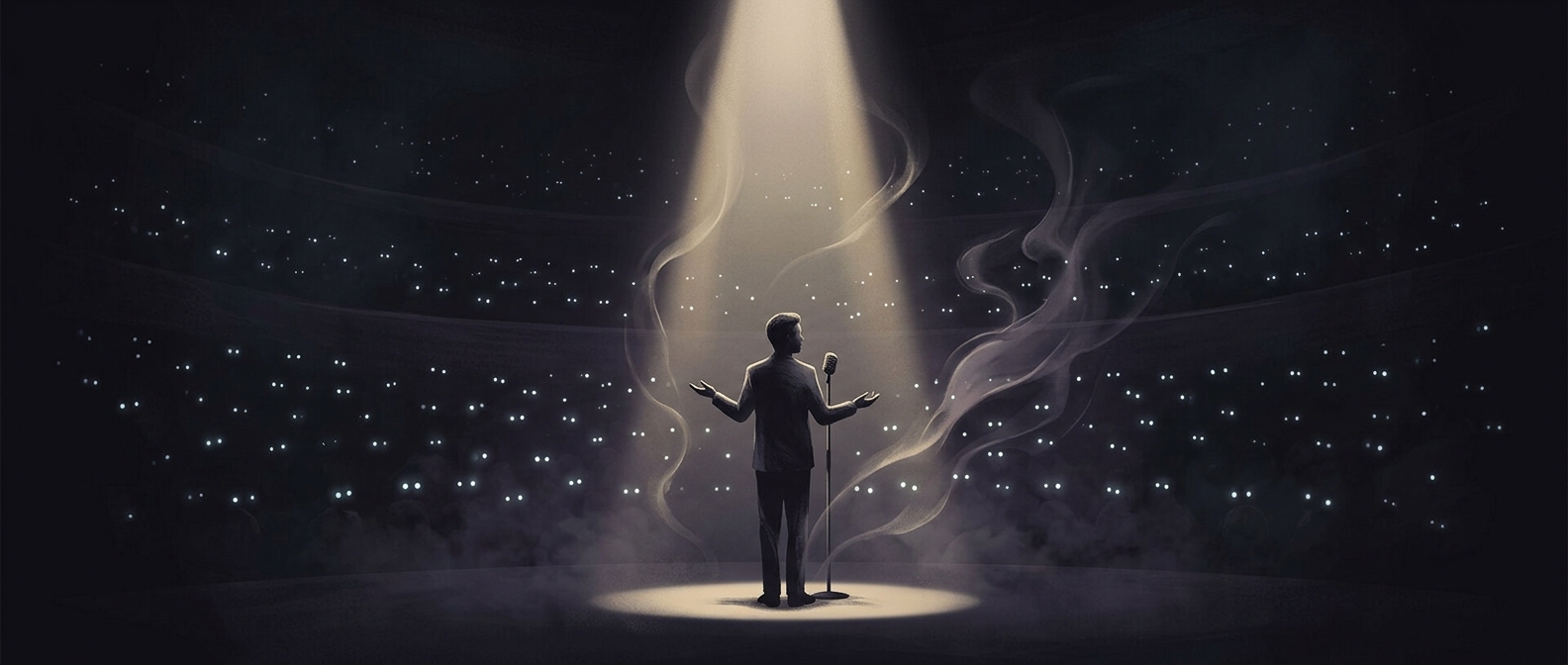
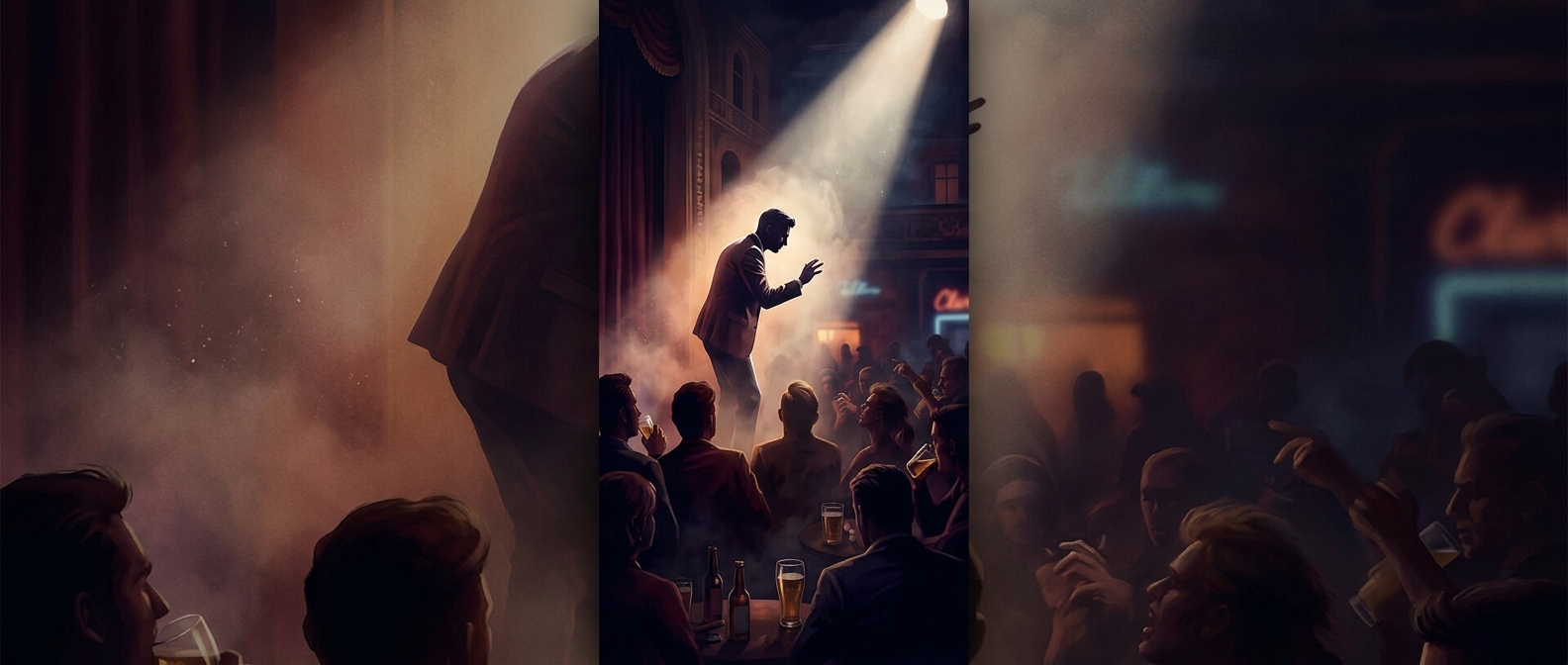
Stand-up’s public image often centers on a performer alone under a spotlight, turning a hostile room into a laughing one. That picture makes a difficult job look like a test of nerve: the comedian has no character, script partner, or edit to hide behind. A joke either lands in the room or it doesn’t, and the audience reacts immediately.
That immediacy is part of the appeal. Laughter is visible evidence that a performer has connected with strangers; a heckle creates a problem to solve in real time. When a comic answers it with a sharp line and wins the crowd back, the moment can look like effortless mastery. The image of danger and triumph is easier to celebrate than the long stretches of writing, rehearsal, and failed sets that make such a moment possible.
A live room is not a script
Alcohol can make some audience members louder or less inhibited, while a crowded room and late-night energy can make reactions harder to predict. A heckle may interrupt a joke, pull attention toward one person, or invite the audience to take sides. The comedian has to decide quickly whether to answer, ignore it, or move on—without letting the exchange consume the set.
That is a real performance skill, but it is not the whole craft. Comics also have to shape material so its setup is clear, its timing has room to work, and a disrupted performance can recover. The glamour comes from seeing the recovery; the work is learning how to make one possible. Each night’s uncertain response is also feedback, helping performers discover which lines connect and which need to change.