The production line behind Disney’s cartoons
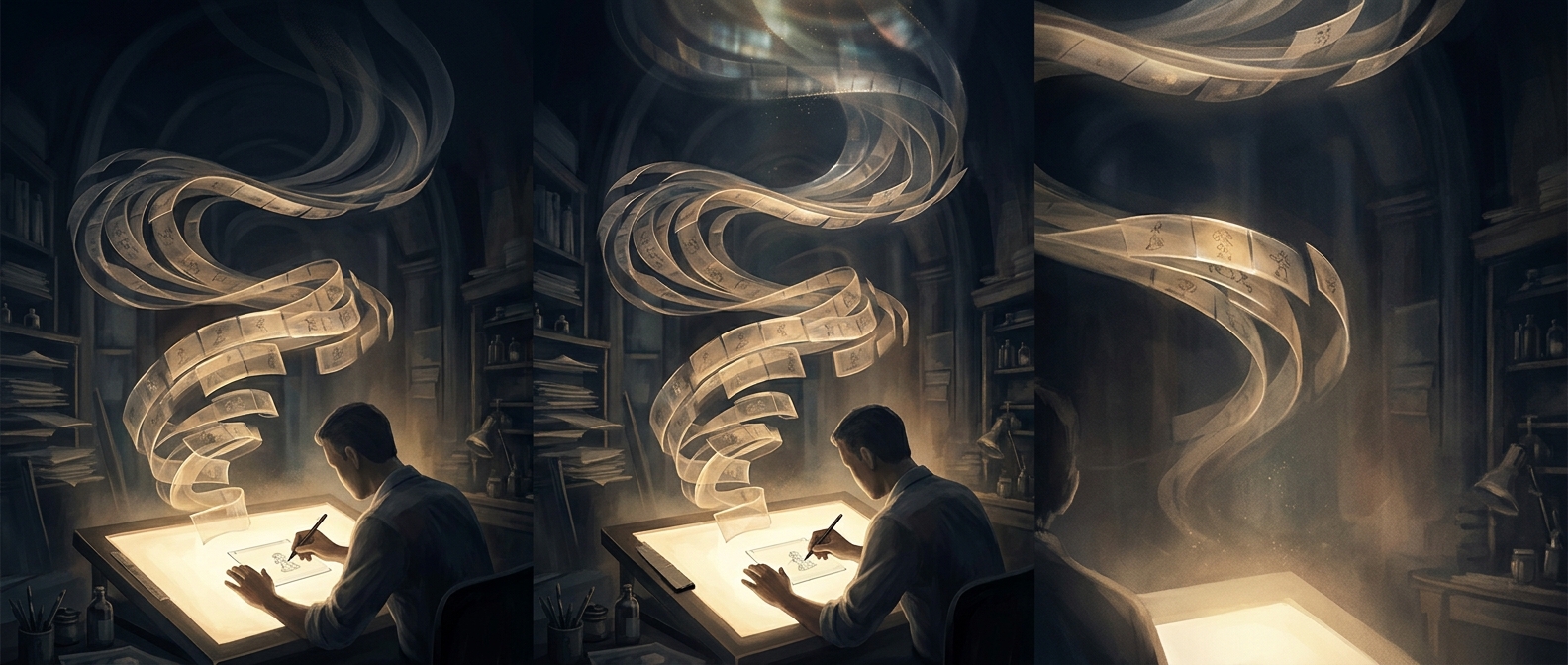
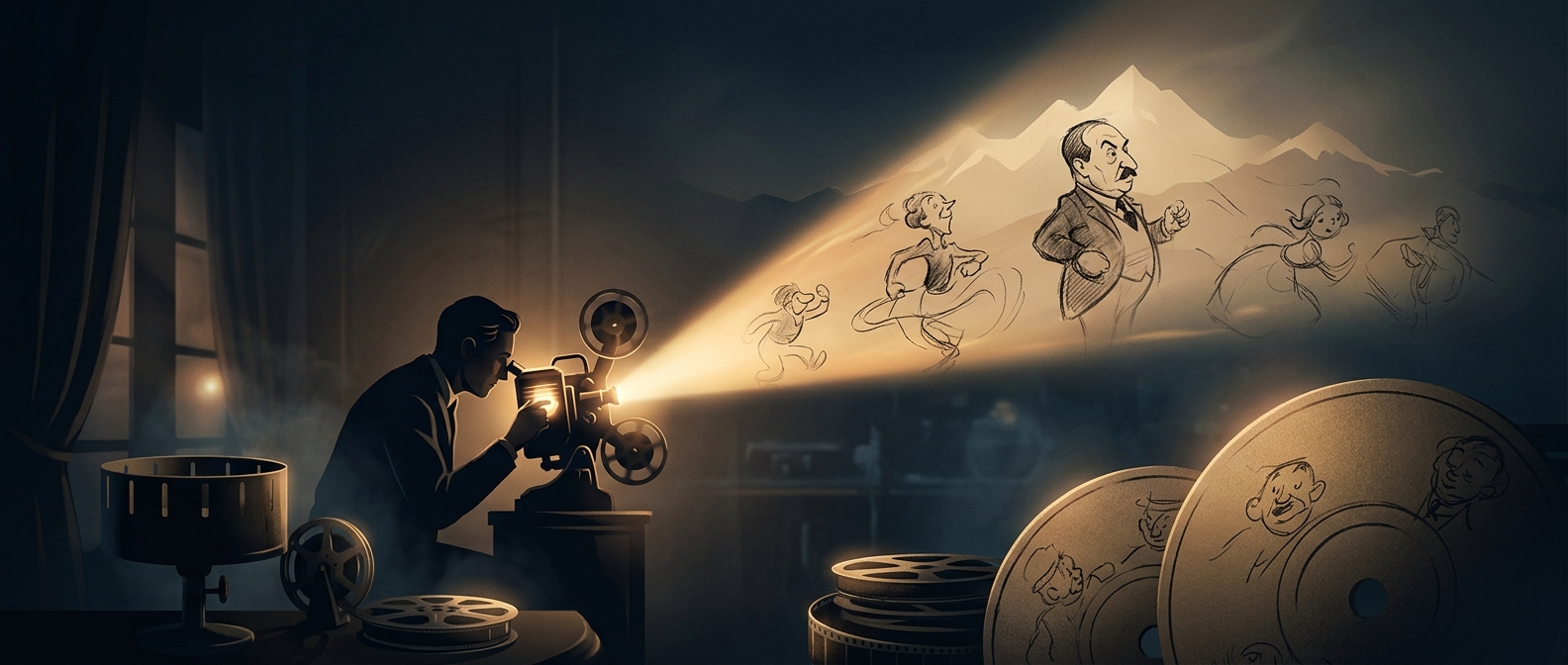
A hand-drawn cartoon was not made by one artist completing every image. In cel animation, artists drew poses and movements, then other workers transferred the drawings onto transparent sheets and painted them. Those sheets, called cels, could be layered over a background and photographed one frame at a time.
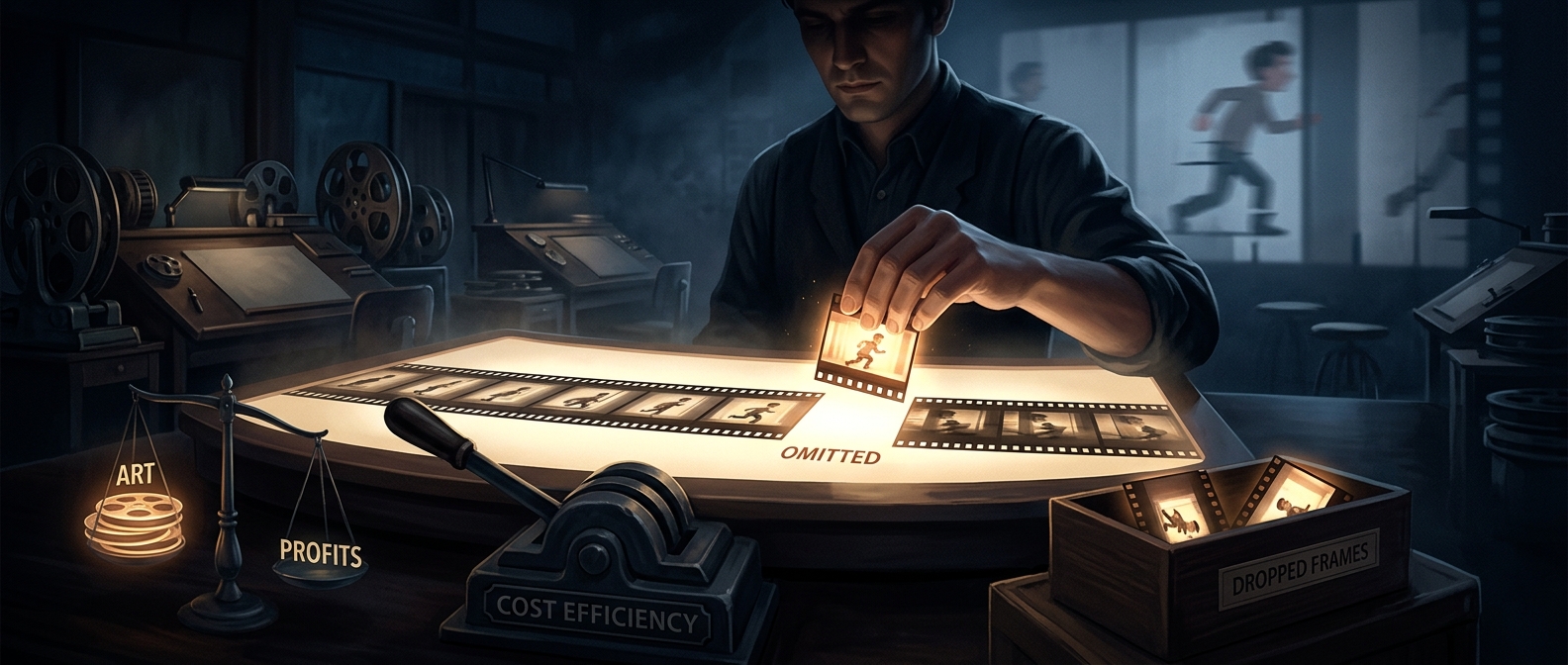
The work depended on precise coordination: a small shift in a character’s outline or color could make movement look uneven. Yet studios treated the stages differently. Drawing the characters and planning their motion counted as creative work; transferring and coloring the images were classified as production labor.
A division that shaped who could advance
Disney’s rejection letters to women made that hierarchy explicit. Women seeking artistic jobs were told they did not do the creative work involved in preparing cartoons for the screen, while the studio directed them toward ink and paint. The distinction was not simply about who could draw. It determined which jobs women could enter and which skills the studio recognized as a route into animation’s more influential roles.
Ink and paint workers were essential to finishing the images audiences saw, but the work was repetitive and tightly controlled. By keeping women in that department, the studio drew a boundary between making the animation and carrying out the detailed labor that turned drawings into finished frames. The cartoons’ authorship was built into the production system—and so was the unequal division of credit.