A dance move becomes durable through practice and rest
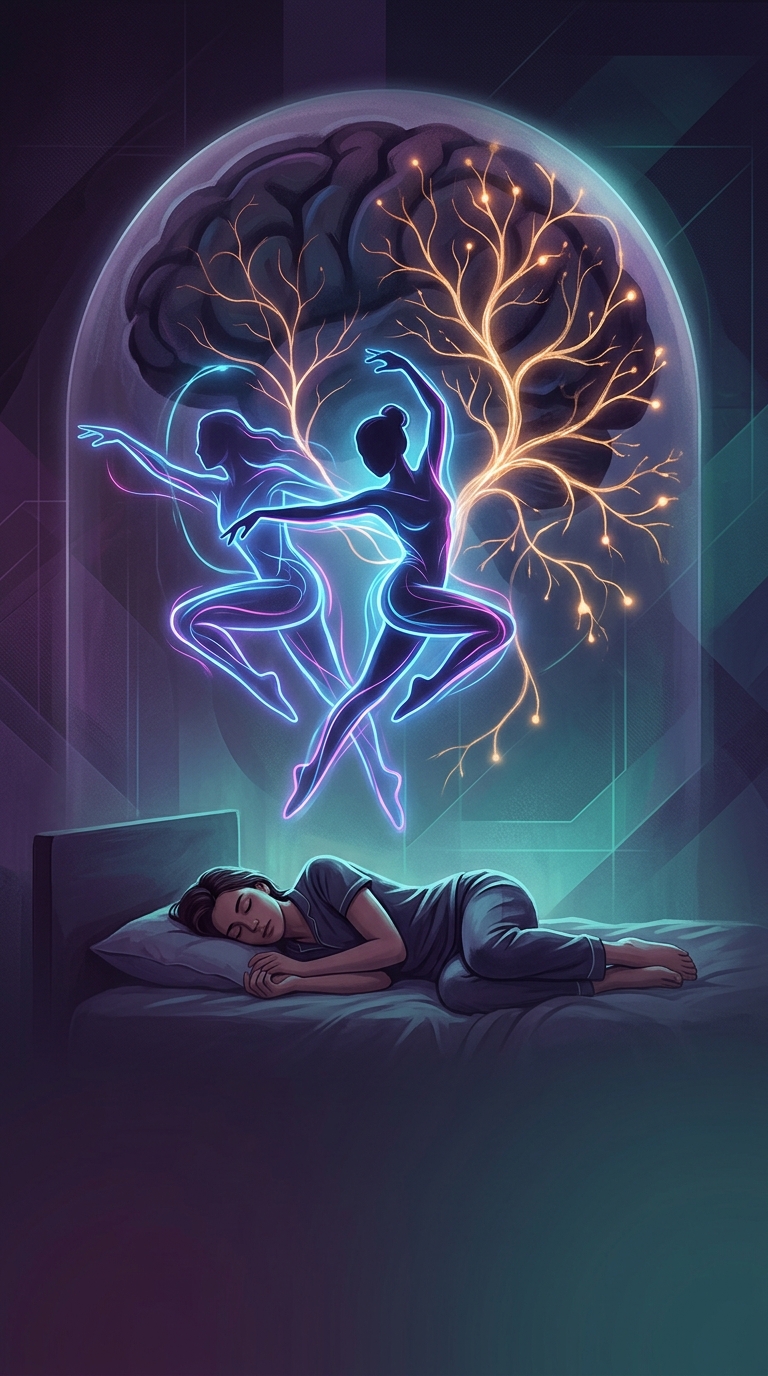
There usually isn’t one instant when a complex movement is permanently “wired” into the brain. Learning a dance involves building a motor memory: a pattern linking what you see and feel with the muscle commands that produce the next step. Early on, the sequence may require close attention. With repetition, parts of it become easier to perform without consciously planning each movement.
That change reflects the brain’s ability to adjust connections among nerve cells. When a movement is practiced, the circuits involved are activated together. Repeated, accurate practice can make the sequence more reliable—but a few repetitions do not guarantee a lasting skill, and the brain does not simply store a finished recording.
Why sleep and spaced practice matter
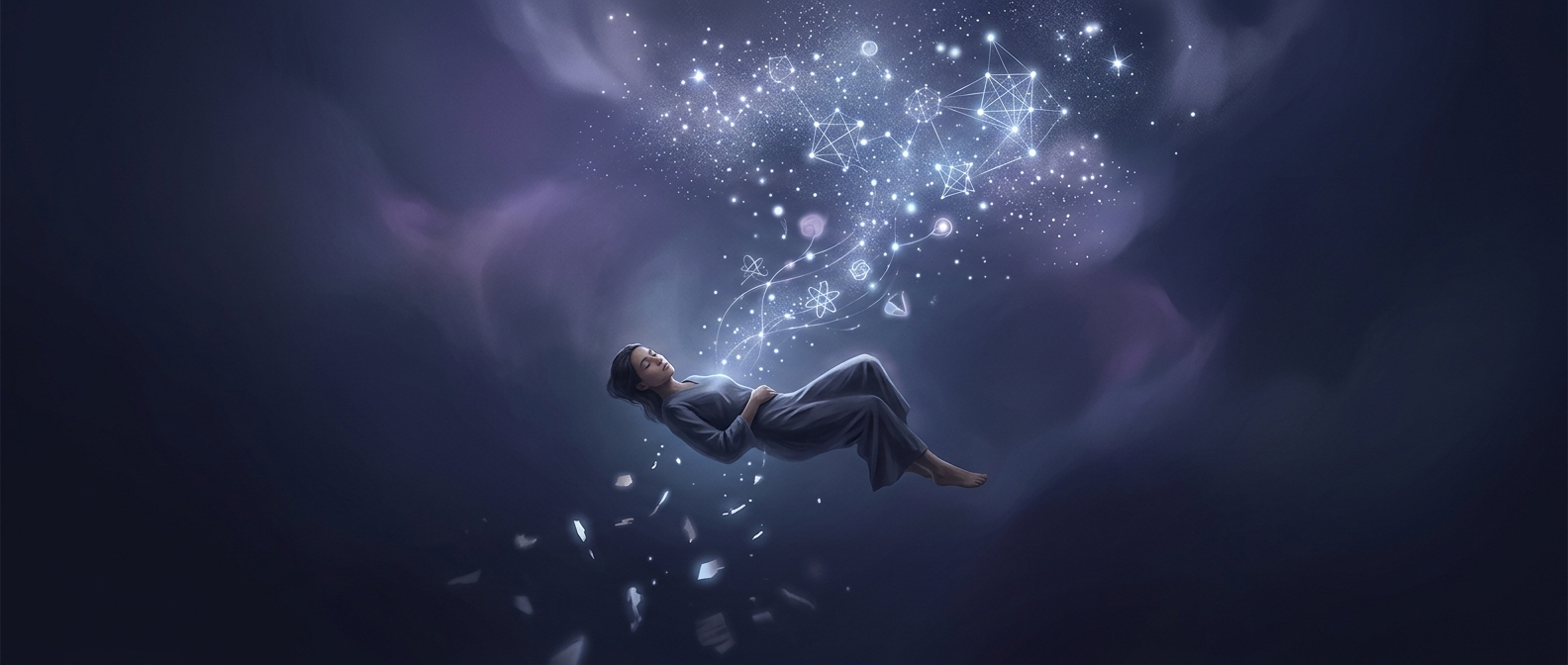
A practice session is only part of the process. Afterward, the brain continues working with what was learned. Sleep is associated with the stabilization and refinement of memories, including movement skills; it can help make a practiced sequence more consistent the next time you try it. This is one reason a dance may feel smoother after a break, even when you did not rehearse during that time.
Spacing practice across sessions gives the brain repeated chances to retrieve and refine the sequence. By contrast, running through a routine many times while tired can reinforce mistakes as well as correct steps. Helpful practice includes focused repetitions, breaks, and attempts to perform the movement from memory rather than merely following along.
“Permanent” is not the same as unchangeable
A well-practiced dance can remain accessible for a long time, but motor memories can still weaken, become rusty, or be reshaped by new practice. The useful milestone is not a single moment of permanent wiring; it is when the movements remain dependable after time away. If you can return later and recover the sequence with little effort, the skill has become a durable part of your movement memory.