How fly ash becomes a stone-like binder
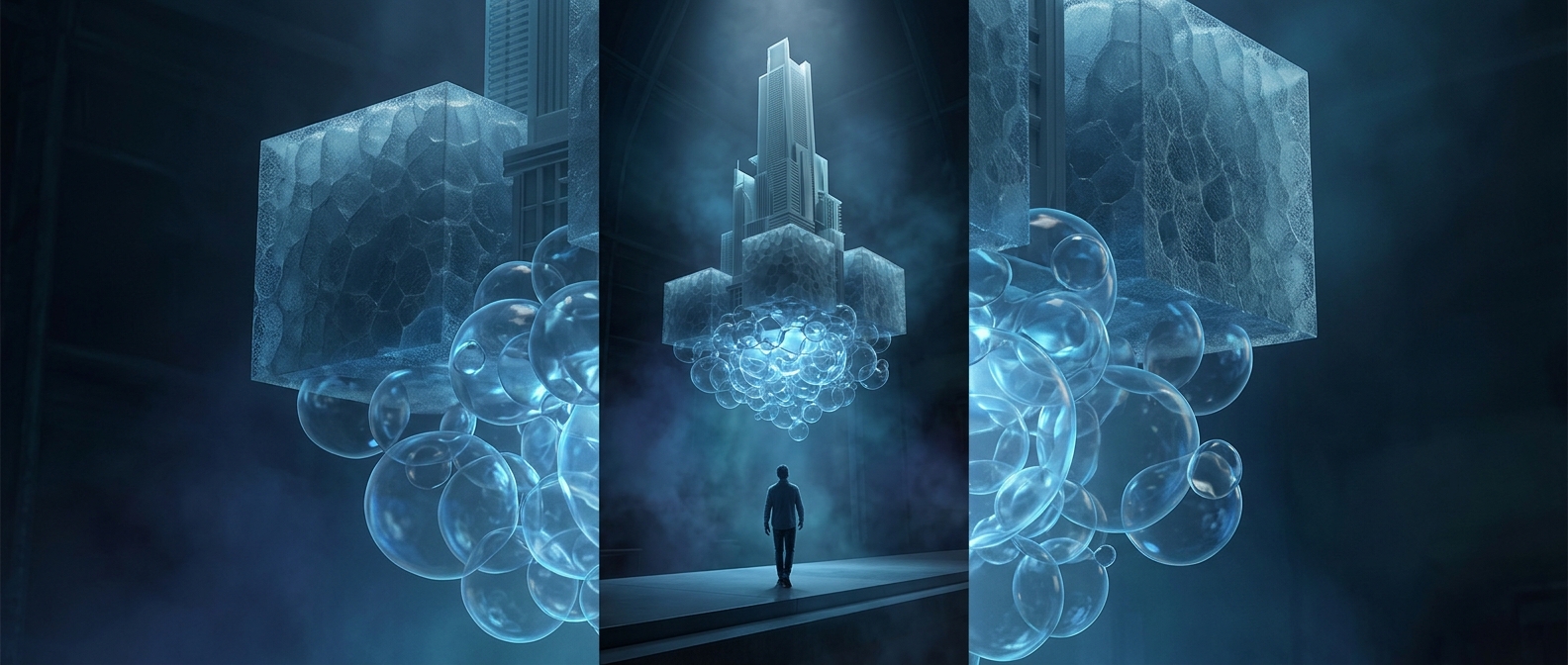
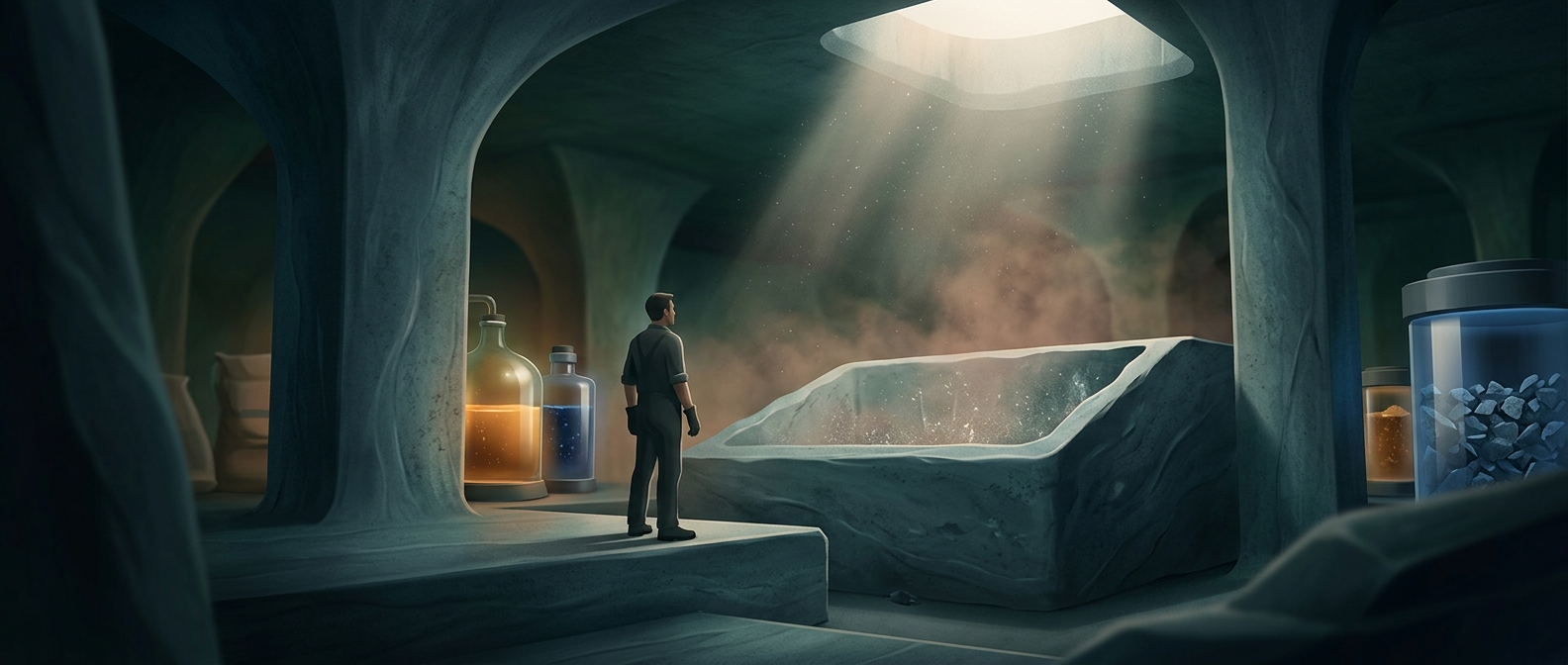
In ordinary concrete, Portland cement is the glue: when mixed with water, its minerals react and harden around sand and gravel. Geopolymer concrete uses a different route. Fly ash—a fine powder left after burning coal—contains silica and alumina, compounds built from silicon and aluminum. An alkaline activator, a strongly basic liquid or solution, helps those ingredients dissolve and reconnect into a rigid network. That network binds the aggregate into a solid material without Portland cement.
The chemistry shapes the performance
Because the binder forms through a different reaction, geopolymer concrete does not behave exactly like conventional concrete. Some mixes gain strength quickly, which can shorten the wait before a structure is ready for use. The linked mineral network can also be less vulnerable to acids than Portland-cement concrete, whose binder can be attacked and weakened by acidic exposure.
Those advantages depend on the particular mix and curing conditions; “geopolymer” covers a family of formulations, not one recipe. The source fly ash, activator, moisture, and temperature all affect how the material sets and performs.
A different binder, with practical tradeoffs
Replacing Portland cement can reduce reliance on a binder whose manufacture releases substantial carbon dioxide. But geopolymer concrete is not simply fly ash plus water: alkaline activators must be handled carefully, and suitable industrial by-products and production conditions are not available everywhere.
The key shift is molecular: instead of relying on cement’s hydration reactions, the material hardens as dissolved silicon- and aluminum-rich ingredients assemble into a connected solid. That change can make a useful difference where early strength or resistance to acidic environments matters.