How a little plastic becomes a bulky block
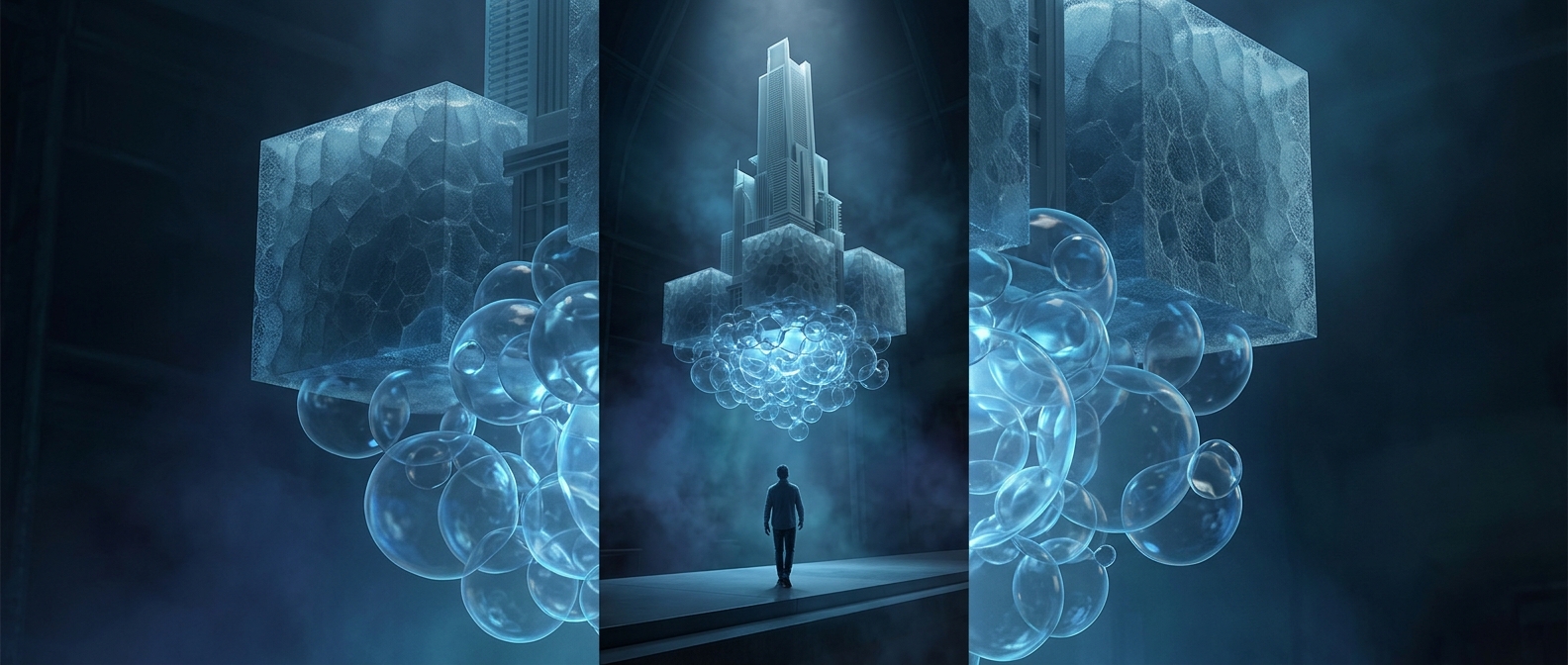
Expanded polystyrene begins as small plastic beads. A blowing agent—a substance that forms gas—swells the beads when they are heated. The expanded beads are then pressed together in a mold, where they fuse into a lightweight shape. The result is mostly tiny gas-filled spaces held apart by a thin, rigid plastic framework.
The “98% gas” figure describes volume, not weight: nearly all the space is occupied by gas, while the polystyrene forms the solid structure around it. That distinction explains how a large packaging insert can contain relatively little plastic.
Why the bubbles matter
Gas trapped in small cells does not move around easily, so it carries heat less effectively than a freely circulating fluid. The cells therefore help slow heat transfer, while the plastic walls give the foam its shape. When packaging is squeezed, that cellular structure can also deform and absorb some of the force before it reaches the object inside.
The same structure creates a practical tradeoff: foam can protect a large, delicate item without adding much shipping weight, but its bulky volume makes it awkward to collect and transport for recycling. A package that looks almost entirely like plastic is, by volume, mostly trapped gas.