The bicycle changes the rider’s job
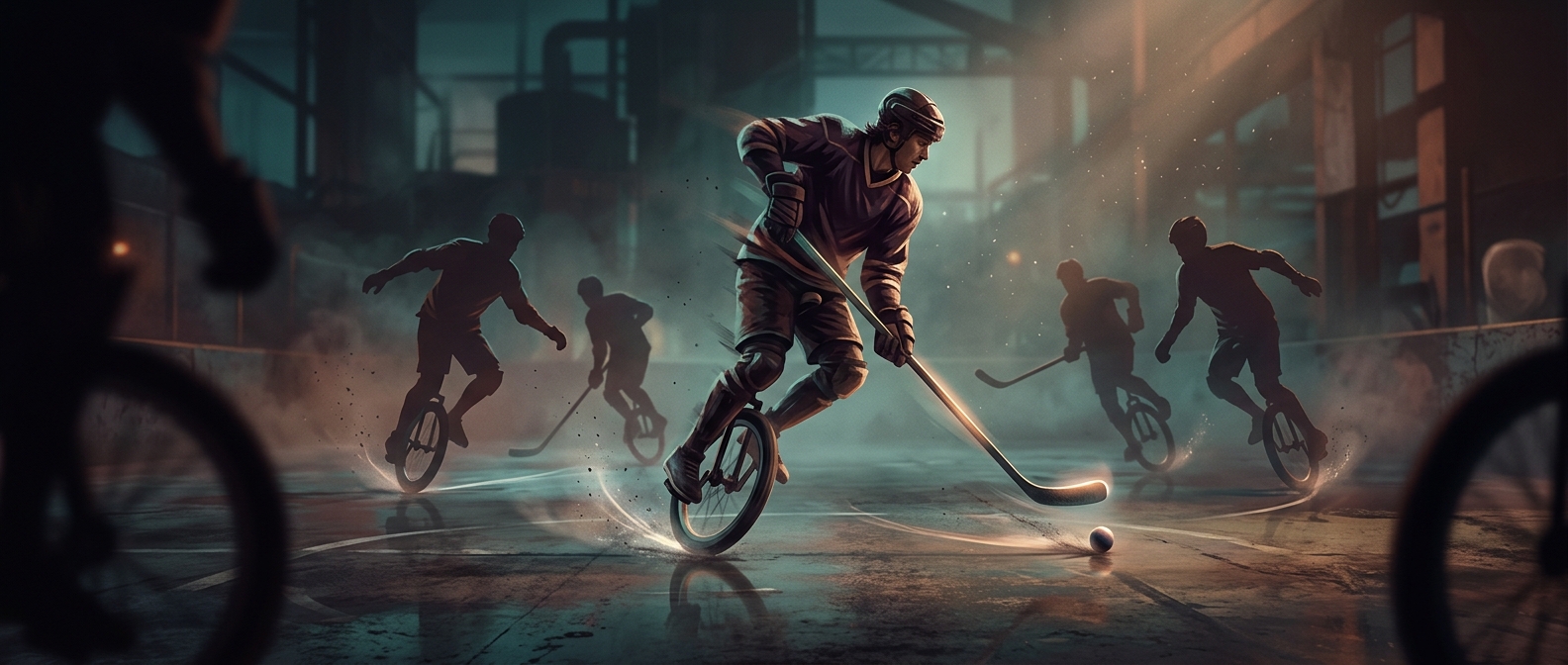
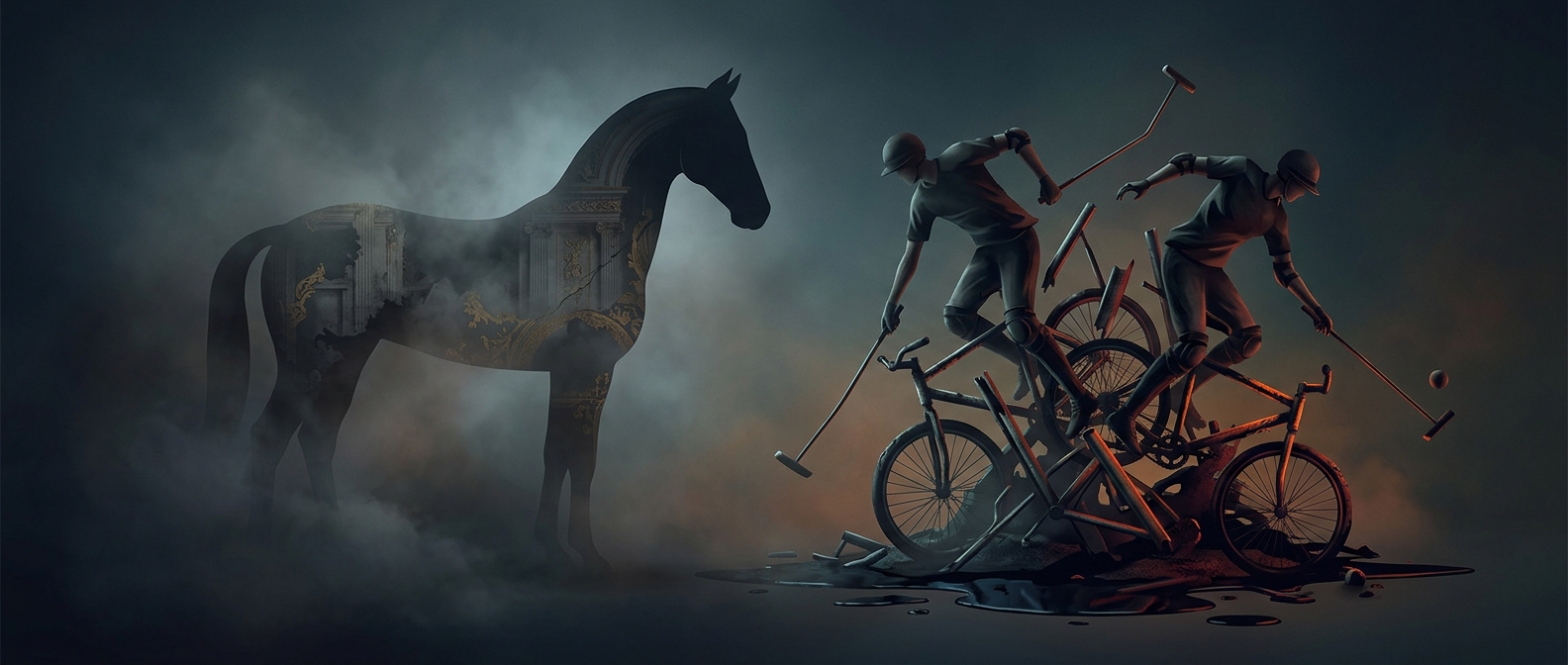
On horseback, a player directs an animal that supplies its own power and balance. In bicycle polo, the player has to provide both: pedaling drives the bicycle, while steering and balance keep it upright. Add a mallet in one hand, and every turn or reach becomes a small coordination problem. The bike is not simply a cheaper mount; it makes the player’s body part of the propulsion system.
A tradeoff between control and stability
A bicycle can change direction quickly, which helps a player pursue the ball or adjust position in a tight contest. But a horse can keep moving under its rider without the rider pedaling, while a bicycle loses momentum when its wheels slow. At low speed, the cyclist must keep balancing, even while trying to control the ball. That makes timing important: a player may need to build speed before making a play, then steer carefully while reaching with the mallet.
The equipment also changes what it takes to set up a match. A bicycle can be ridden or transported without arranging for an animal’s feed, housing, and care. The sport becomes easier to bring to a field because its essential transport is also the player’s equipment.