From laps to a contest for position
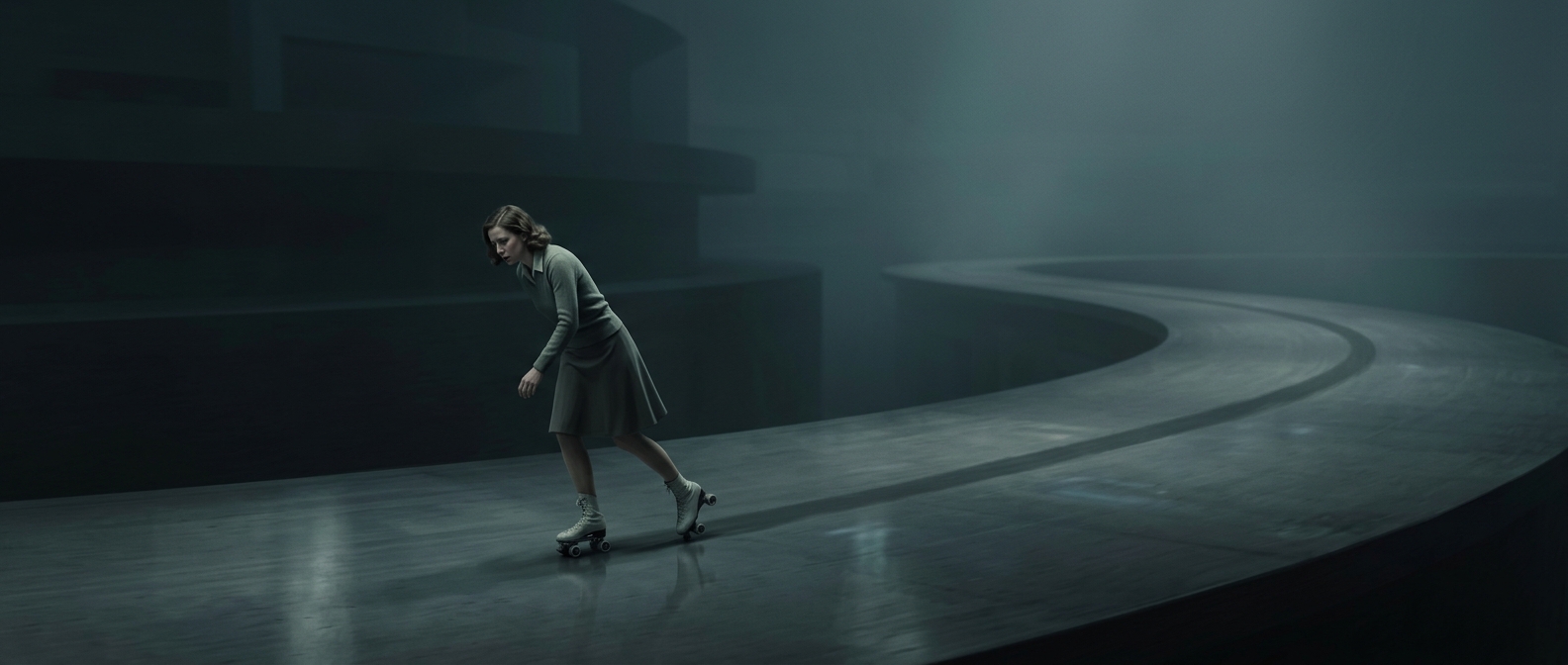
An endurance race gives spectators a simple question to follow: who can keep going, and who will finish first? Early roller derby built its drama around skaters circling a track for long distances. But lap after lap can make a race feel repetitive, especially when the leaders’ progress is hard to distinguish from the motion of the pack.
Contact changed what viewers could read at a glance. A skater slowing another, slipping past a blocker, or getting forced out of position created immediate conflict—something spectators could see and react to without waiting for the finish.
Contact became part of the show
As organizers leaned into those moments, collisions and physical struggles moved from incidental hazards toward the sport’s central spectacle. The track was no longer just a route for measuring endurance; it became a confined space where skaters competed for room and momentum. A race’s steady accumulation of laps gave way to more visible, moment-by-moment contests.
That shift helps explain roller derby’s unusual character: it retained the oval track and the motion of a race, but its appeal increasingly came from the clashes within the pack. The spectacle emerged when the question changed from who could last longest to who could make space—and keep it.