How liquid oil becomes spreadable
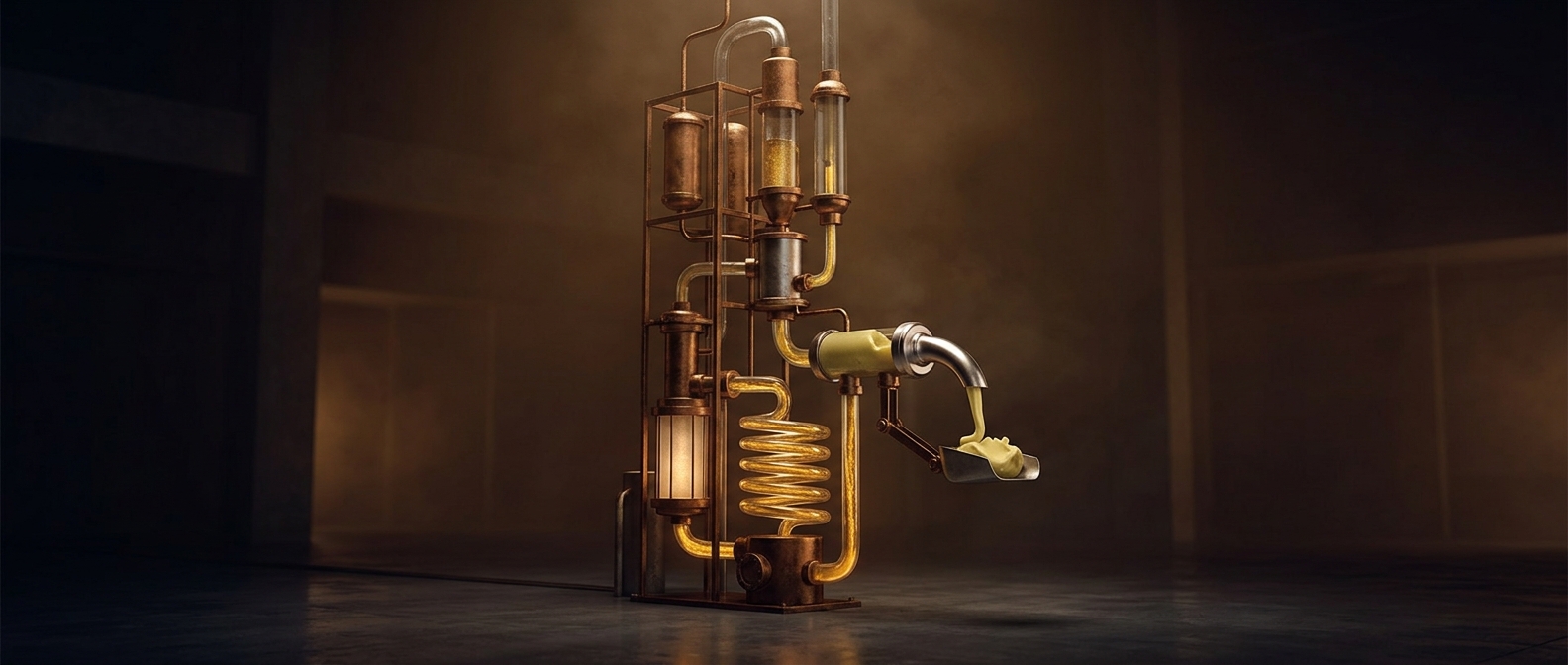
Most vegetable oils stay liquid at room temperature because many of their fat molecules have shapes that prevent them from packing tightly together. Margarine makers change the blend of fats so some form tiny crystals at room temperature. Those crystals create a network that holds the rest of the fat in place, giving the product a soft, spreadable structure.
The fat is also combined with water and mixed into a stable emulsion: tiny droplets of water are dispersed throughout the fat, rather than separating into a watery layer. The proportions and mixing help determine whether the finished margarine is firm enough for a stick or soft enough for a tub.
Several routes to the right texture
One traditional method is hydrogenation, which adds hydrogen to some of the unsaturated fat molecules. This makes them pack more closely and raises the temperature at which the fat firms up. Partial hydrogenation can also create trans fats, so it is not the only way to make a solid spread.
Manufacturers may instead blend oils with fats that are naturally firmer, separate oil fractions with different melting points, or rearrange fat molecules through a process called interesterification. The specific approach varies by product; the goal is to build a fat structure that holds together when cool but softens readily on bread.
That structure also explains why margarine can behave differently from liquid cooking oil even when both begin with plant oils: processing changes how the fats pack and melt, while the water droplets and fat crystals give the spread its familiar body.