Malaria’s first act takes place in the liver
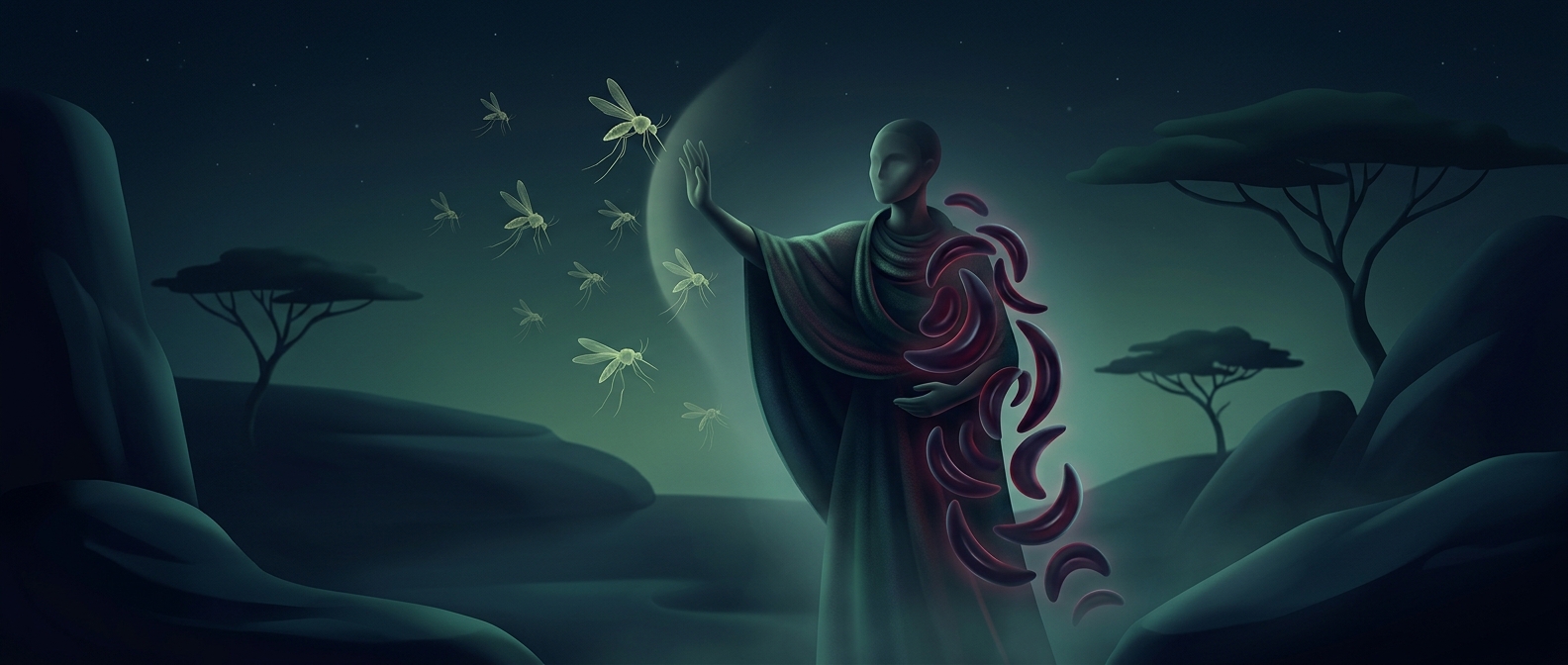
An infected mosquito injects malaria parasites into a person as it feeds. These early forms, called sporozoites, travel through the bloodstream and enter liver cells. They do not begin by invading red blood cells: first, they use liver cells as a hidden staging ground.
One parasite becomes many
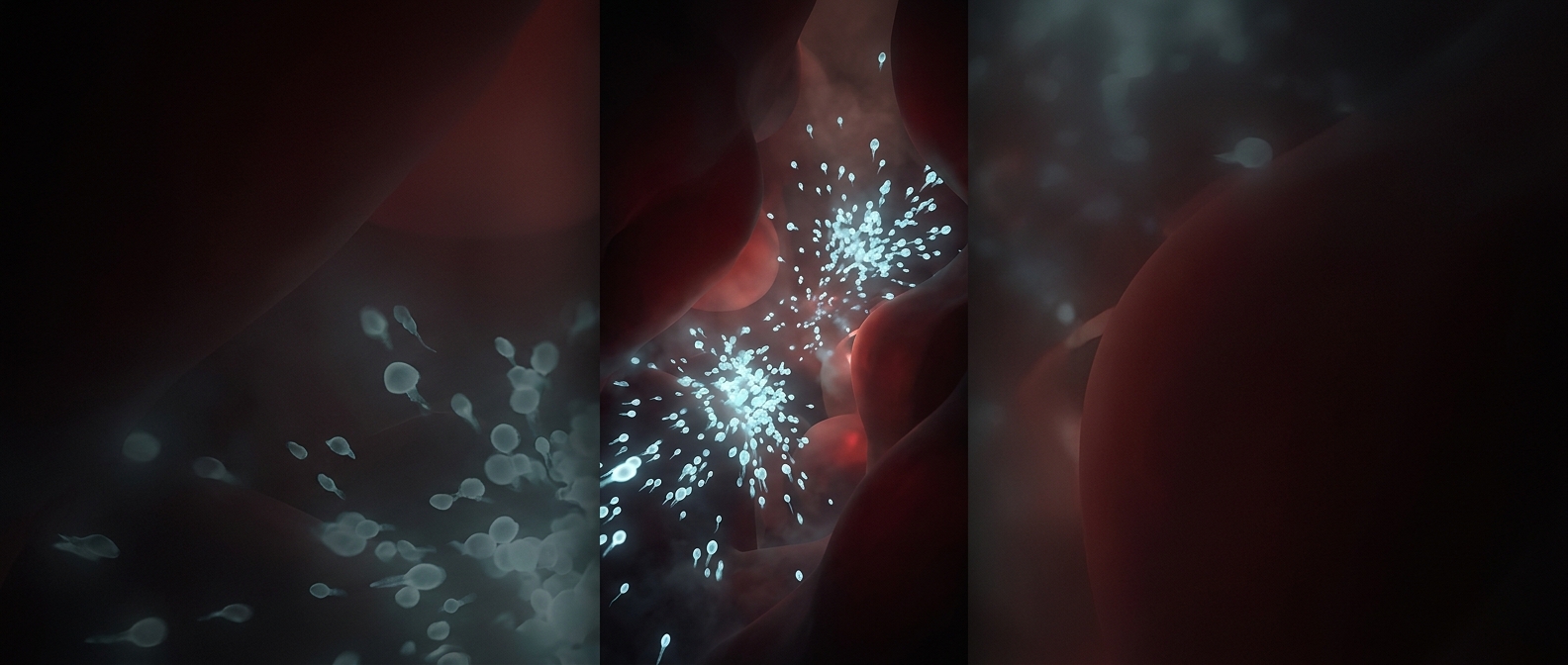
Inside a liver cell, a parasite grows and divides repeatedly, producing a packed cluster of daughter parasites. This process is called asexual replication: one parasite makes many copies without needing to mate. The infected cell eventually breaks open, releasing the copies—now called merozoites—into the blood.
That change of location also changes the parasite’s target. Merozoites invade red blood cells, where they multiply again. When those cells rupture, they release more parasites to infect additional red blood cells. The repeated cycles can damage blood cells and contribute to malaria’s fever and other symptoms.
A hidden stage with lasting consequences
The liver phase can pass without obvious illness, while the later blood phase is responsible for much of the disease people recognize as malaria. Some malaria species can also leave dormant forms in the liver that reactivate later, causing illness to return after the initial infection. So the liver is not merely a passageway: it is where the infection quietly expands before entering the blood, and, in some cases, where it can lie in wait.