A fashionable stimulant in a glass
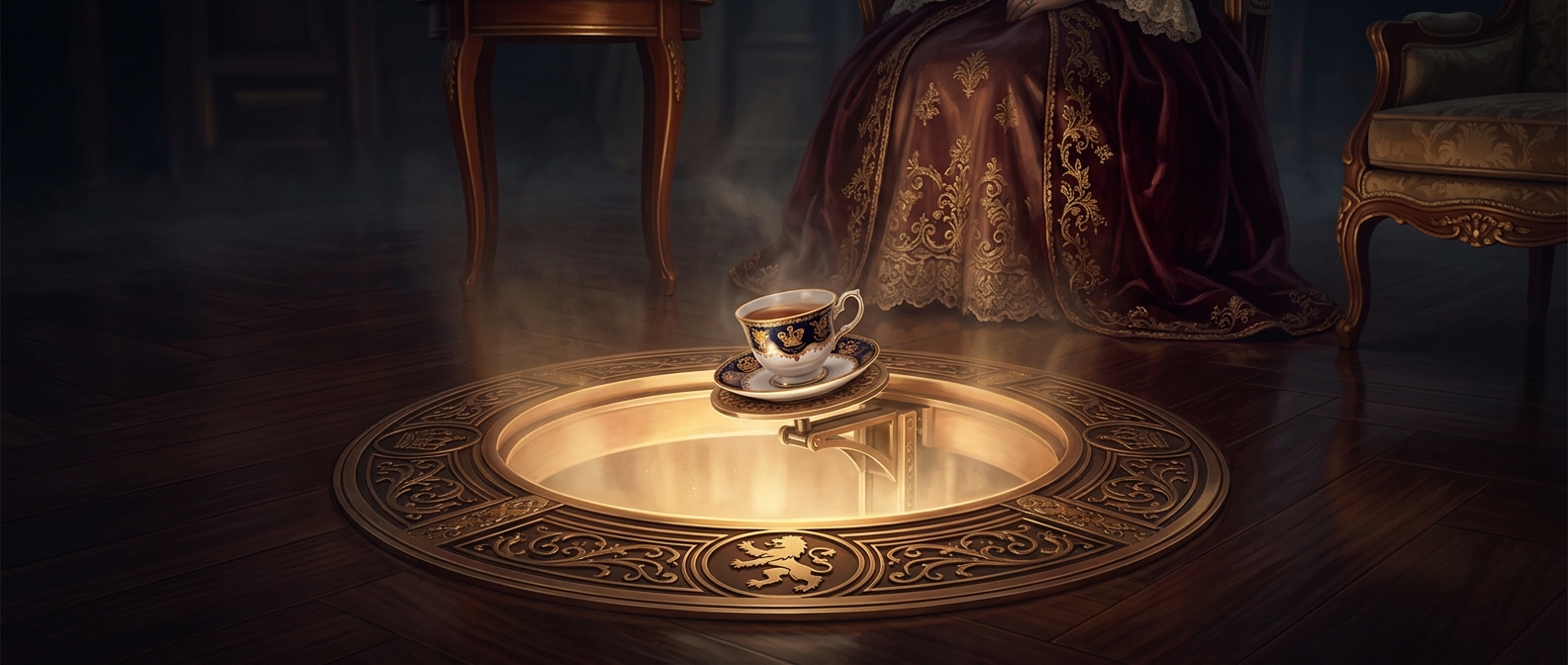
The reported gift belongs to a time when coca products could be presented as fashionable tonics rather than treated as illicit drugs. Vin Mariani, the coca wine associated with Queen Victoria in later accounts, was made by steeping coca leaves in wine. The alcohol drew out some of the leaves’ active compounds, including cocaine, producing a drink that combined wine with a stimulant.
That made the product easy to frame as both pleasurable and restorative. Coca products were promoted in the nineteenth century for a range of complaints, and a bottle of wine could pass as a genteel refreshment in a way that a modern drug label would not. “Tonic” was a broad marketing description, not a guarantee of safety.
Why the gum story stands out
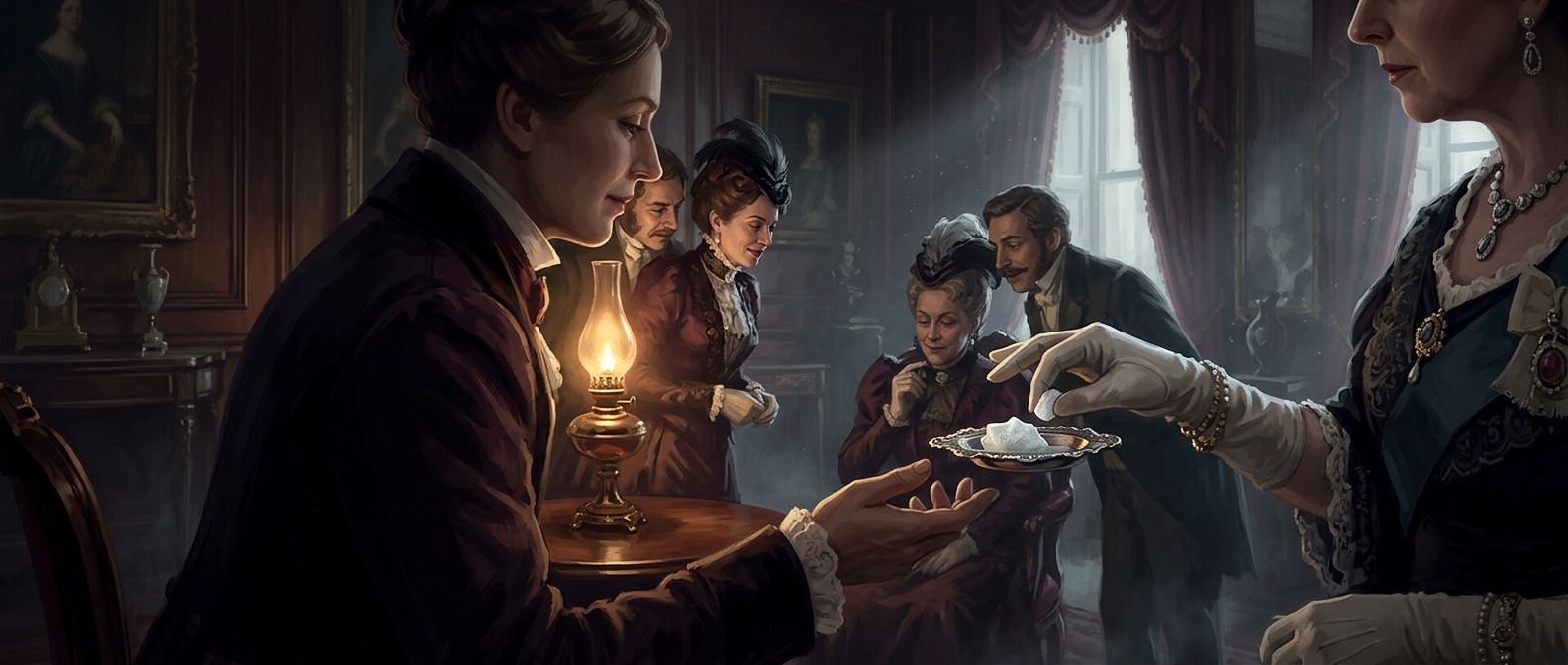
Cocaine-infused chewing gum sounds more startling because it puts the drug in an everyday treat. The report describes a different delivery method from coca wine: chewing gum would release its ingredients gradually as someone chewed, rather than serving them dissolved in a drink. The account also places the gum among guests, turning it into a social novelty as well as a personal indulgence.
The contrast captures a change in the meaning of familiar products. Ingredients once sold openly in drinks and sweets later became associated with a tightly controlled drug. In this story, the striking detail is not simply that cocaine appeared at a royal gathering, but that it could reportedly arrive disguised as hospitality—poured into a glass or offered as chewing gum.