Why a Pass May Not Include a Seat
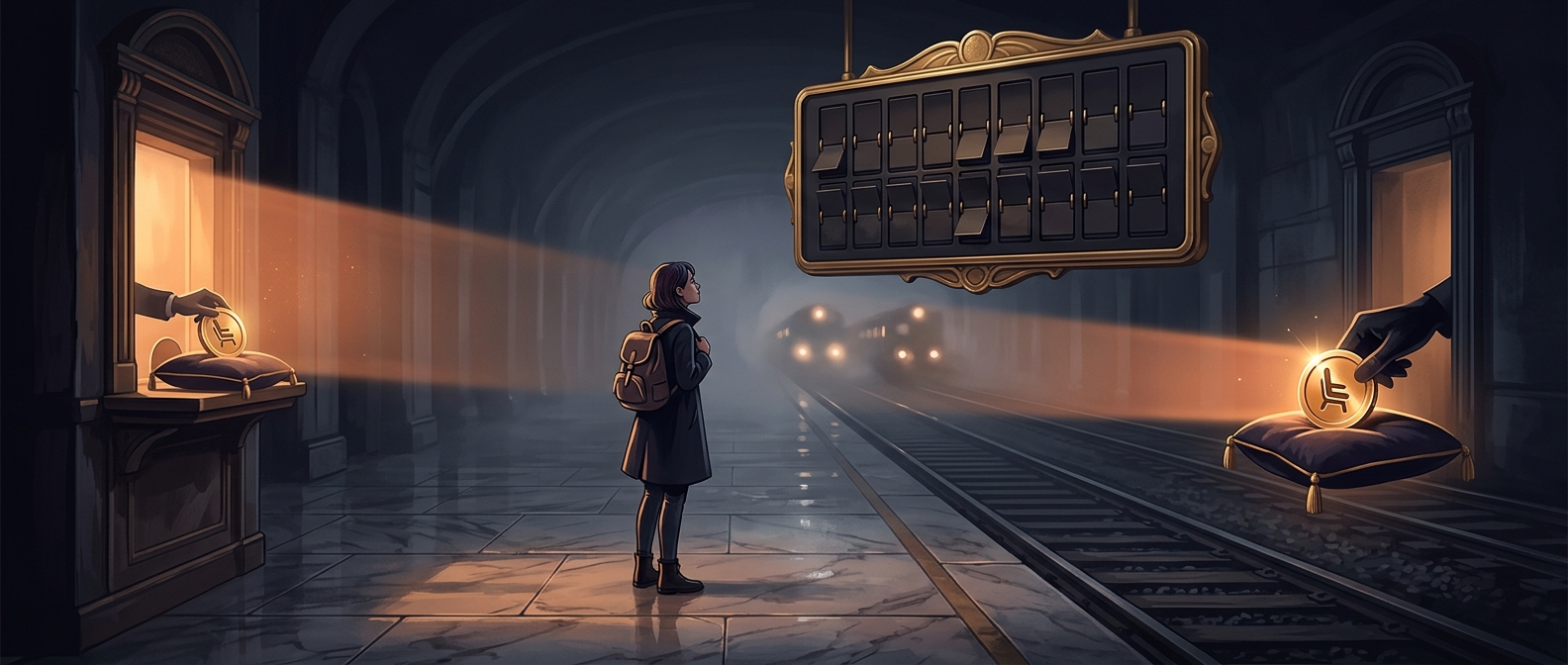
A multi-country rail pass generally covers the travel fare, but it does not always guarantee a place on a particular train. On routes where reservations are mandatory, the pass holder must also reserve a seat, sometimes for an additional fee. The reservation is a separate part of the trip: it links a passenger to a specific departure and seat, while the pass establishes eligibility to travel.
That distinction matters because some trains limit how many places pass holders can reserve. A train can still have seats for passengers buying ordinary tickets even when its pass-reservation allotment is gone. So having a valid pass does not necessarily mean you can board the departure you want.
The Tradeoff for Travelers
Reservation rules vary by train, not simply by country. A pass may be enough on one service, while a fast or especially popular train on the same journey requires a paid booking. Routes with mandatory reservations can therefore add both a fee and a planning step, particularly when traveling at busy times.
Before committing to a connection, check whether each train requires a reservation, whether pass-holder seats are still available, and how much the booking costs. If a preferred departure is full, another train or a route with fewer reservation requirements may work. The pass covers the right to travel; the reservation can determine whether there is room on that specific train.