Why a dartboard can take repeated hits
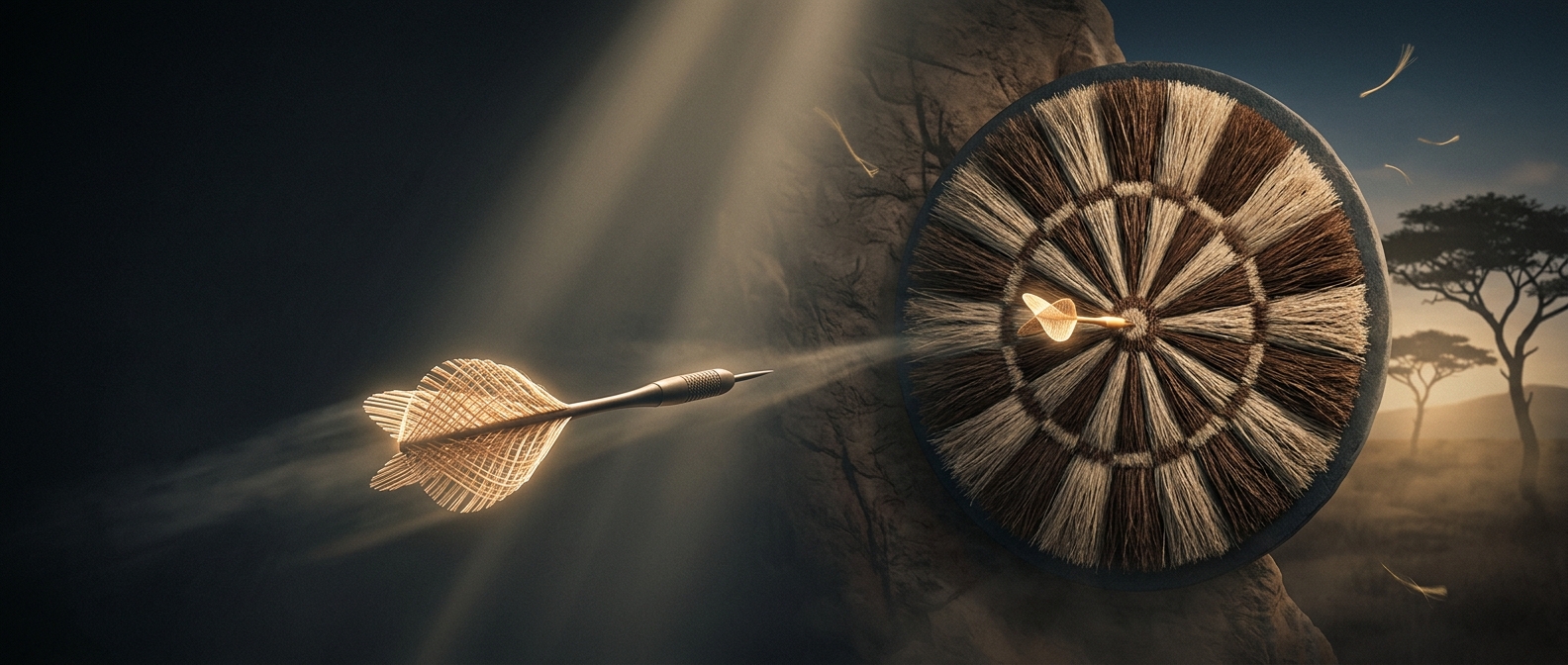
A modern bristle dartboard is usually made from sisal, a strong fiber harvested from the leaves of the sisal plant, a type of agave. The name “bristle” can make the board sound like it is built from animal hair, but it refers to the stiff, springy plant fibers used in its construction.
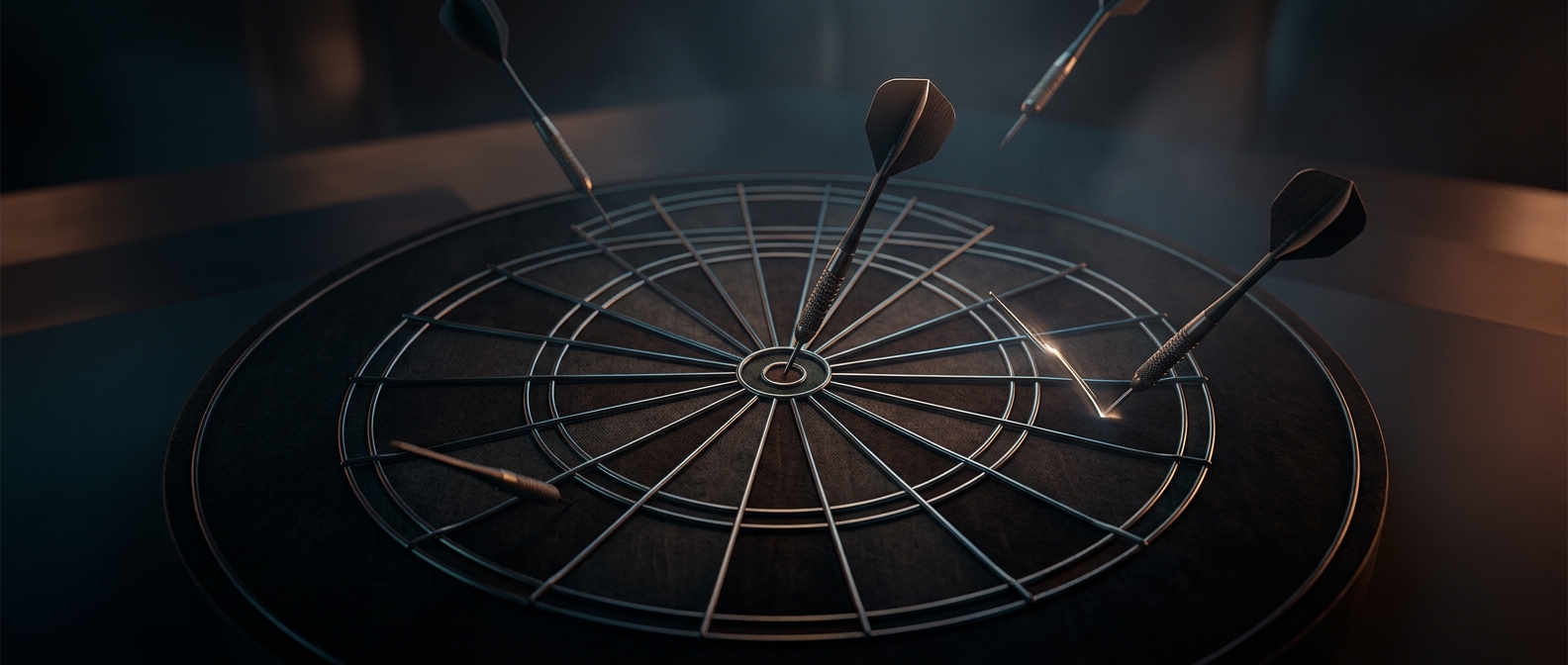
Manufacturers bundle the fibers and compress them into a dense surface. When a dart enters, its point parts the fibers rather than punching out a round plug of material. After the dart is removed, the fibers shift back toward one another, making the mark far less noticeable than a hole in wood or paper would be.
The board is designed to spread out wear
That recovery is useful, but it is not magic: repeated hits in one spot can still damage the fibers. Many boards can be rotated so players can move worn scoring areas away from the most-used positions. The combination of a tightly packed surface and movable wear zones lets a board endure far more play than a target that simply loses a piece of material with every throw.