What “Aversion” Means in Astrology
In traditional astrology, a planet is said to be in aversion to another when the zodiac signs they occupy do not form one of the system’s recognized aspects. An aspect is a geometric relationship between signs—such as a square or trine—that astrologers interpret as allowing the planets to “see” or relate to one another.
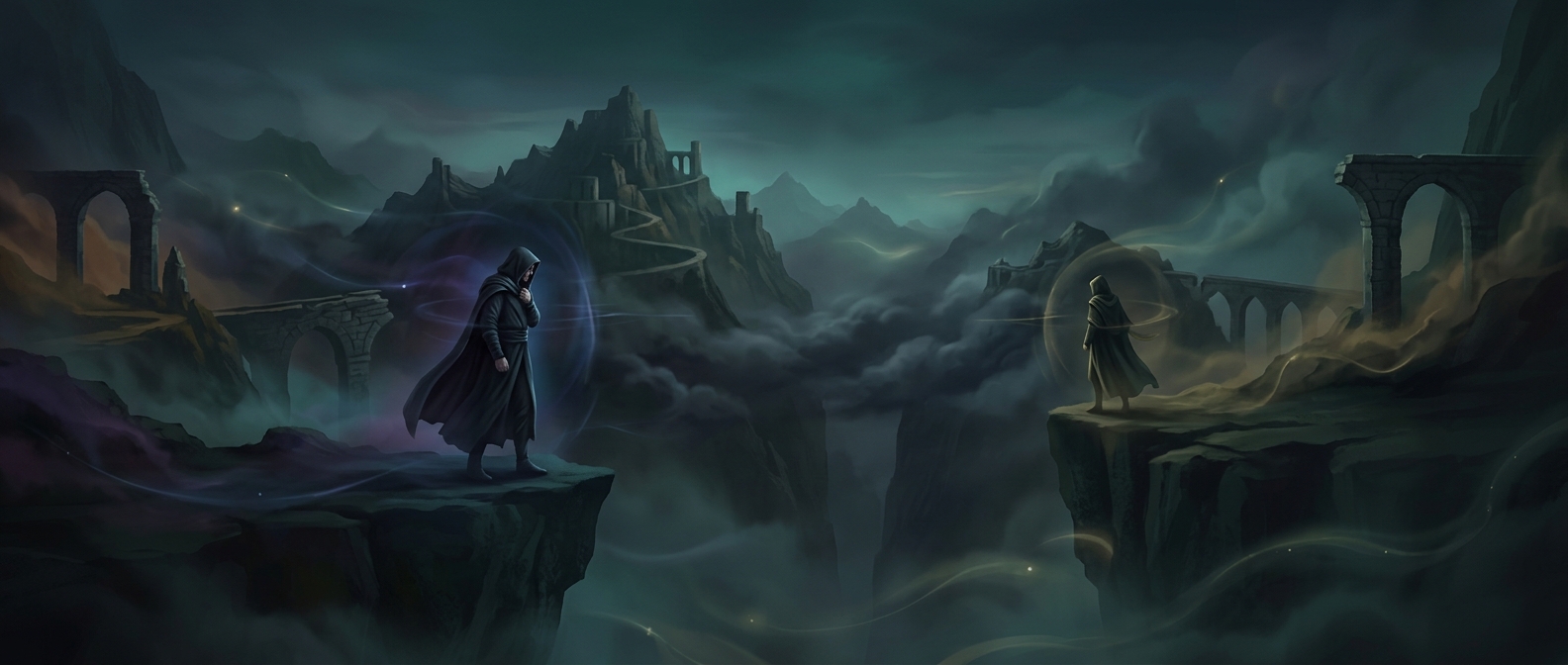
The metaphor comes from the layout of the zodiac. Signs that are two or six signs apart do not make the traditional major aspects. Their planets are therefore described as unable to see each other: there is no direct astrological line connecting their concerns.
A Symbolic Blind Spot
This does not mean that people or events represented by those planets literally cannot interact. It is a way of reading a chart. Within that framework, aversion suggests that two parts of life may have trouble recognizing, coordinating with, or directly influencing each other. Their connection may be indirect, or may require another planet that aspects both to bring them together.
The idea is useful because it treats absence as meaningful. A chart’s relationships are not only the connections astrologers identify; a missing connection can also describe a blind spot. That interpretation belongs to astrology’s symbolic tradition, not to a demonstrated physical mechanism.