Why a scar can be smooth and bare
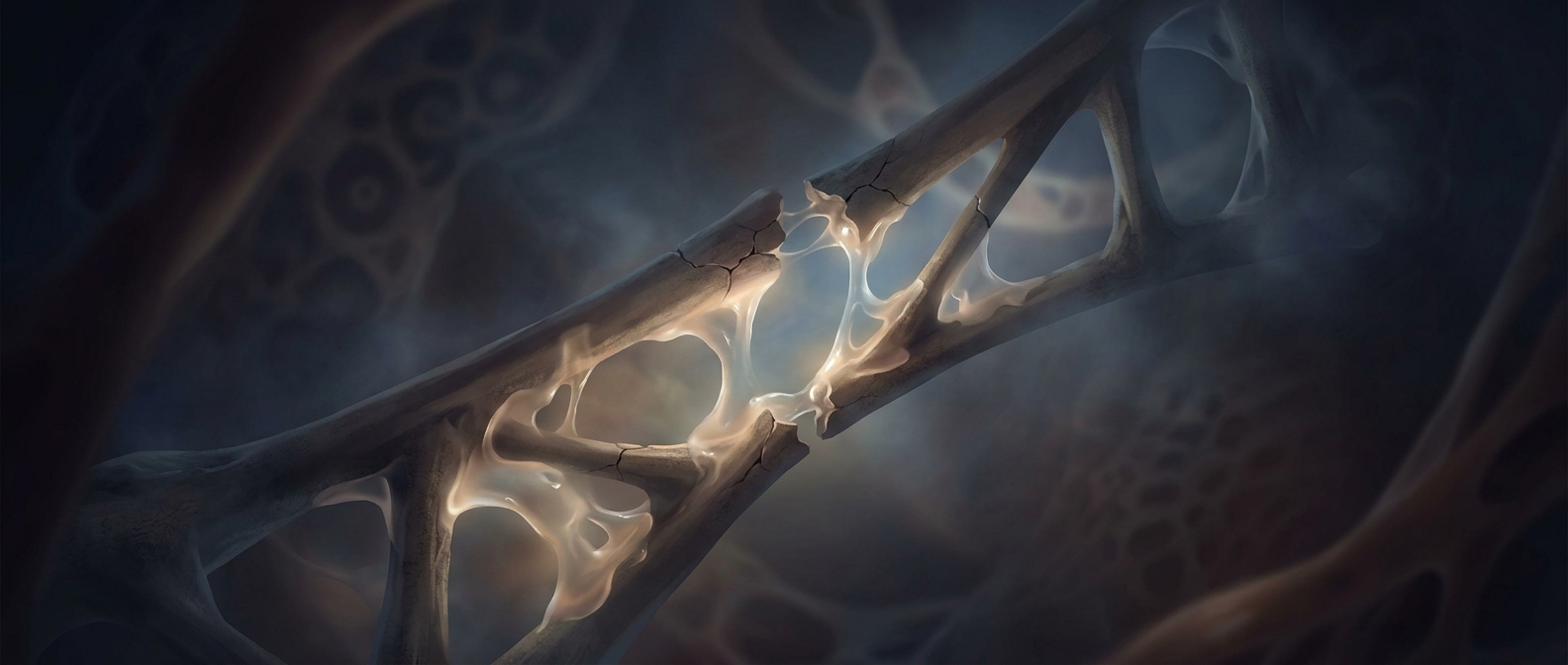
A wound does not simply replace every part of skin in its original arrangement. When damage reaches the deeper skin, the body closes the gap quickly by producing collagen, a strong structural protein. The resulting scar helps restore a protective barrier, but its tightly organized repair tissue is not a full rebuild of the original skin.
The structures that do not return
Hair follicles and sweat glands are epidermal appendages: structures that begin in the epidermis, the skin’s outer layer, and extend into deeper tissue. They are complex, branching units rather than surface features the body can easily redraw. In a substantial wound, the cells and supporting signals needed to reconstruct them may be destroyed. Repair then favors sealing and strengthening the area over recreating those specialized structures.
That difference explains the contrast you can see and feel. Without follicles, scar tissue cannot grow hair. Without functioning sweat glands, it cannot sweat normally. The surface may also look smoother because scar tissue lacks the varied architecture of nearby skin.
Why the repair is a tradeoff
Rapid closure matters: an open wound leaves the body vulnerable to fluid loss and infection. Collagen-rich tissue provides a practical patch, but it does not restore every feature that made the original skin useful. The scar is therefore both a successful repair and an incomplete reconstruction—a visible record of what the body prioritized while closing the wound.