A lift built for Lisbon’s sudden change in level
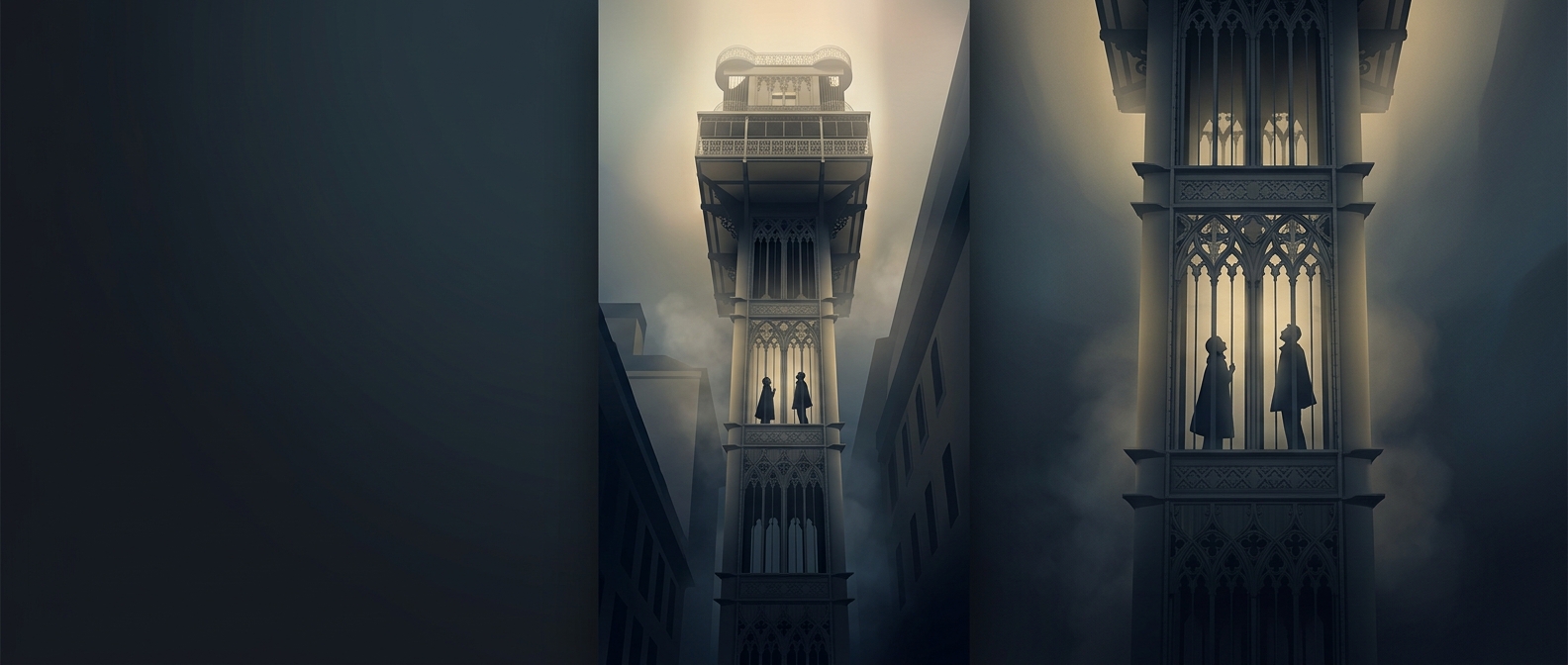
Lisbon’s old center is split by a steep rise: Baixa occupies the lower ground, while Carmo sits above it. Santa Justa’s tower bridges that abrupt change in elevation, carrying passengers roughly 45 meters upward instead of routing them along a winding street or a long flight of steps. The climb is short; the terrain it bypasses is the obstacle.
The lift opened in 1902, when a purpose-built elevator offered a practical way to connect the two parts of the city. Its iron tower is not just a shaft for the cabins: it is the visible structure that supports the vertical journey in a dense historic neighborhood, where a broad ramp would have required far more space.
The ride is only half the connection
At the upper level, passengers reach a walkway leading toward Carmo Square. That final link matters: the elevator does not simply deposit riders at the top of the tower but carries them into the higher district. In a city where a few blocks can involve a sharp change in elevation, joining the lift to the surrounding streets turns a dramatic climb into a usable route.
Today the structure is also a landmark, so the same trip serves both as transport and as a way to see the city from above. But its original logic remains legible: Santa Justa makes Lisbon’s topography part of the route rather than a barrier passengers must climb themselves.