A regiment built to be seen
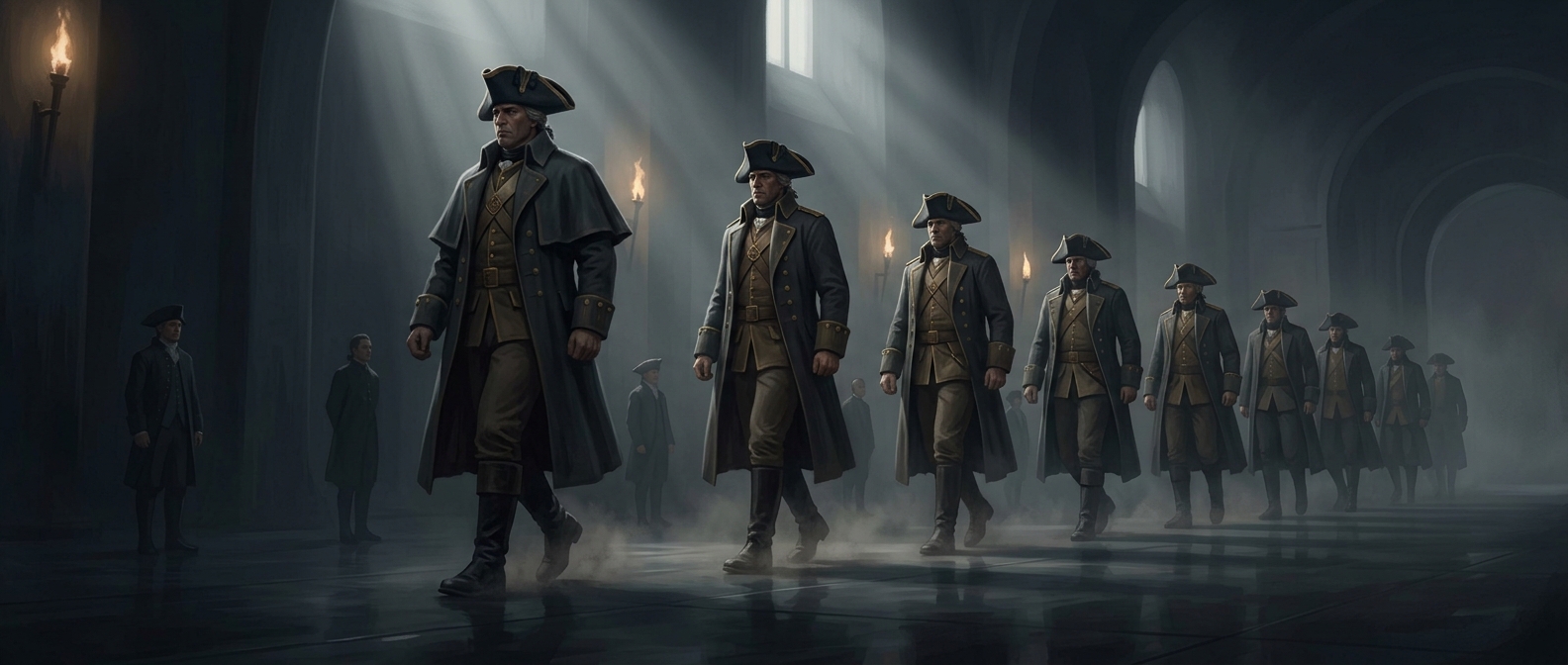
Frederick William I’s tall soldiers were not a separate army of giants. They formed a unit in the Prussian army, commonly known as the Potsdam Giants or “Long Guys.” Their unusual height made them striking figures on parade, where military display could project the king’s authority and the state’s power. The regiment also reflected a personal fixation: Frederick William took an active interest in its members and wanted its ranks filled with men taller than ordinary soldiers.
That priority shaped how the unit was assembled. Prussian recruiters sought exceptionally tall men beyond the kingdom’s borders, while the king used money, pressure and, in some cases, abduction to obtain them. For a soldier, being recruited could mean being drawn into a ruler’s project rather than simply choosing a military career. The practice also made the regiment a diplomatic irritant when men were taken from other territories.
Height as spectacle, not a battlefield advantage
A tall soldier could make a formation look imposing, but height alone did not make a unit more effective in combat. The regiment still belonged to an army whose success depended on training, discipline and coordination. Its special status came less from a unique battlefield role than from the king’s attention and the visual effect of its ranks.
That distinction helps explain why the regiment is remembered: it shows how a ruler’s private obsession could influence public institutions and impose real costs on other people. In Potsdam, military ceremony gave that obsession a visible form—men assembled in uniform, their bodies made part of the spectacle.