Why a Bucket Line Can Beat a Runner
A runner carries one bucket over the whole distance, then has to travel back before making another delivery. In a human chain, the distance is divided into short legs: each person receives a bucket, passes it to the next person, and reaches for the next one. Once the line is moving, several buckets can be in transit at once.
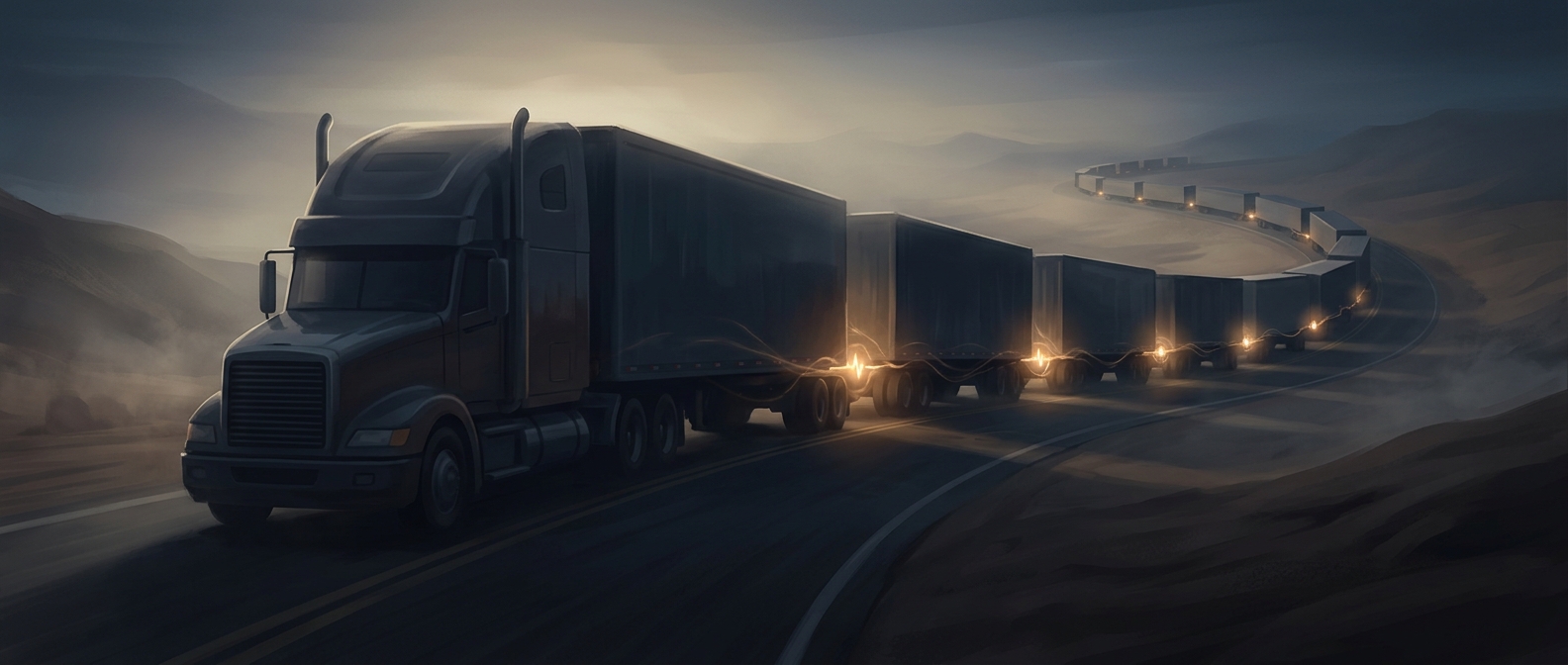
That is the key advantage: the chain works in parallel. Each person repeats a small task instead of spending most of the time walking the route. The line does not make any one bucket move faster; it increases how often buckets arrive at the far end.
The Line’s Bottleneck
The pace depends on the slowest handoff. If people are spaced too far apart, buckets become harder to pass securely. If the line is crowded or poorly coordinated, one delayed transfer can interrupt the flow behind it. A steady rhythm and a clear direction of travel help keep buckets moving without collisions or spills.
The setup also needs a way to bring empty buckets back to the water source. That can mean passing them back along the same line or using a separate return route. Either way, the people and containers must be organized so the supply of full buckets does not dry up.
A Tradeoff in Distance and Labor
A chain uses many people at once, so it is most useful when enough hands are available and the route is short enough for reliable handoffs. For a long or difficult path, adding more people may help—but only until coordination and the return flow become the limiting factors. Its efficiency comes from replacing repeated long trips with a continuous sequence of small transfers.