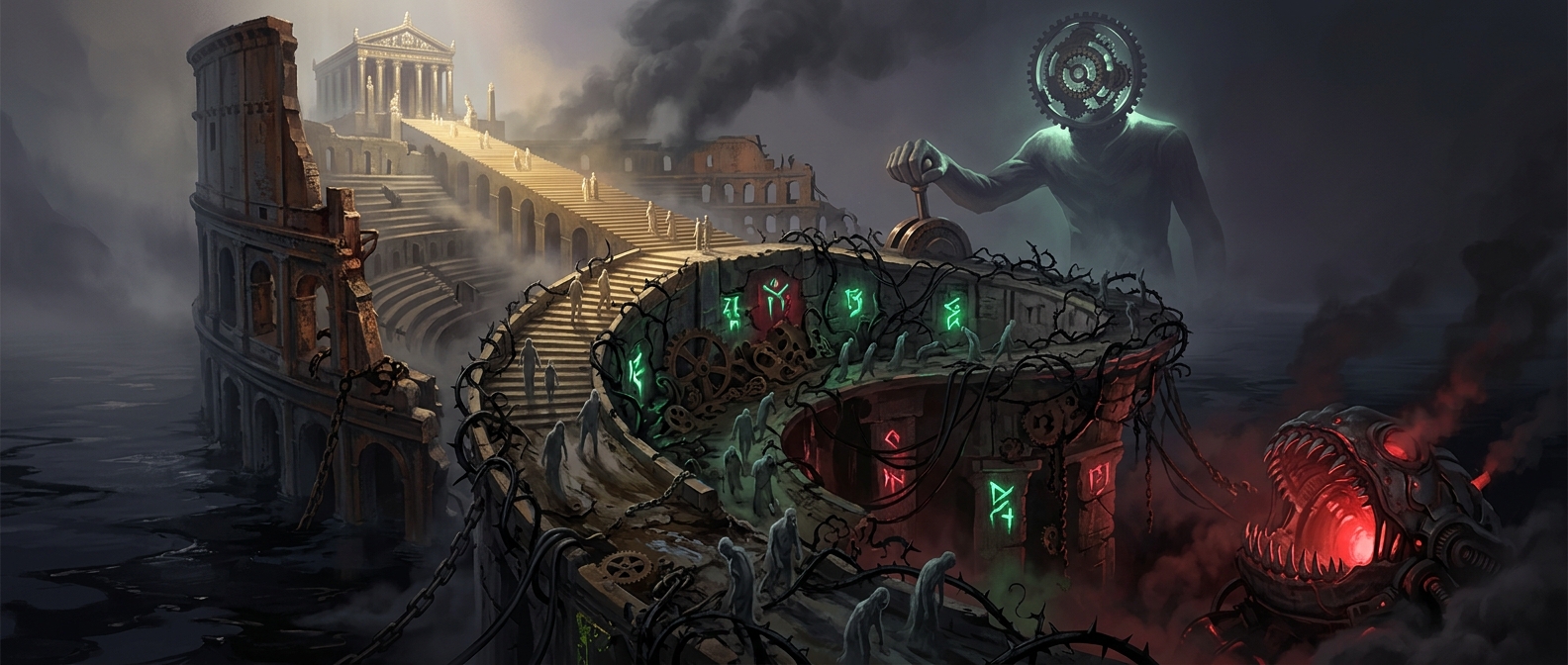
How a useful app can turn against its users
A new platform usually has a reason to make itself pleasant: it needs people to join, post, search, shop, or keep coming back. At first, the service may offer generous features and show users mostly what they came for. But once a platform becomes a regular habit—and especially once people’s friends, work, purchases, or data are tied to it—leaving becomes costly. That dependence gives the company room to change the bargain.
The shift from users to business customers
Many platforms make money by selling access to attention: advertisers pay to place messages in front of users. As the company seeks more revenue, it can give advertisers better targeting, more prominent placements, or more influence over what appears. The feed then has to serve two audiences with different goals: people seeking useful or enjoyable content, and businesses seeking customers.
That tension can alter the product itself. More sponsored posts may crowd out personal updates. Recommendations may favor material that keeps people scrolling rather than material they deliberately sought. New features can be designed around collecting more behavioral data or converting attention into sales. Each change may look modest on its own; together, they can make the original service harder to recognize.
Why the decline can continue
Users may dislike the changes but stay because their community, history, or essential tools remain there. Competitors have a harder time attracting people when the platform’s value depends on everyone else already using it. That inertia weakens the pressure to keep the experience excellent.
Tech critics use “enshittification” for this pattern: a platform first wins users, then uses their dependence to improve terms for business customers, and eventually extracts more value for itself. The practical consequence is not simply a busier screen. It is a shift in who the product is designed to serve—and how much inconvenience users will tolerate before they can realistically leave.