A River Made of Stars and Shadow
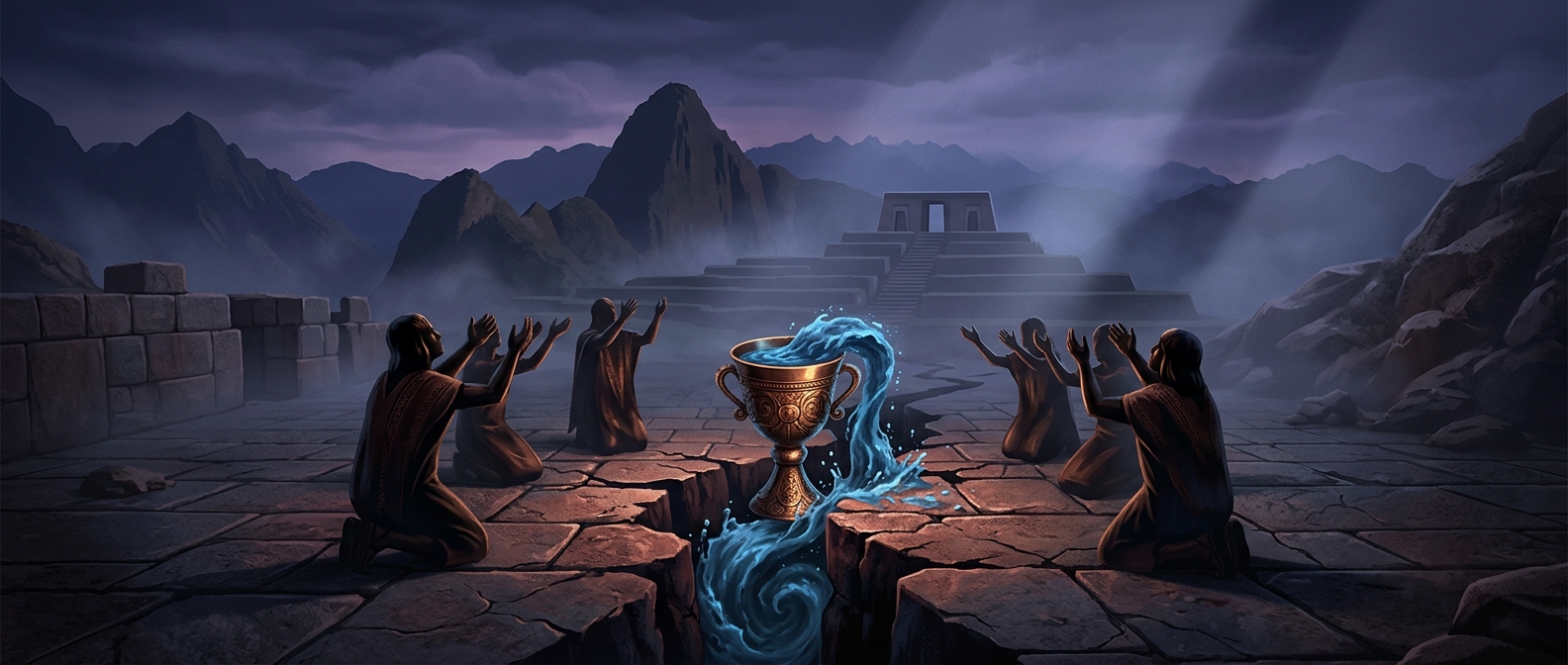
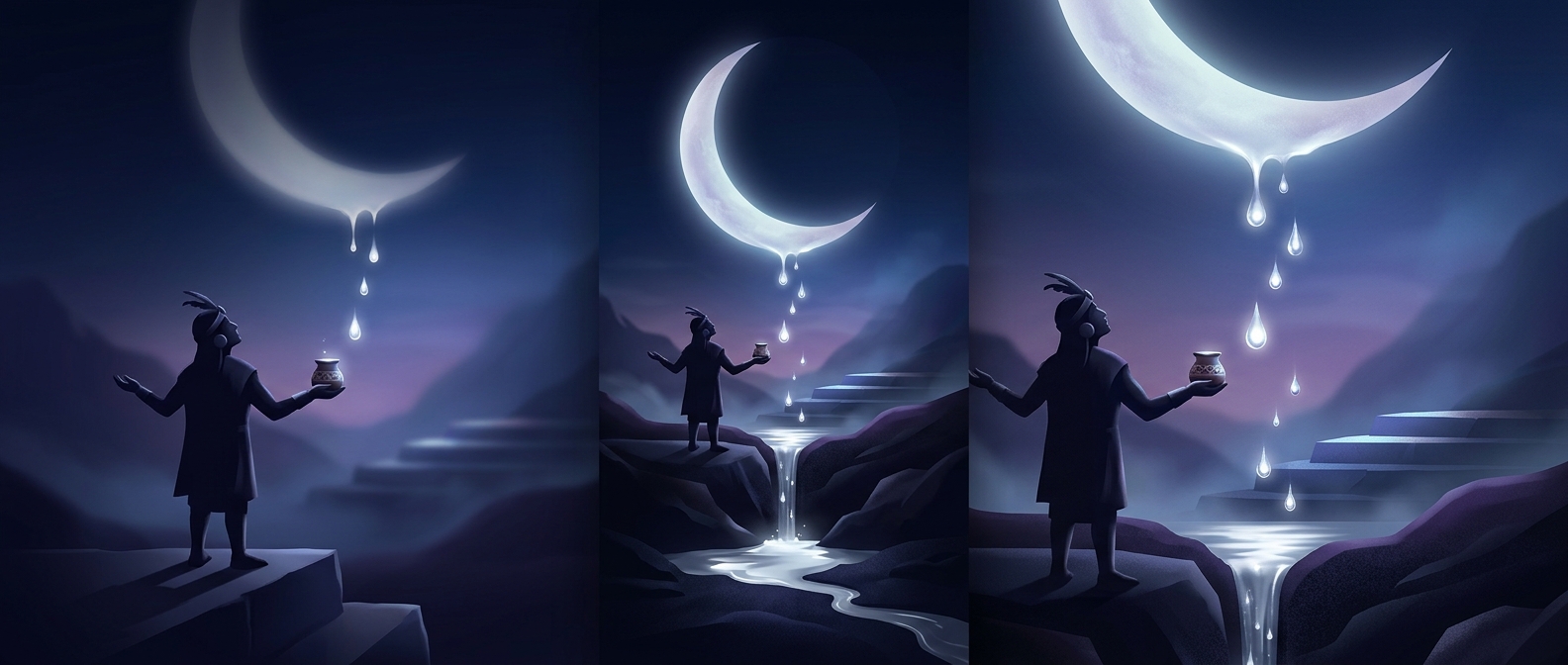
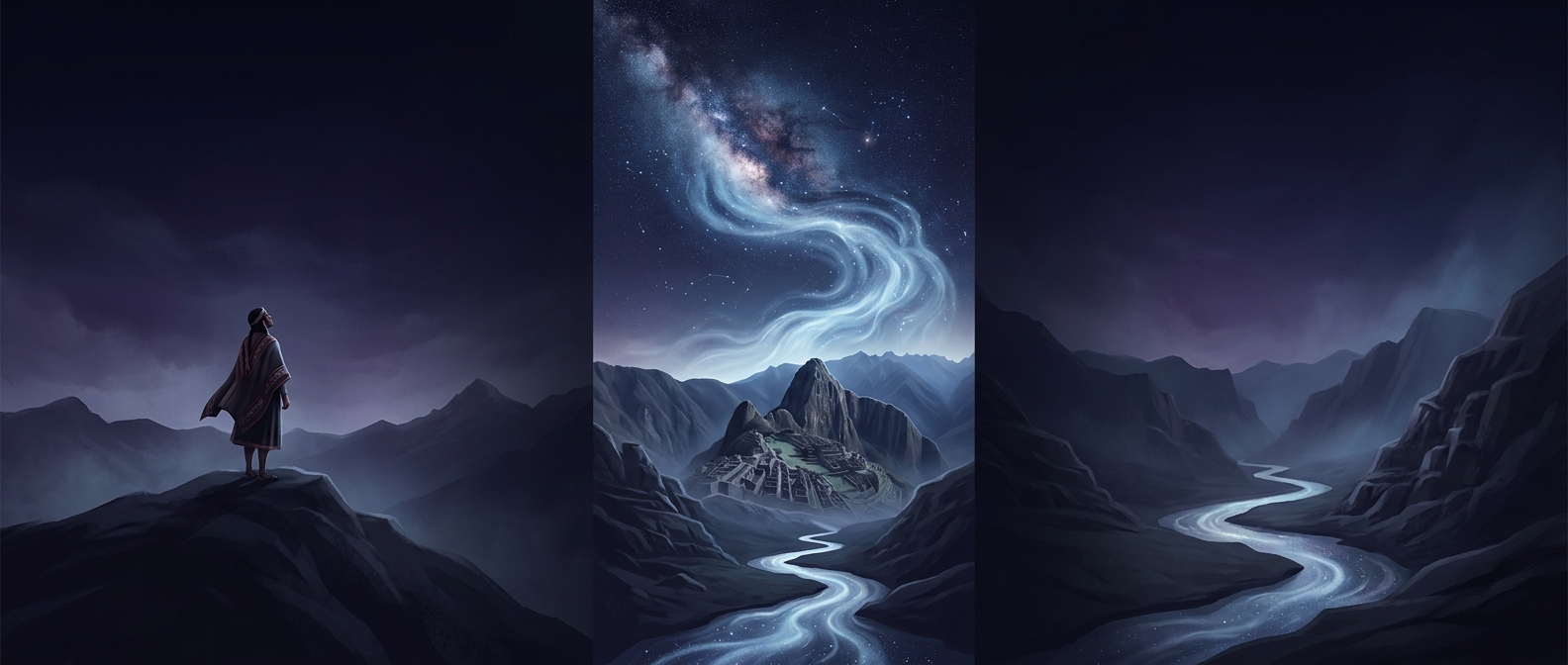
To the Incas, the Milky Way was not merely a bright band across the night sky. They called it Mayu, or “river,” and understood its celestial waters as part of a larger circulation that sustained life on Earth. The image joined the heavens to the practical world of water, animals, and farming: what flowed above belonged to the same life-giving order as what flowed below.
That river was visible in two contrasting ways. The Milky Way’s luminous band supplied the water, while dark shapes within it—places where dust blocks the light of distant stars—could be seen as animals. Rather than tracing figures between bright stars, this way of reading the sky found them in the darkness.
Reading the Sky as a Living Landscape
The dark patches made the Milky Way feel less like a distant decoration and more like a landscape with inhabitants. In that picture, animals were not separate from the river: they appeared within its waters, connecting the sky’s movement to the living world it was believed to nourish.
This was a way of interpreting the night sky, not a claim that its dark shapes were literal animals. Its lasting force lies in the relationship it drew: the same celestial river could be both a visible feature overhead and part of an explanation for how life on Earth was sustained.**