Why Supersonic Airflow Needs a Different Test
At ordinary speeds, air can often be treated as nearly incompressible: it flows around a vehicle without large changes in density. Near and above the speed of sound, that assumption fails. Air is squeezed and heated as it moves around the shape, and abrupt pressure changes can form shock waves—thin regions where airflow properties change sharply.
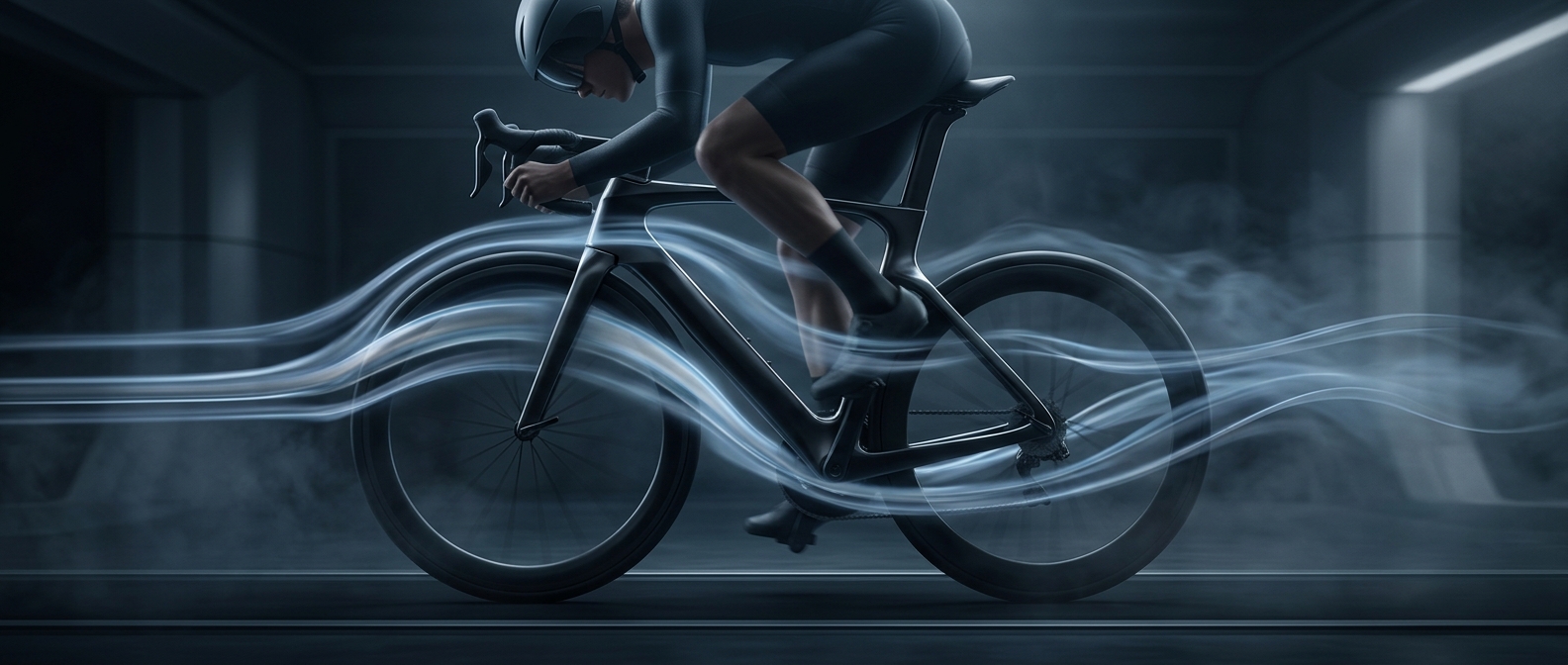
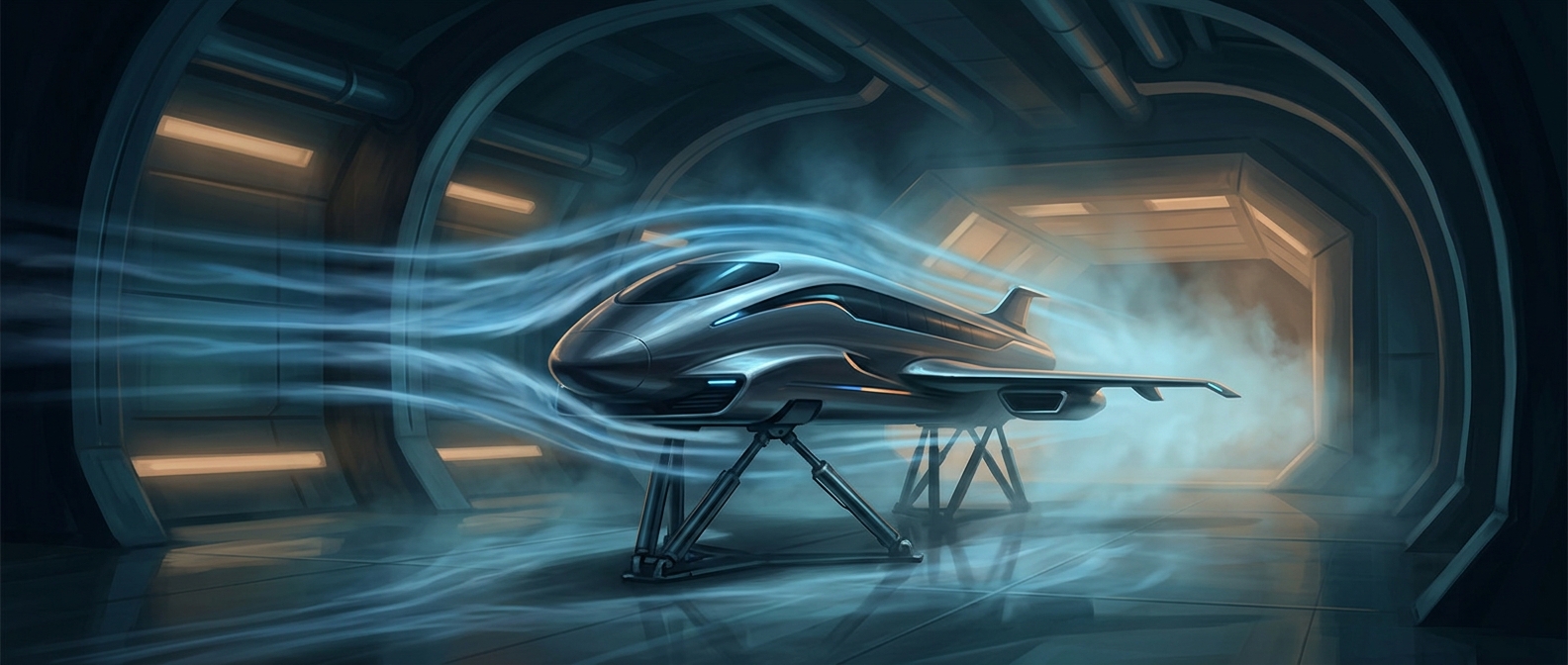
A supersonic wind tunnel lets engineers study those effects without sending a full-size vehicle through the air at extreme speed. The model stays fixed while fast-moving air creates the relative motion that matters: how the vehicle’s shape interacts with the surrounding flow.
Reading the Flow Around a Model
Seeing where air goes is only part of the test. Engineers also need to locate shocks, separations, and other changes that can affect drag, stability, and heat. Optical methods can make otherwise invisible density changes visible: as air’s density shifts, it bends light differently, revealing patterns in the flow. Tracers can show movement in some setups, while specialized imaging is often better suited to sharp features such as shock waves.
Those patterns help explain why a small change in a nose, wing, or body contour can have a large effect at high speed. A shape that guides air smoothly may reduce unwanted resistance; one that forces abrupt changes can produce stronger shocks and more heating.
The Limits Engineers Must Account For
A model cannot simply be a miniature copy and still guarantee a perfect prediction. Its size, the tunnel’s airflow, and the conditions being tested must be chosen so the important physics match the real vehicle as closely as possible. Supersonic facilities also require substantial energy, so tests may be brief or limited to a particular range of conditions.
The payoff is a controlled view of a flow too fast and complex to inspect directly. Engineers can compare designs before committing to a full-scale vehicle—and see not just whether air passes over it, but where the flow changes abruptly enough to shape its performance.