How Sound Gives a Slow Climb Stakes
A sloth’s climb offers little of the rapid movement that usually signals danger or urgency. A voiceover and musical score can supply those missing cues. A low, measured narrator makes each pause feel deliberate; a rising musical phrase suggests that the next movement matters. The viewer starts watching not just for motion, but for what might happen next.
The Edit Turns Waiting Into Suspense
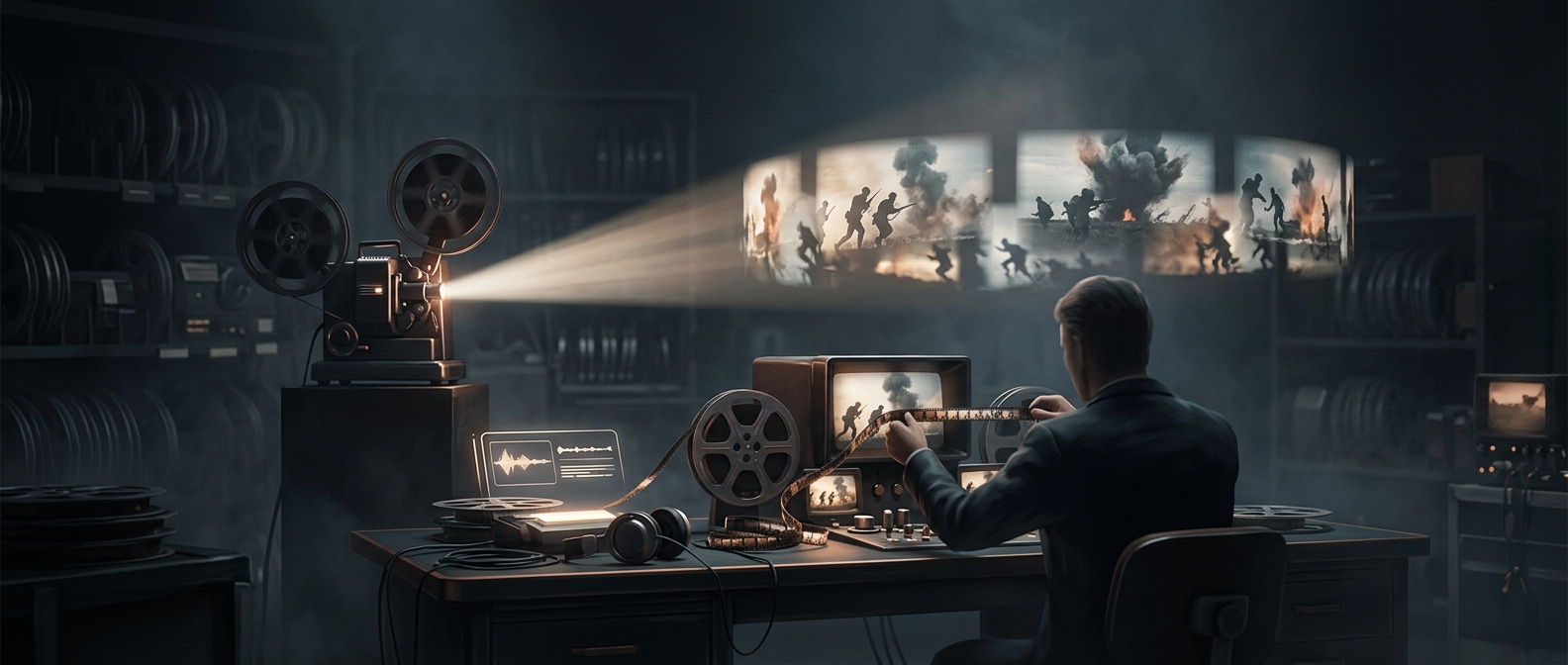
The effect depends on timing. Hold on a paw searching for a grip, and the delay becomes a decision. Let the music swell before the sloth reaches the next branch, and an ordinary bit of climbing gains a clear dramatic shape: attempt, obstacle, possible payoff. The animal has not changed pace. The edit has changed what the audience expects from that pace.
This works because viewers use sound to interpret images. Music can imply tension or triumph, while narration can frame an action as purposeful. When that framing is more dramatic than the visible event, the contrast itself becomes entertaining: a modest climb is treated with the seriousness of an epic challenge.
A Small Event Becomes the Whole Story
That approach also changes what counts as a compelling scene. Instead of cutting away because the action is slow, a creator can make the waiting the point—inviting viewers to notice every careful reach. The payoff is not a sudden feat; it is the branch, finally reached, after the soundtrack has taught us to anticipate it.