A closer look
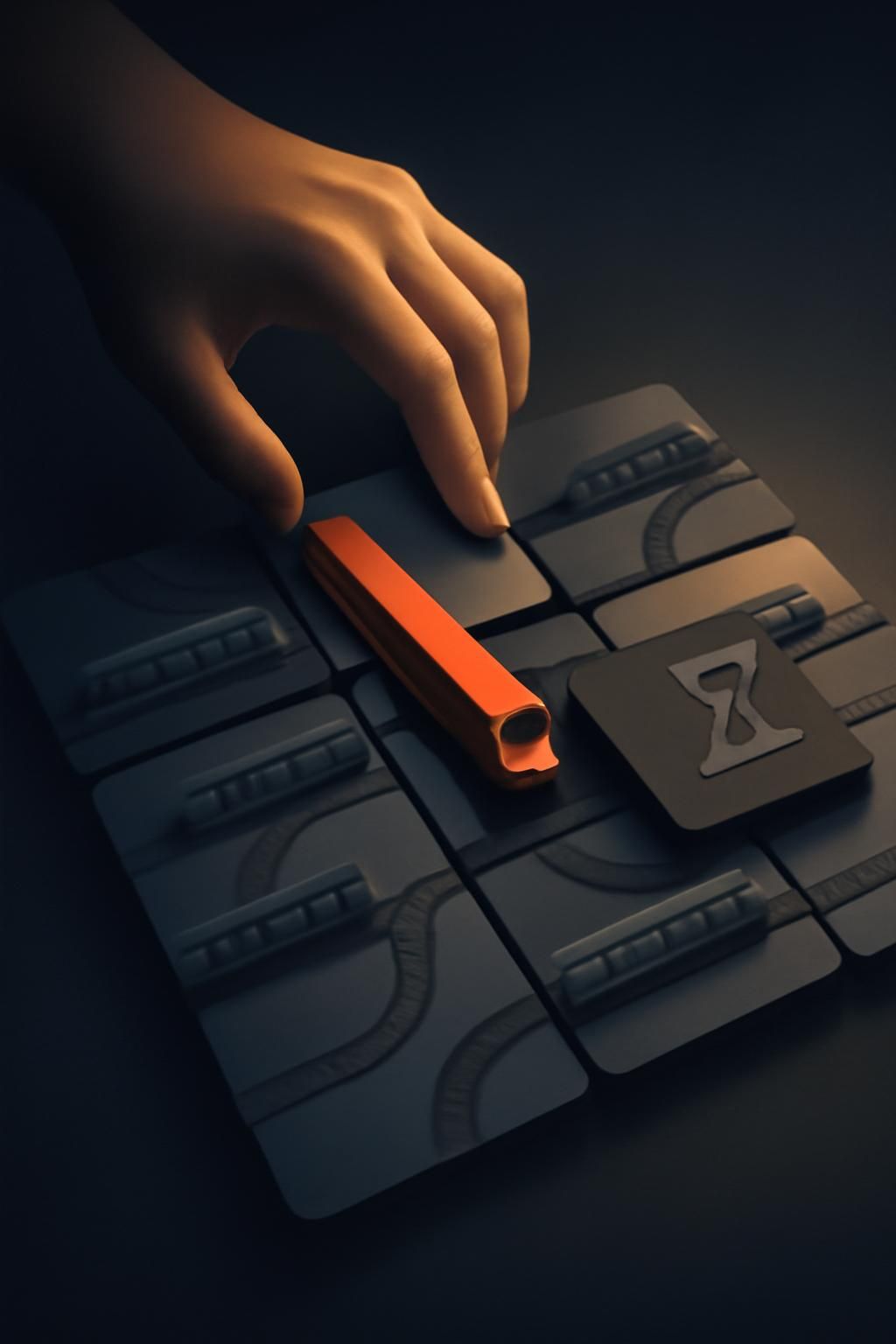
That maddening 'signal failure' announcement hides how delicate modern rail systems really are. A train network is like a giant sliding puzzle where each piece must move at the right second, on the right track, at the right speed. Timetables often assume near-perfect conditions to maximize capacity, especially in crowded regions. But one small delay – a door stuck, a sick passenger, a broken switch – ripples down the line, forcing trains behind to slow, wait, or even skip stops. Signaling systems, built for safety above all, deliberately err on the side of making everything stop when something looks off. Add aging infrastructure, maintenance windows, and occasional staff shortages, and it's a minor miracle when complex networks run smoothly. Some cities are experimenting with real-time dynamic timetables using better data and automation, but the trade-off remains: more trains per hour means more sensitivity to tiny disruptions. When your train is late, you're not just waiting; you're watching a system hit its limits in real time.