Why The Exorcist disappeared from British video shelves
In the early 1980s, Britain had a regulatory gap: films shown in cinemas were examined by the British Board of Film Censors, but home-video releases did not yet require the same kind of classification. A film that had been approved for cinemas could therefore circulate on tape without a video-specific certificate.
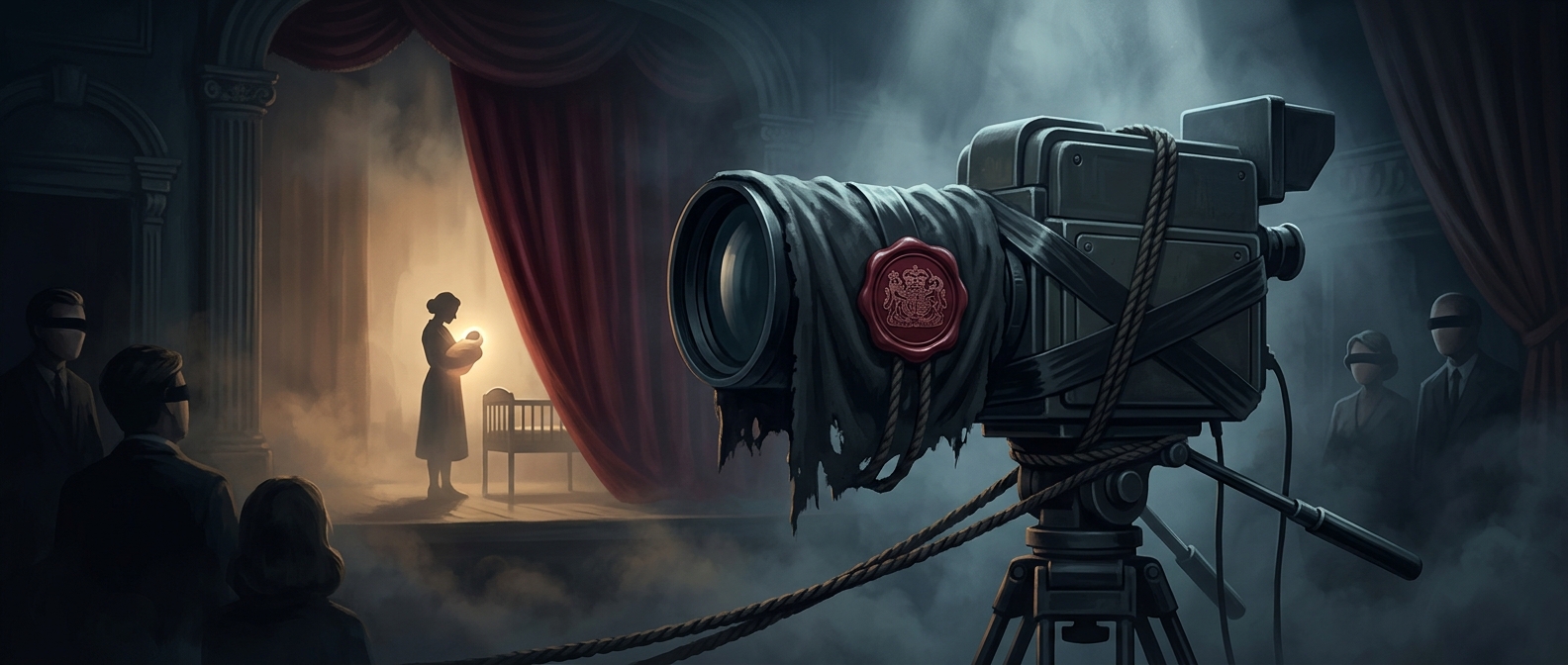
That gap became the focus of the “video nasties” panic. Newspaper coverage and public concern centered on violent or disturbing tapes that could be rented or watched at home, beyond the controls applied to cinema screenings. In that atmosphere, The Exorcist was pulled from British video-store shelves in 1984.
A withdrawal, not a simple government ban
The word “banned” can make the episode sound like a court or government order aimed specifically at the film. The more useful distinction is that The Exorcist was withdrawn from video circulation amid the wider controversy over unregulated tapes; it was not simply prohibited from being shown in Britain. Its earlier cinema release had been certified.
The change in the law came with the Video Recordings Act 1984, which brought home-video releases under a formal classification system. The controversy had made the medium itself seem like a problem: a tape could be borrowed, replayed, and watched in private, while the rules governing what could be sold or rented were still being established.
That is why the episode is remembered as part of the “video nasties” era. The unsettling detail is not only that a famous horror film vanished from rental shelves, but that the arrival of home video forced Britain to decide whether a film approved for a cinema audience should automatically be available in living rooms too.