How daylight can influence a growing eye
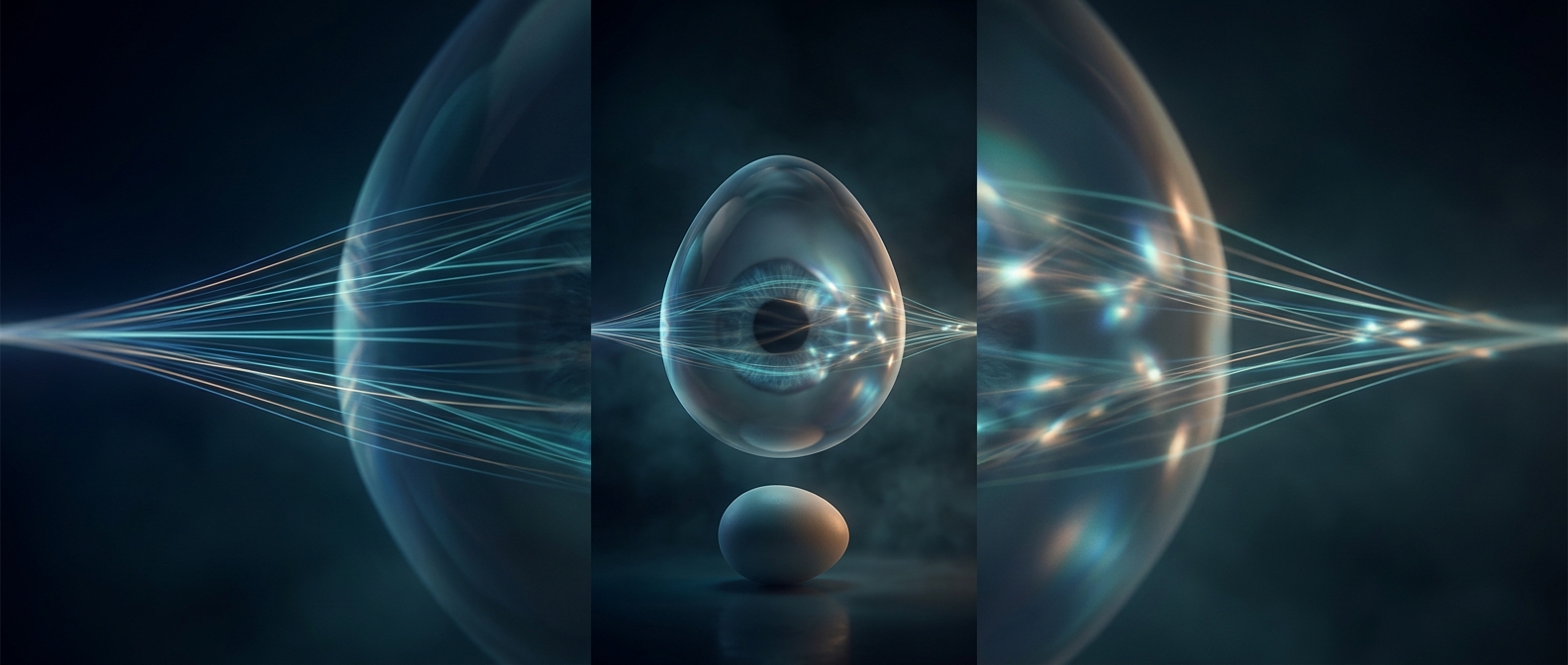
A child’s eye is not simply a fixed camera: as it develops, its length changes. When it becomes too long from front to back, light from distant objects comes to a focus before it reaches the retina—the light-sensitive layer at the back of the eye. The result is myopia, or nearsightedness.
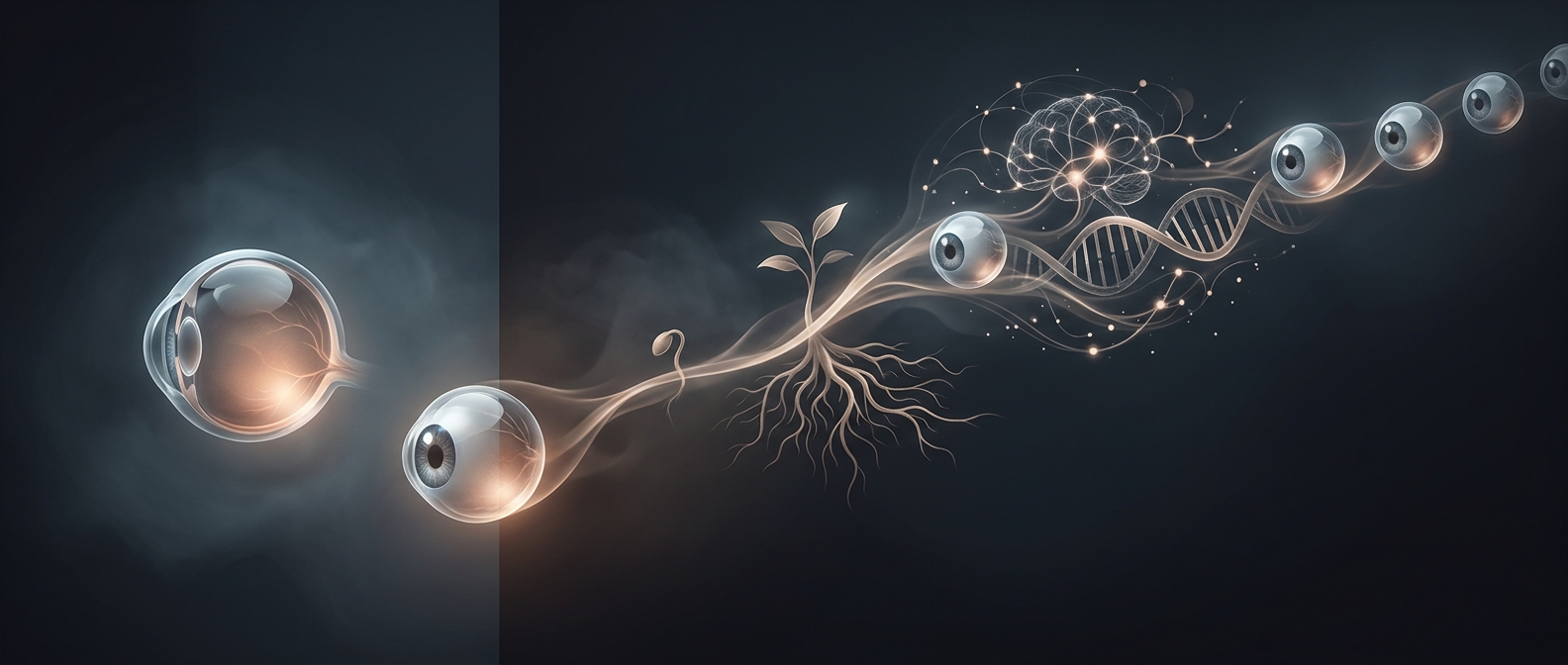
Bright outdoor light appears to help regulate that growth. Light stimulates the retina to release dopamine, a chemical messenger that helps control how the eye develops. Evidence suggests dopamine signaling can act as a brake on excessive lengthening. The pathway is not a complete explanation of myopia, which also reflects inherited and environmental influences, but it helps explain why time outdoors matters.
Why outdoors is different
Even on a cloudy day, outdoor light is generally much brighter than ordinary indoor lighting. That strong light exposure may trigger retinal signals that are weaker indoors. The benefit is associated with being outside in daylight; it does not require looking directly at the sun, which can damage the eyes.
The practical implication is about the setting, not a special visual exercise: outdoor time gives a developing eye a different light environment. It can lower the likelihood of myopia, though it cannot guarantee that a child will avoid it. If a child begins squinting to see distant signs or the classroom board, an eye examination can identify blur that more outdoor time alone may not correct.