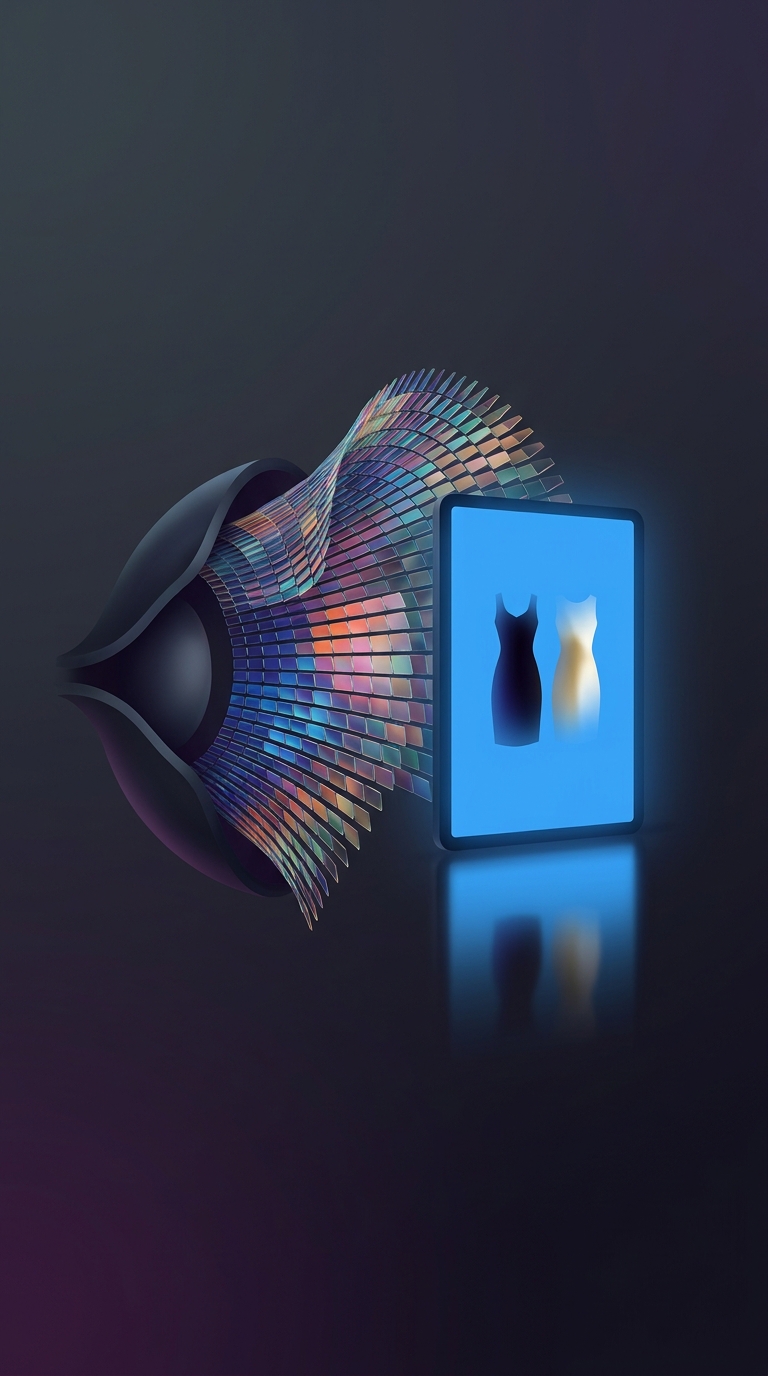
What “black” actually means to the brain
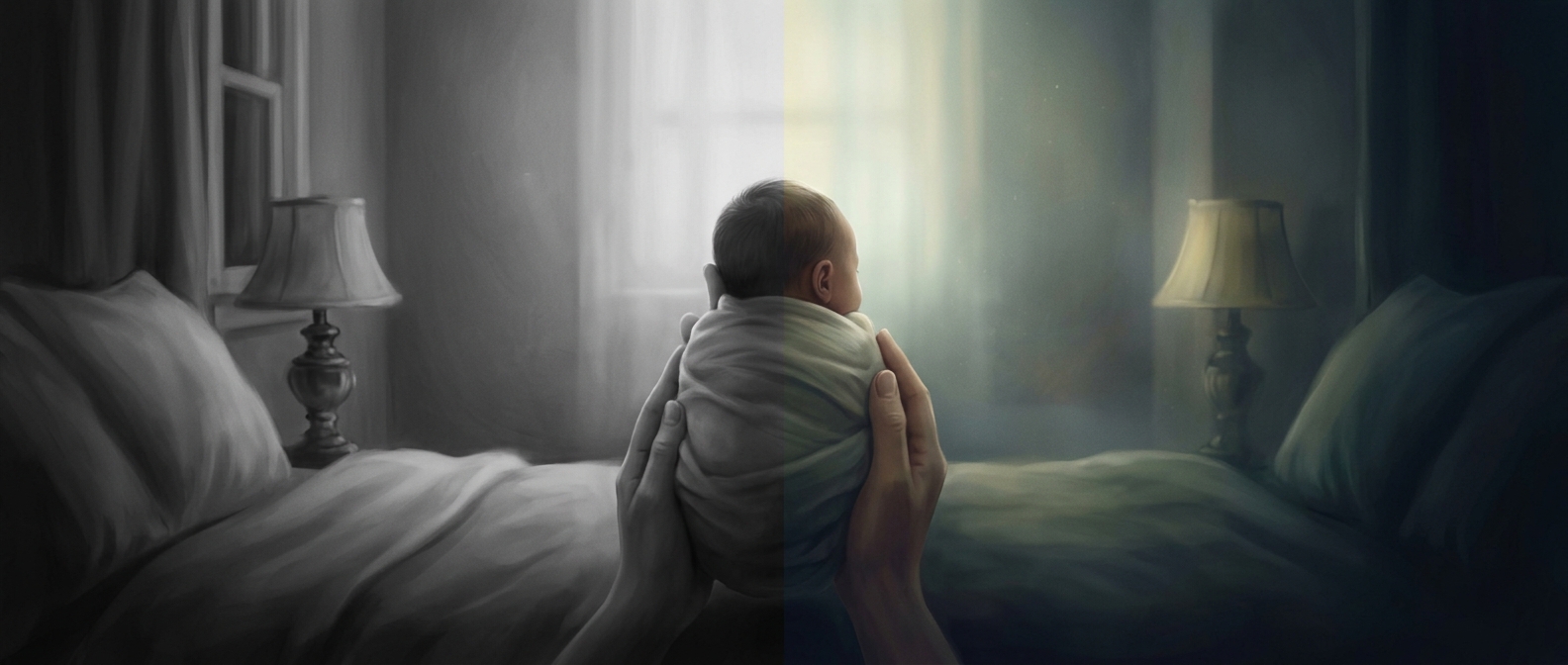
Black is a visual experience: the brain interprets little or no light reaching the eyes as a dark part of a scene. It is not a universal background that appears whenever vision is unavailable. With eyes closed, for instance, sighted people may still notice faint patterns or flashes because visual activity does not simply switch off.
When the visual system provides no usable visual experience, there may be no visual scene at all—not even darkness. That absence is hard for sighted people to imagine because our own experience of an unlit room is still an experience of seeing.
Blindness is not one sensory state
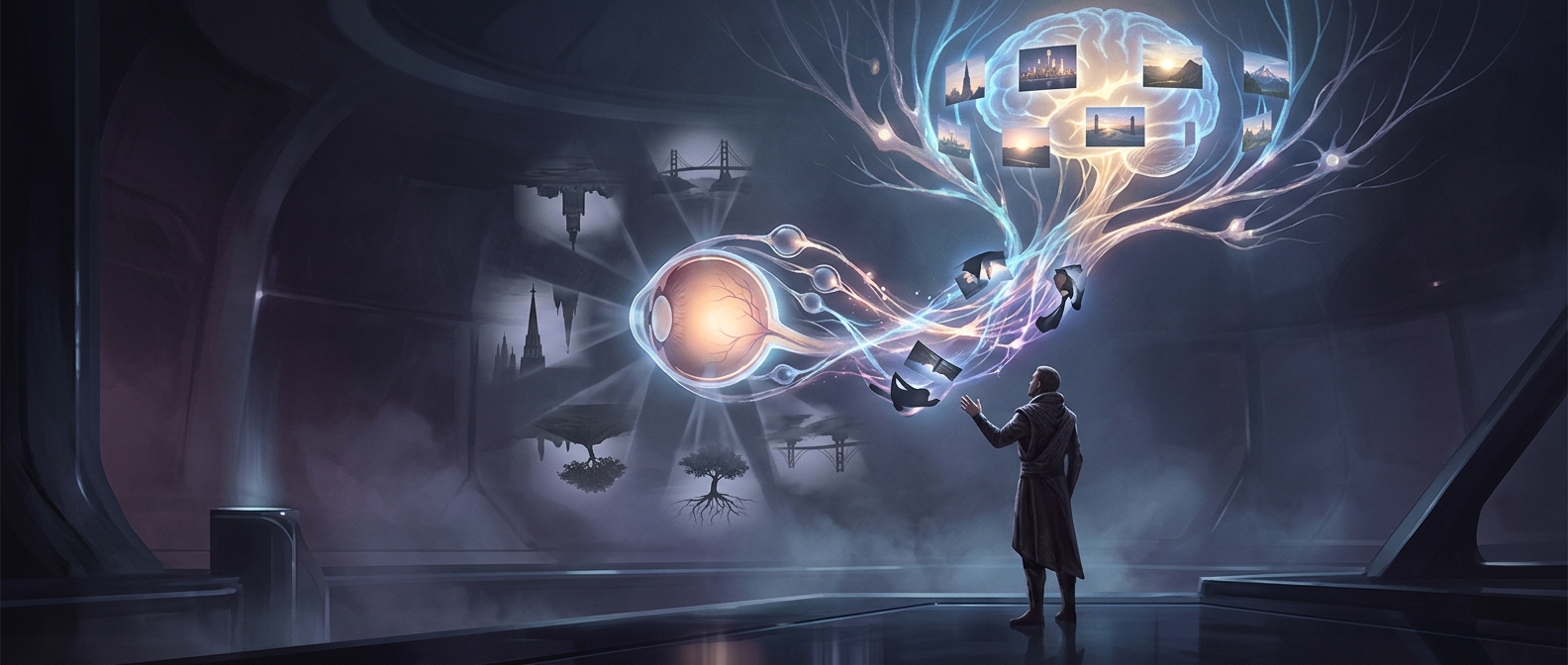
Blindness describes a range of conditions, not a single way of perceiving. Some people have no conscious visual perception; others can detect light, shapes, or movement. What someone experiences depends on how their eyes and visual pathways are affected, and it can differ even among people described as blind.
That distinction matters in everyday conversation: asking whether a person who is blind “sees black” assumes that vision is present but dark. For someone without visual perception, the more accurate description may be that there is no visual experience to report.