
A closer look
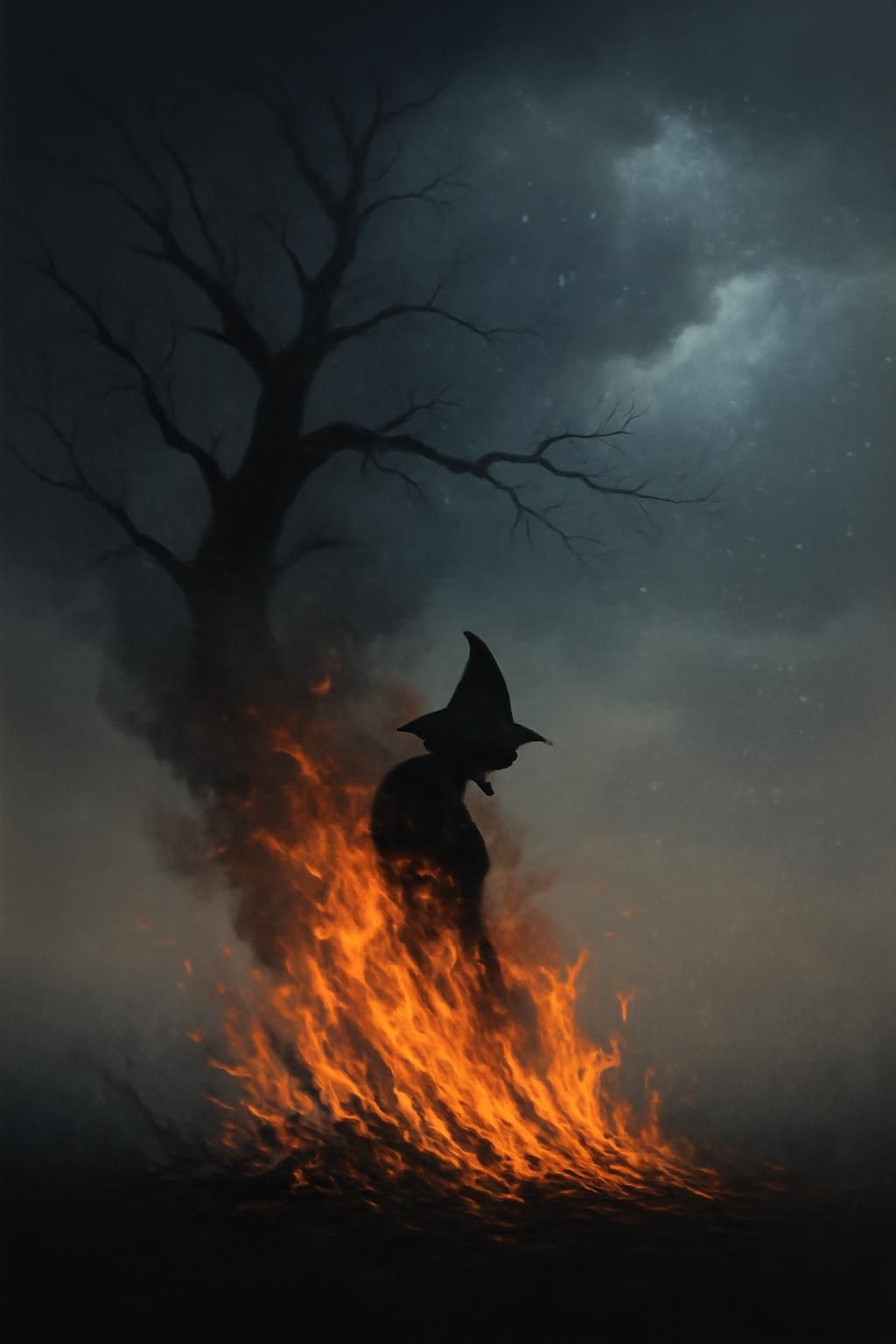
Europe burned thousands of 'witches' partly because the weather turned colder. During the so-called Little Ice Age, from roughly the 14th to 19th centuries, harvests failed again and again. Rivers froze, summers shortened, and famine became a recurring guest. People did not understand climate systems, but they understood fear and blame. When crops rotted or cows died, villagers searched for a human cause, and accusations of witchcraft spiked after bad weather years. In some German regions, records show trials clustered around hailstorms and frosts that destroyed vineyards. Church and secular authorities encouraged this, turning random misfortune into a moral story: the community is suffering because someone among you is evil. It is disturbingly close to how we still react to crisis today, hunting for convenient villains instead of complex causes. Climate change, pandemics, financial crashes — the names have changed, but the urge to light a symbolic pyre has not.