Why chewing changes the risk from apple seeds
The key difference is whether a seed’s contents become accessible. An apple seed has a hard outer coat that can protect what is inside as it passes through the digestive tract. Chewing it finely breaks that barrier, allowing digestion to reach amygdalin, a natural compound in the seed.
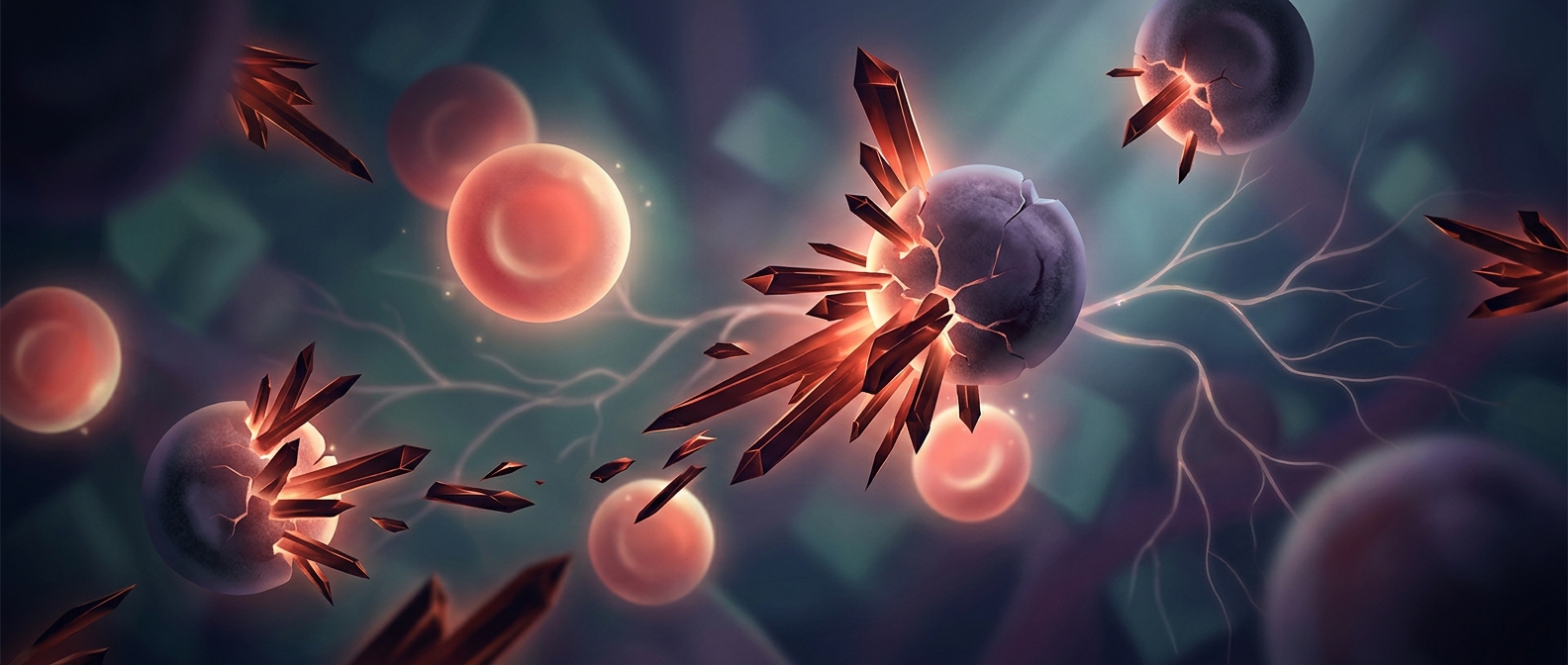
When amygdalin is broken down, it can release hydrogen cyanide, a chemical that interferes with the body’s ability to use oxygen. The danger therefore depends not just on how many seeds are swallowed, but on how many are crushed and how much of their contents the body can absorb.
Why a seed count is not a safety limit
Estimates around 150 to 200 seeds refer to a particular scenario—seeds chewed and swallowed together—not a precise line between harmless and harmful. Seed size, how thoroughly they are chewed, and individual differences all affect exposure. Swallowed whole, many seeds may remain largely intact; ground or finely chewed seeds make more of their amygdalin available.
That is why the number should not be used as a personal threshold or as a reason to test the effect. A count alone cannot predict how much cyanide would be released or absorbed. The practical distinction is simple: crushing the seeds matters more than merely swallowing them whole, and deliberately eating a large quantity of chewed seeds is not safe.