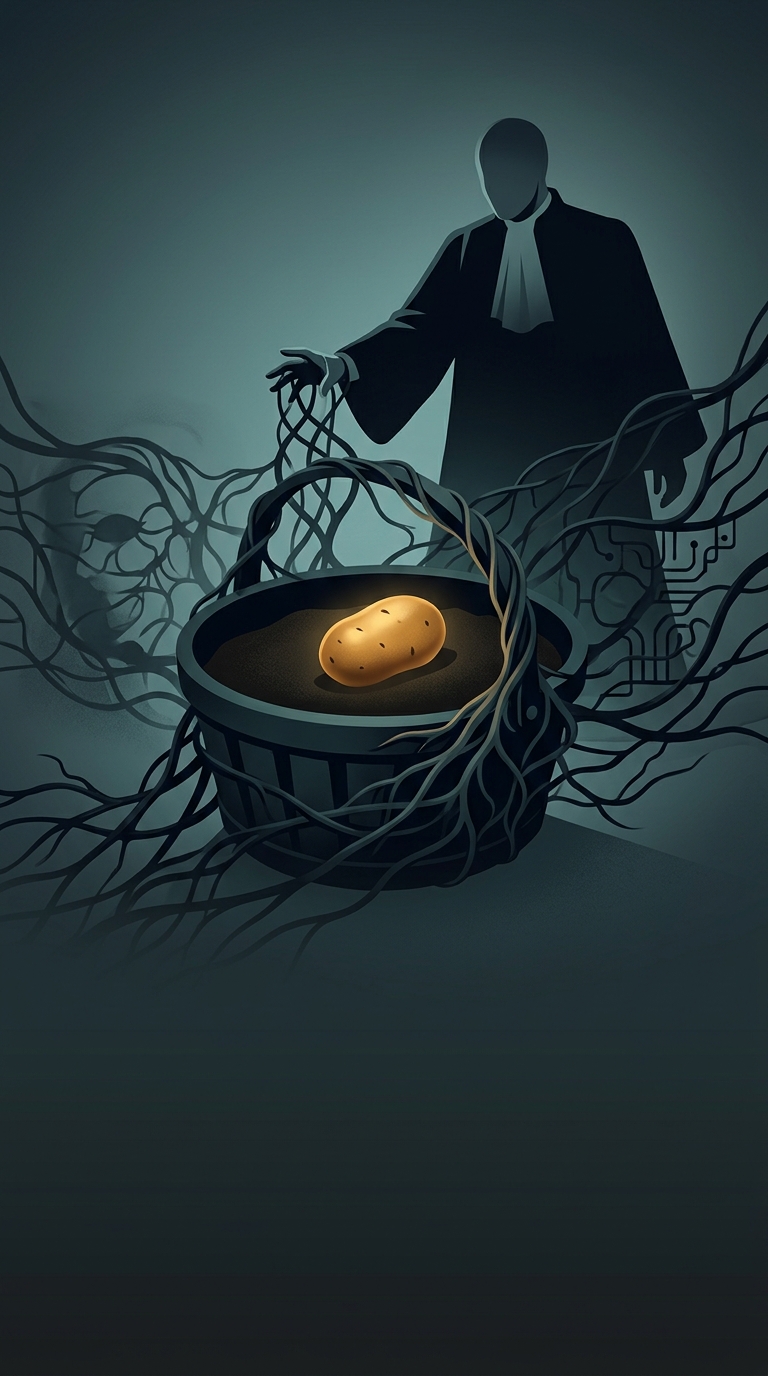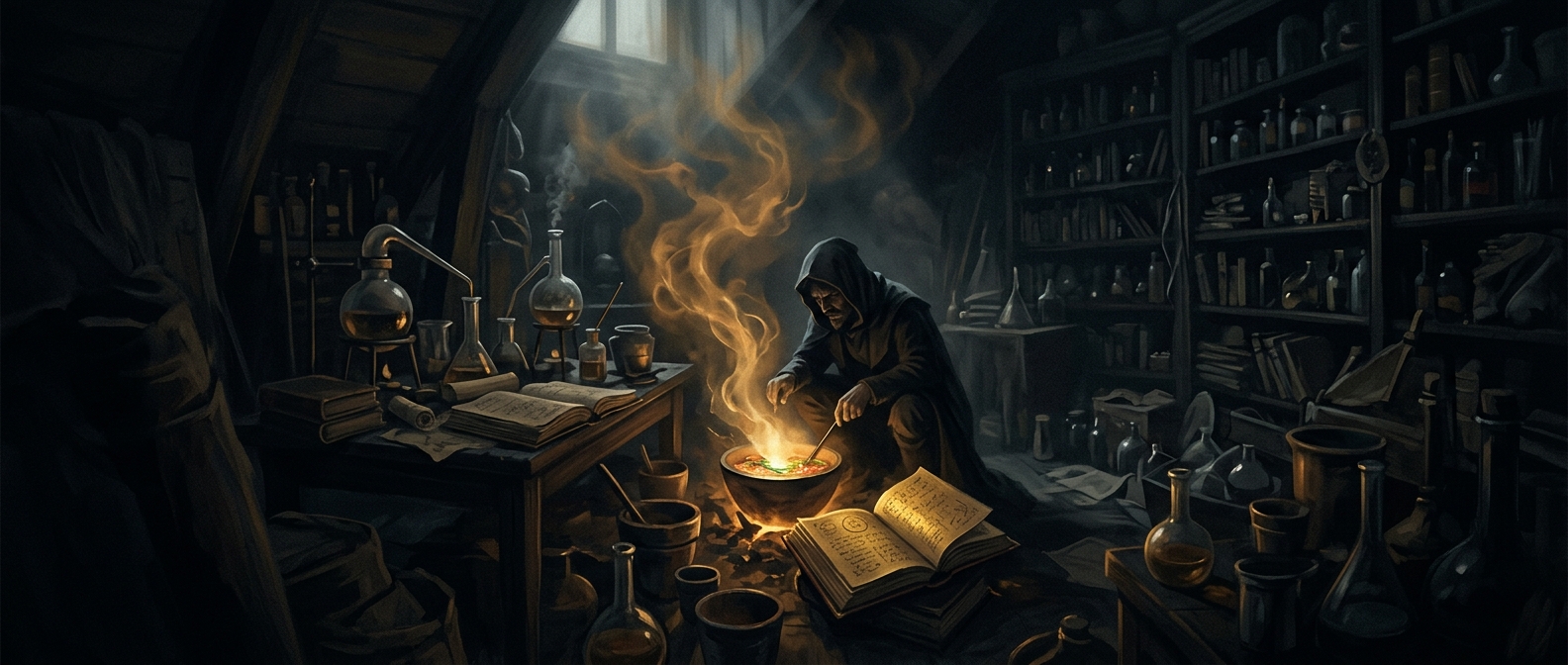
Strindberg’s alchemy moved from the page to the workbench
August Strindberg is remembered chiefly as a playwright and novelist, but in the 1890s he also pursued alchemy: the old art of trying to transform ordinary materials into precious substances. For him, this was not just a literary theme. He attempted experiments himself, bringing a hazardous practical craft into his living space.
Why a metalworking experiment could not make gold
Alchemy grew up before scientists understood that each element has its own kind of atom. Heating, dissolving, and mixing materials can change their form or combine them into new compounds, but those operations do not change one element into another. Gold-making therefore demanded a transformation that ordinary chemical experiments could not accomplish.
That distinction was not yet as familiar to the public as it is today. Alchemy had helped develop hands-on techniques for working with substances, even as its hoped-for transformations remained beyond those techniques. A belief in the possibility of gold could lead an experimenter to keep trying mixtures and processes that offered no safe or reliable route to it.
The cost of trying
Strindberg’s attempts brought a more immediate consequence than a change in metal: he badly burned his hands. The episode shows the physical risk hidden inside the dream of transmutation. In a home experiment, an idea about transforming matter could become a real encounter with heat and hazardous materials—while the gold remained out of reach.