How a Hopscotch Line Becomes Airborne
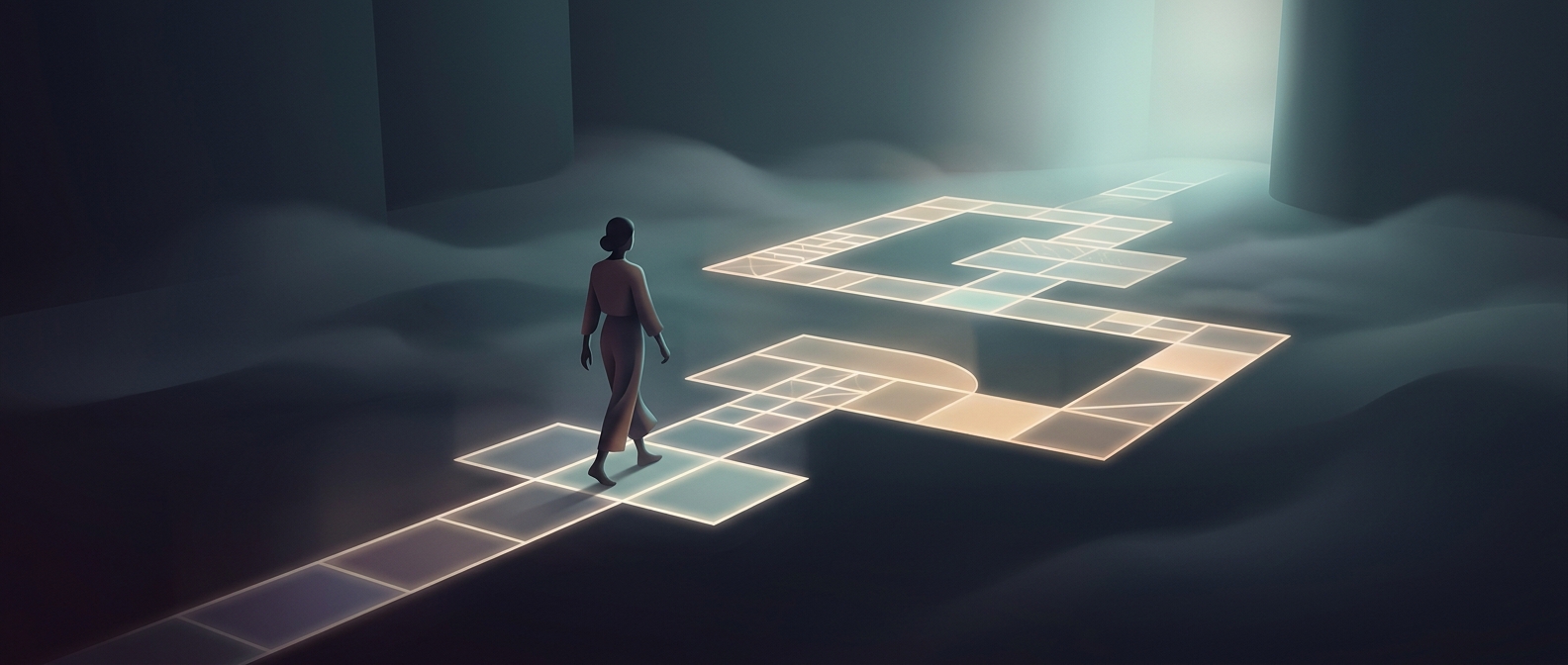
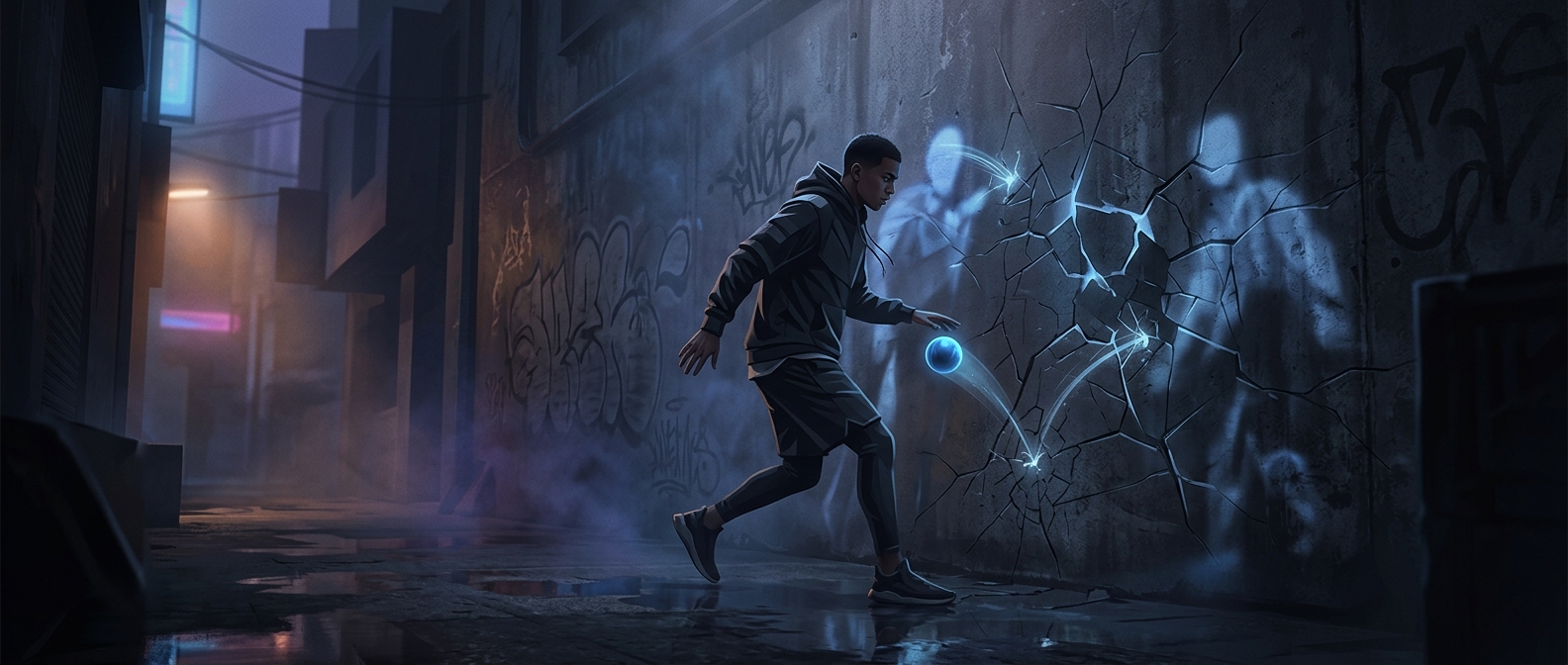
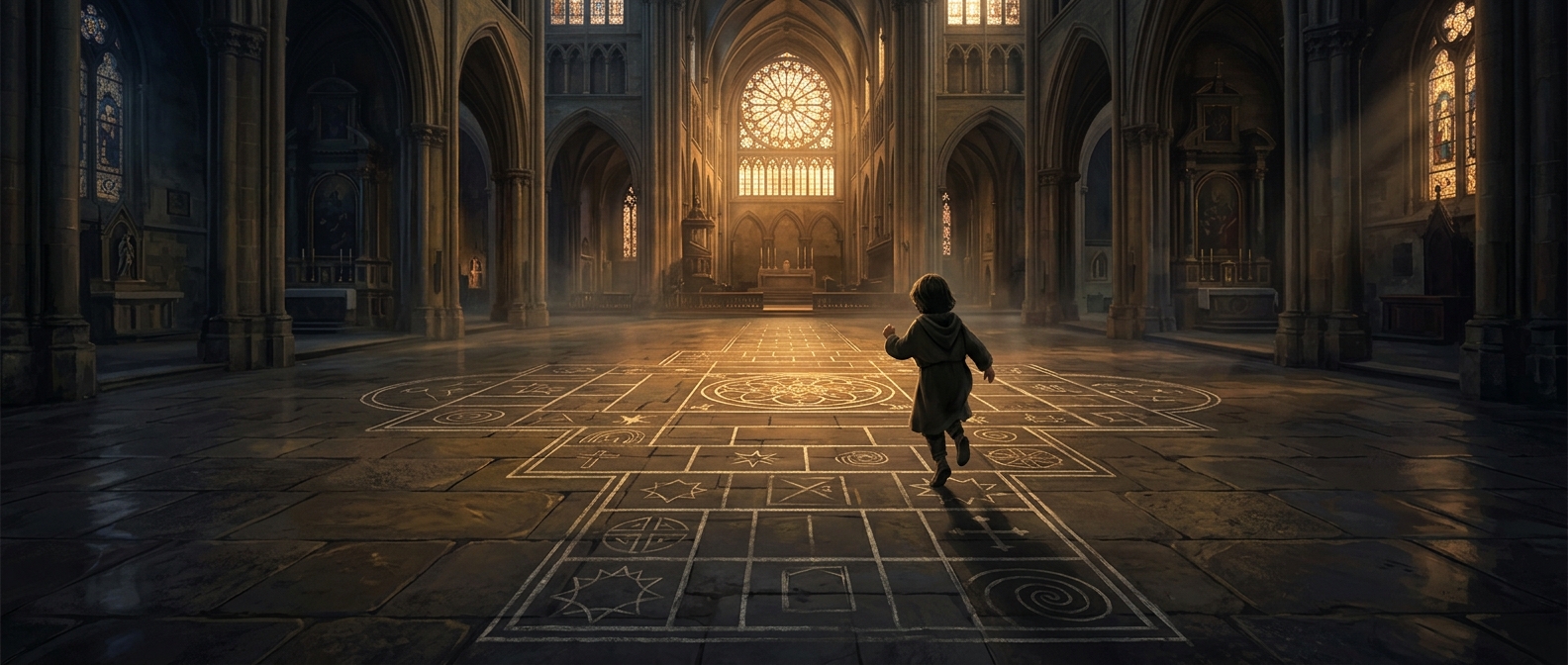
Chalk makes hopscotch easy to set up: a few strokes create a course on pavement, with no equipment to carry or assemble. But the line is a layer of loose calcium sulfate, not paint. When a shoe lands hard or scrapes across it, some particles can break free and rise into the air.
From Footfall to Breath
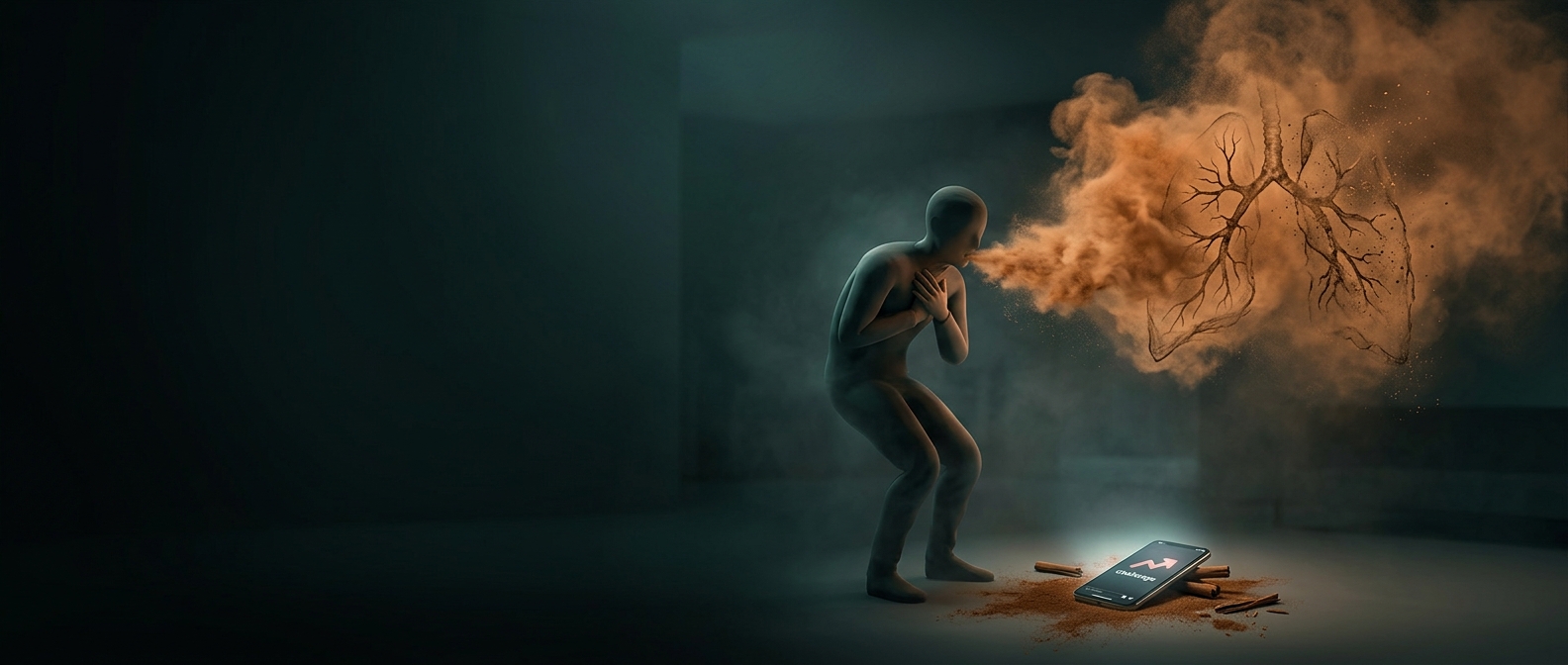
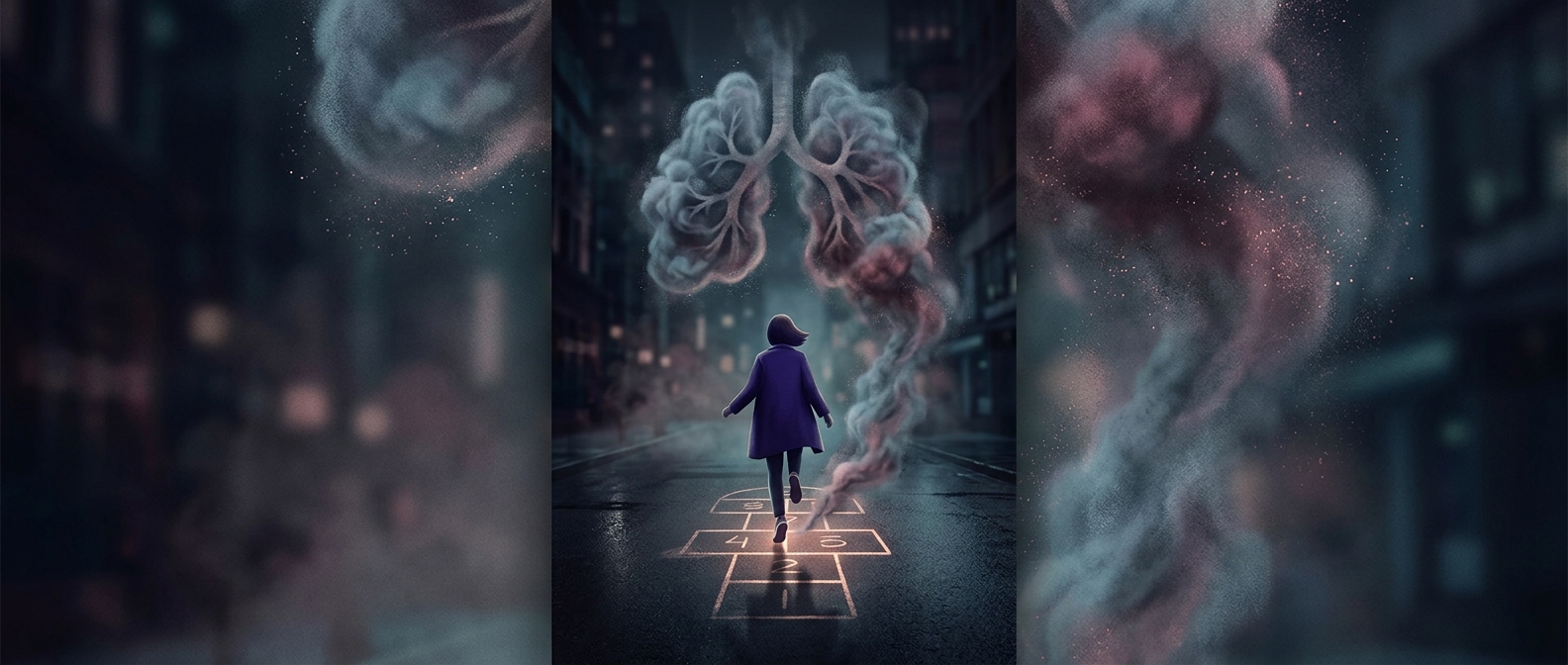
Those suspended particles are what make chalk dust visible. A child nearby may breathe some in before it settles again; larger particles can also drop back onto the ground or clothing. How much becomes airborne depends on the chalk, the surface, and how forcefully players run, jump, and drag their feet, so the fact alone does not establish a particular exposure level.
The same movement that plays the game can also wear down its board. As shoes disturb the chalk, squares may blur and dust may spread beyond the lines—one reason a hopscotch course can need refreshing during play.