What Palm Lines Were Thought to Reveal
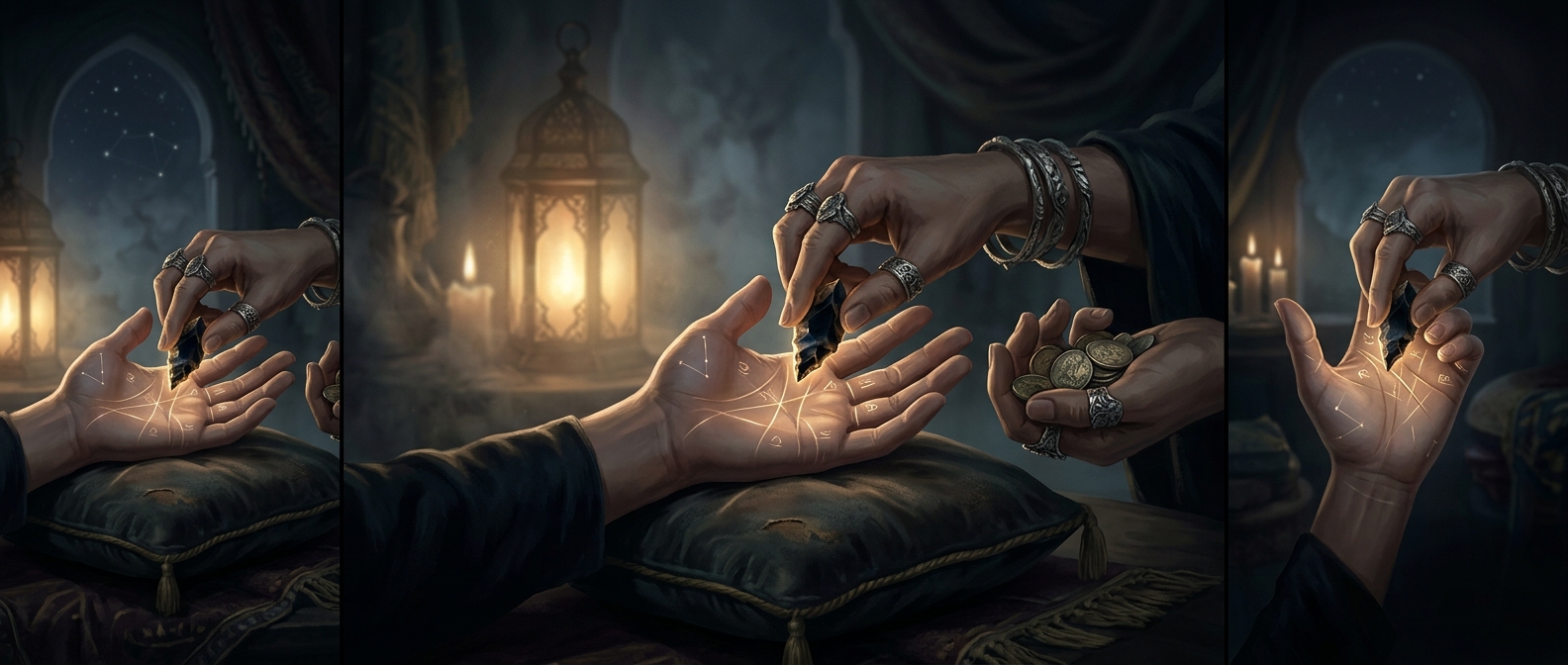
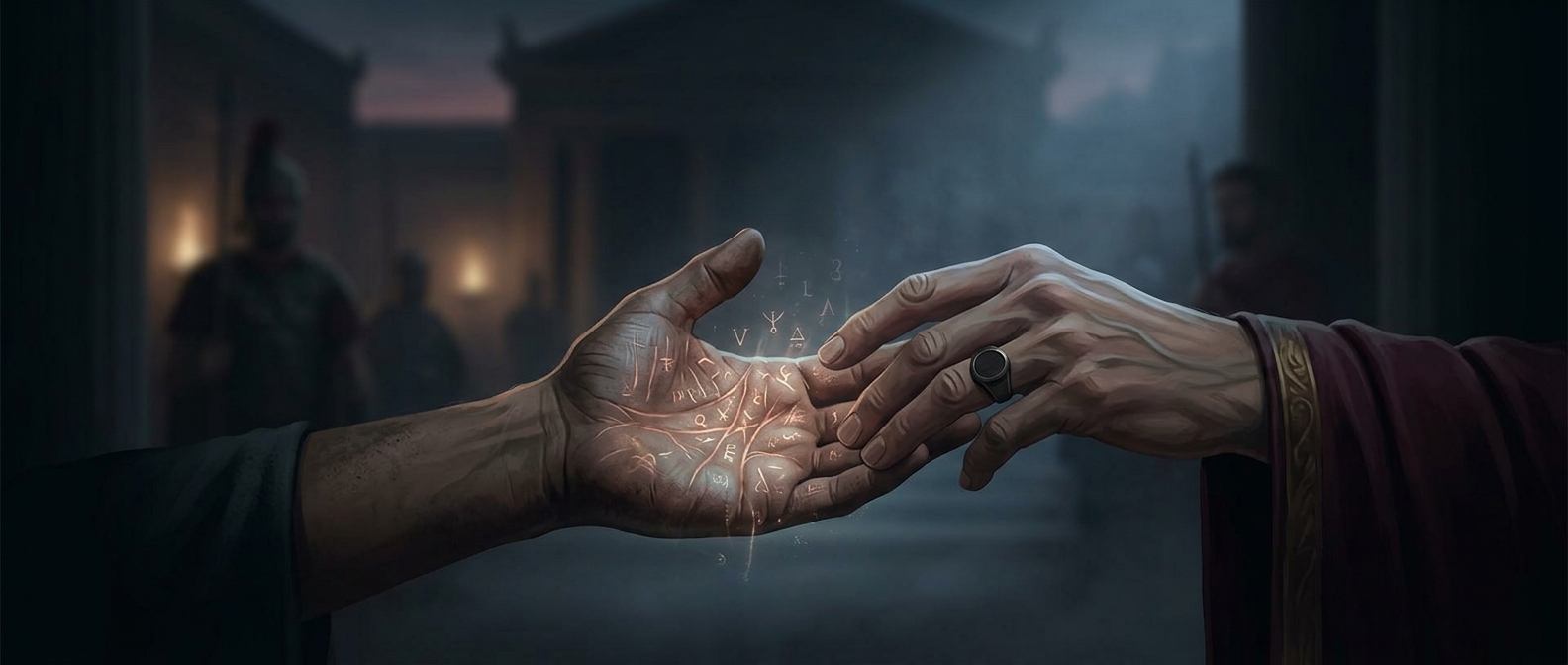
Palmistry—also called chiromancy—treats the lines and shapes of a hand as signs of a person’s character or future. In the story about Julius Caesar, the detail that matters is not merely that he looked at his officers’ palms: it is that a hand was imagined as a readable record of the person who owned it. A crease could be interpreted as evidence of loyalty, ambition, or deceit.
From Physical Marks to Moral Judgments
The logic was symbolic, not a reliable test of honesty. Palm lines form as the hand develops, and their patterns vary from person to person; they do not reveal whether someone is trustworthy. But in a world without modern psychological testing, fingerprint databases, or formal personnel records, bodily signs could seem like clues to an inner nature. Palmistry offered a way to turn an uncertain judgment into something that looked like close observation.
That helps explain why the Caesar anecdote is memorable. A ruler deciding whom to trust faces a problem that cannot be solved by appearance alone. The tale gives that problem a dramatic ritual: inspect the hand, then claim to see the character beneath the skin.
The Story’s Limit
The account is best treated as legend, not as a documented method Caesar used to vet his officers. Its staying power comes from the belief it captures: that a person’s hidden qualities might leave visible traces. The supposed palm-reading scene turns political suspicion into a small, tangible act—Caesar studying a crease as if loyalty could be found there.