Why a delivery can be the main event
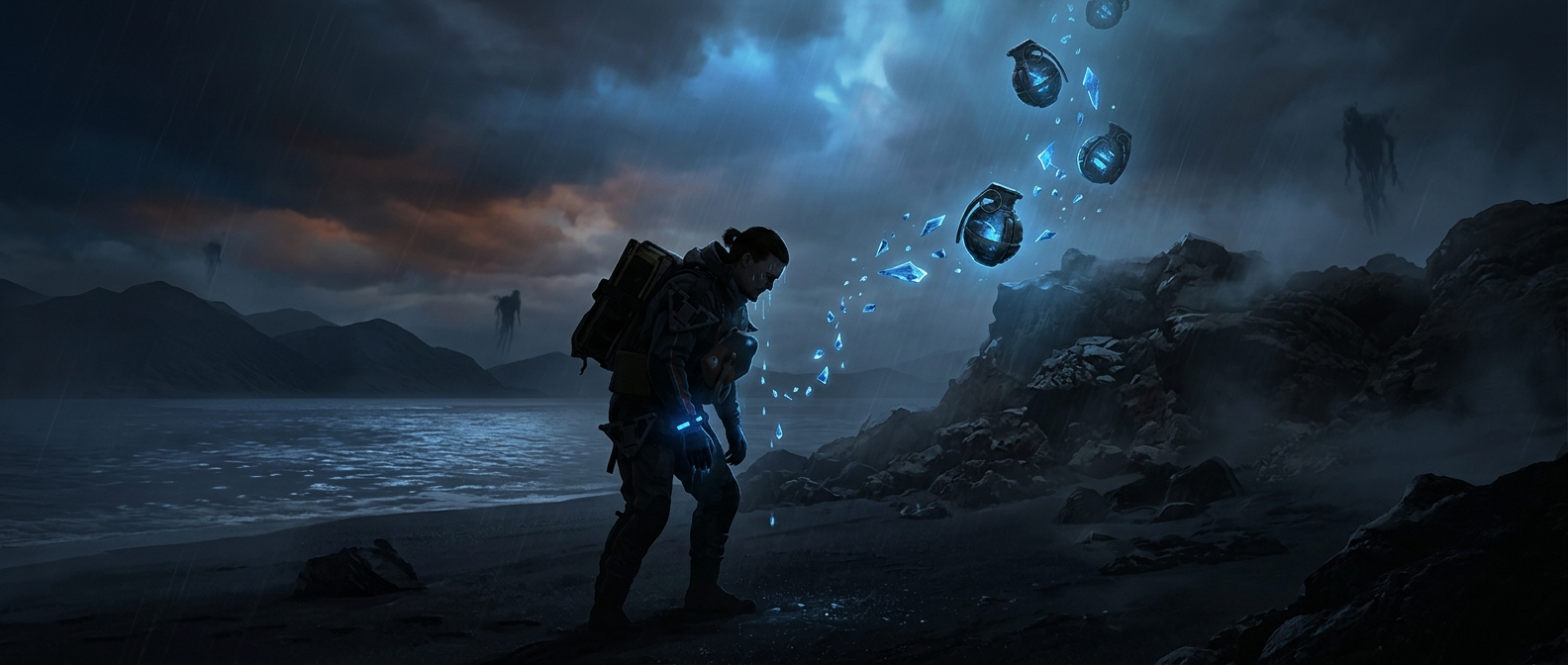
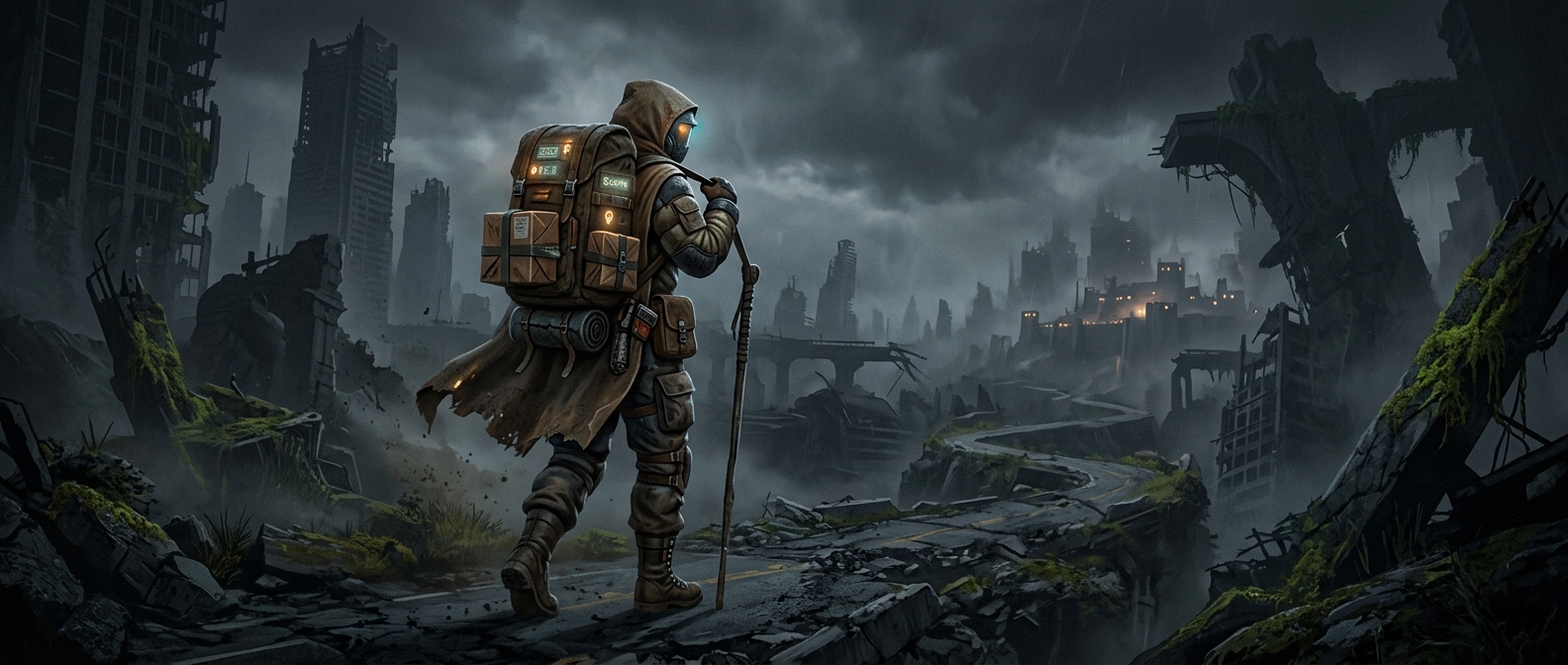
In a conventional action game, carrying a package might be a brief errand between fights. In some apocalypse games, the package is the reason the player has to cross the landscape at all. The challenge comes from getting there with the cargo intact: a steep slope, loose stones, or a hostile encounter can turn a short trip into a sequence of decisions about where to walk and what to bring.
That makes movement itself a kind of problem-solving. A player may choose a longer, safer route, carry tools that help with difficult ground, or accept a risk to save time. Cargo is not just a mission marker; it gives the terrain practical consequences.
A society rebuilt one trip at a time
Deliveries also provide a concrete way to show what “reconnecting” a broken society means. A remote resident is not an abstract point on a map: someone needs supplies, and reaching them requires effort. Each completed trip can make the world feel a little less isolated, while the player’s repeated journeys turn infrastructure and route knowledge into meaningful progress.
The small, sometimes ridiculous requests matter for the same reason. A delivery of underpants sits beside the high stakes of survival and rebuilding, bringing the scale back down to ordinary human needs. That contrast lets a game shift between apocalyptic danger and everyday absurdity without changing its basic activity: someone needs something, and the player has to get it there.