Why Safety Matches Need Their Own Striking Strip
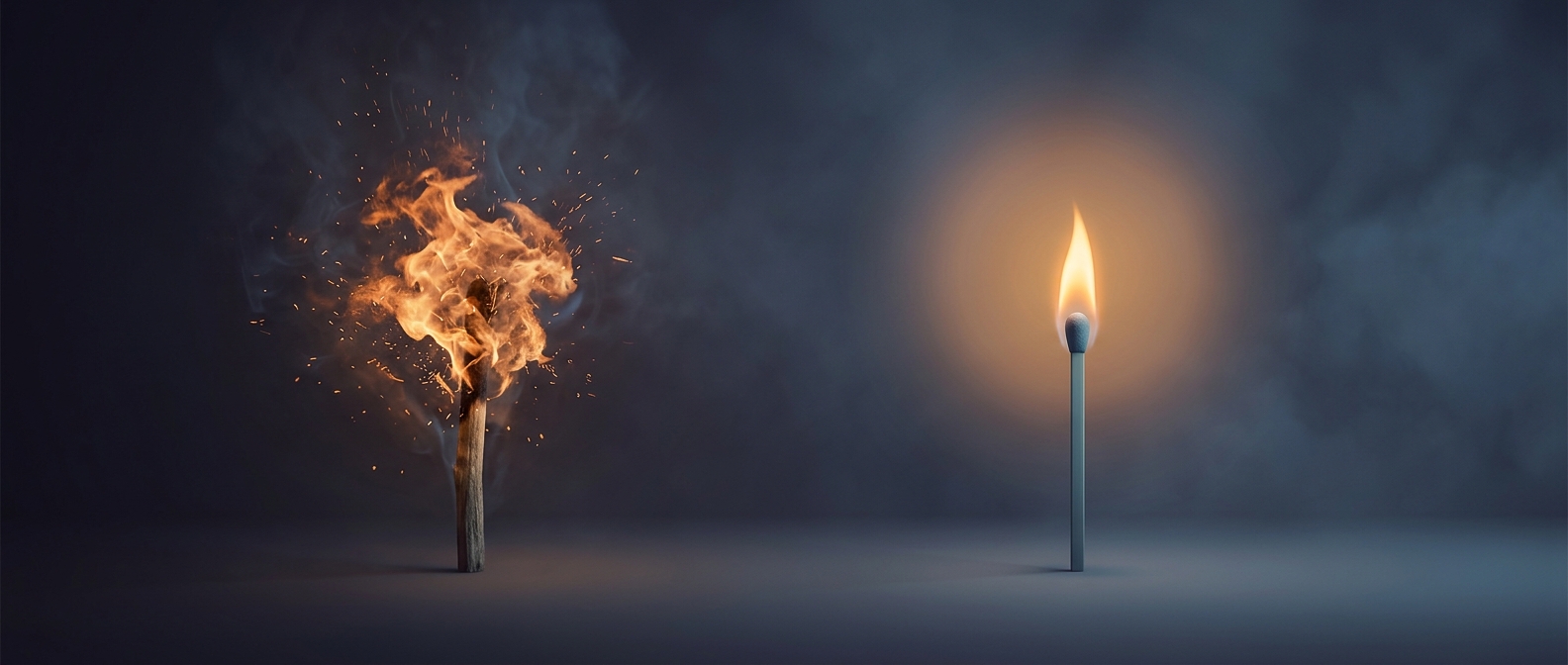
A match lights when heat triggers a rapid reaction in its head. In a safety match, the head contains ingredients that can burn and support burning, while the box’s rough striking strip carries red phosphorus, a chemical that helps start the reaction. Keeping these components apart makes the match harder to ignite by accident.
Friction Starts a Chain Reaction
When the match is dragged across the strip, friction produces heat and brings the match head into contact with the red phosphorus. That contact helps ignite the head’s chemicals; the flame then catches the wooden stem. The strip is not merely sandpaper: its chemical coating is part of the ignition system.
If the ignition ingredients were all concentrated in the head, an ordinary scrape or impact could be more likely to set them off. Separating them means a match generally needs the right combination of pressure, friction, and contact with its designated surface. The design does not make matches harmless, but it makes casual rubbing against pocket fabric far less likely to produce a flame.
The Box Is Part of the Match
That separation changes how the match is carried and used: the striker must stay with the matches, because the head alone is not designed to light reliably against any rough surface. A small strip on the side of the box is therefore doing more than providing grip—it completes the controlled path from a deliberate scrape to a flame.