A blunt tip changes how the shears meet the body
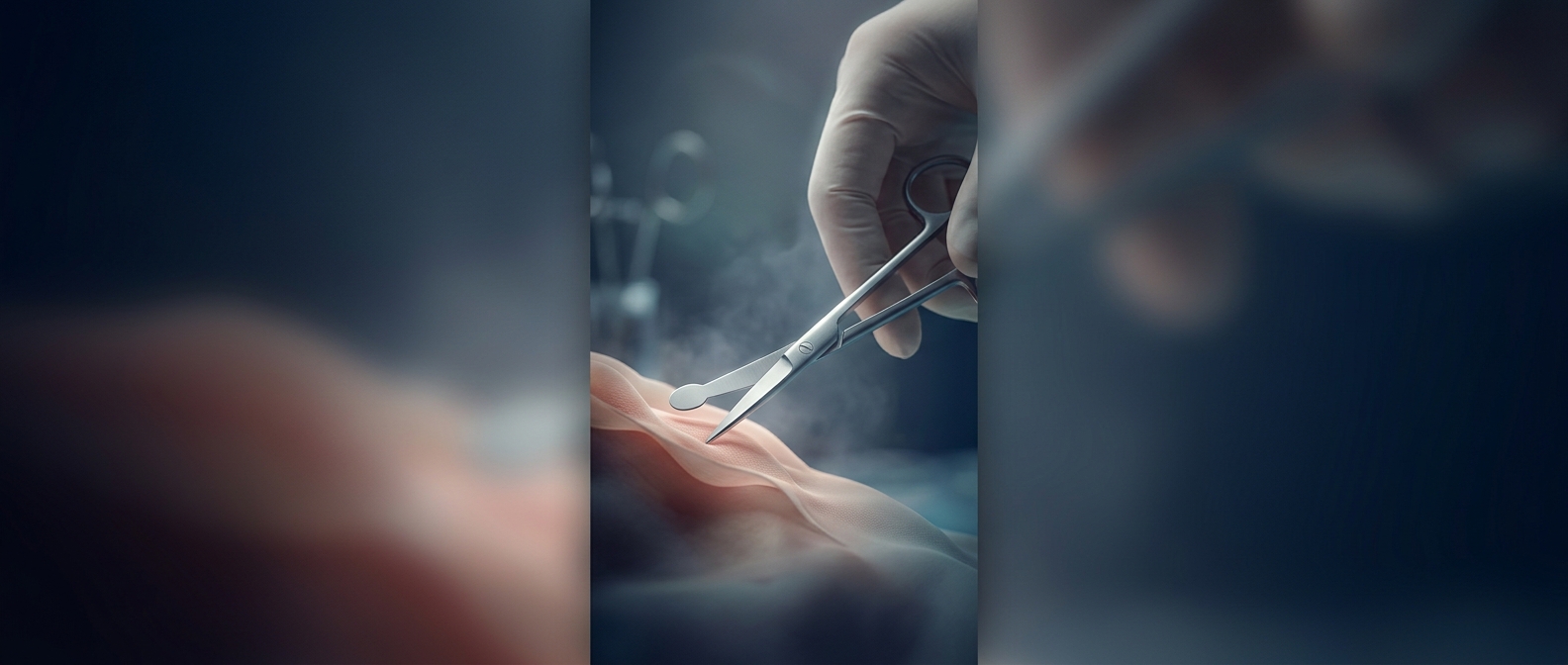
Trauma shears are designed to cut material while staying close to a person’s skin. Their lower blade ends in a rounded tip, which can be eased beneath a sleeve, gauze, or bandage without presenting a narrow point toward the body. Once the material is between the blades, the shears cut as their handles close.
The shape also helps the user work in a cramped, awkward spot. A pointed scissor tip can catch on fabric or press into skin when the tool is slid underneath a layer. A rounded tip is less likely to do that, though it cannot eliminate the risk of injury; the user still has to control the shears and keep the cutting path visible.
Built for force, not delicate trimming
Trauma shears are typically sturdier than ordinary household scissors. Their long handles and short cutting end provide leverage, letting a user apply force through thick or tough material. The blades may also be serrated—formed with small teeth that grip fabric rather than letting it slide away as the blades close.
That combination supports a practical sequence: slip the smooth, rounded lower blade under the material, keep it oriented against the surface, and cut through the layer without needing to pull it far from the body. The blunt blade is not merely a safety cap; it is the part that makes close-to-skin cutting more manageable.