A Deliberate Attack on His Own Reputation
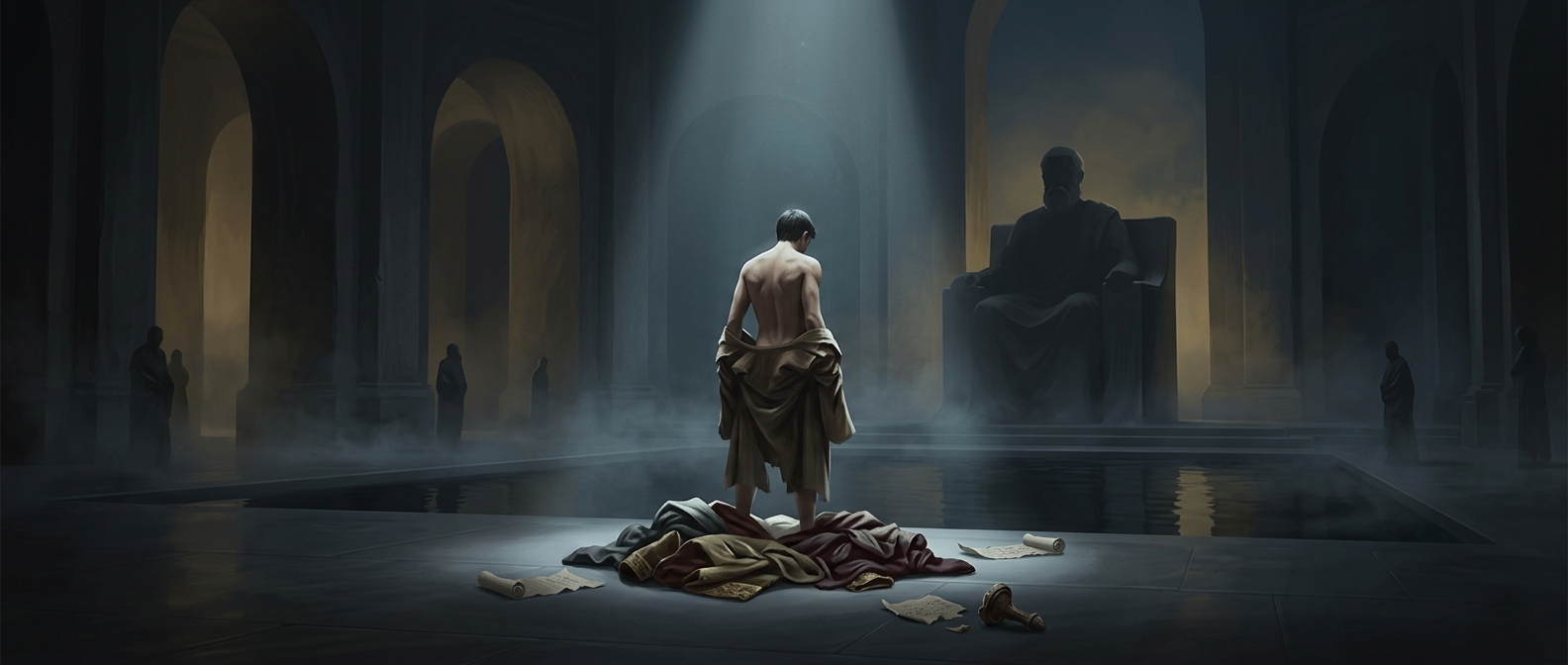
In the traditional account, Simeon entered the city with a dead street dog tied to his waist. The spectacle was meant to repel people and invite ridicule. For Simeon, the point was not shock for its own sake: he feared that admiration for his holiness could feed pride, so he chose to look disgraceful instead.
Simeon is remembered as a holy fool—a Christian ascetic who behaved in ways that appeared foolish or scandalous to undermine social respectability. The dead dog made that strategy unmistakable. Rather than quietly refusing praise, he gave the crowd an image it could use to dismiss him.
Why Disgrace Could Serve as Discipline
The episode turns an ordinary measure of status upside down. In public life, a good reputation can bring trust and honor; in Simeon’s spiritual practice, those rewards were dangerous because they could make devotion feel like personal achievement. By provoking contempt, he put distance between himself and the approval he feared.
That did not make the act a general Christian rule, or mean that every shocking gesture was considered holy. Its meaning depends on the story’s portrait of Simeon: someone willing to surrender social standing as a safeguard against vanity. The dead dog is memorable because it makes that cost visible. He did not merely claim to reject praise; he entered town carrying a sign that ensured people would think less of him.