How aphids stack generations inside one body
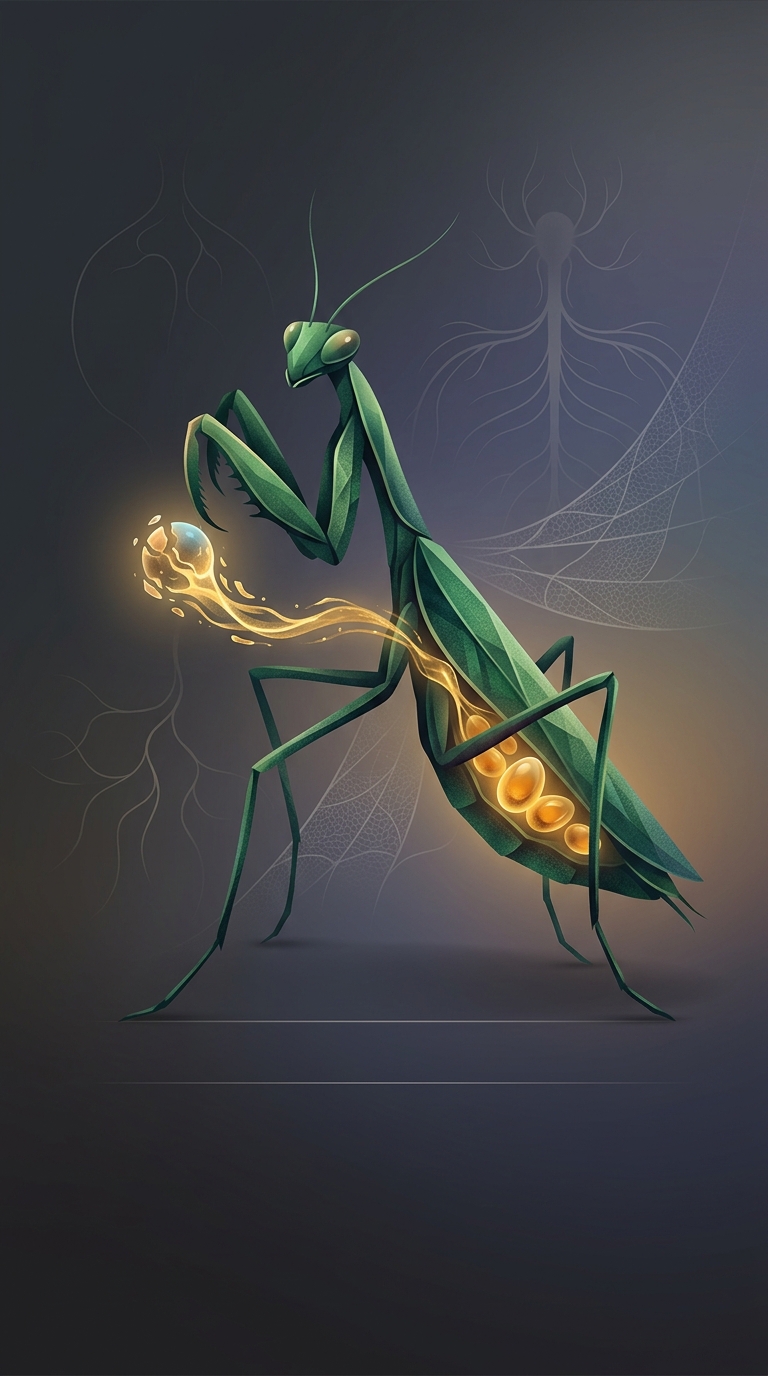
In many aphids, a female does not need to fertilize an egg to produce a daughter. This process, called parthenogenesis, lets an unfertilized egg develop into an offspring. During the growing season, the young are typically born live rather than laid as eggs.
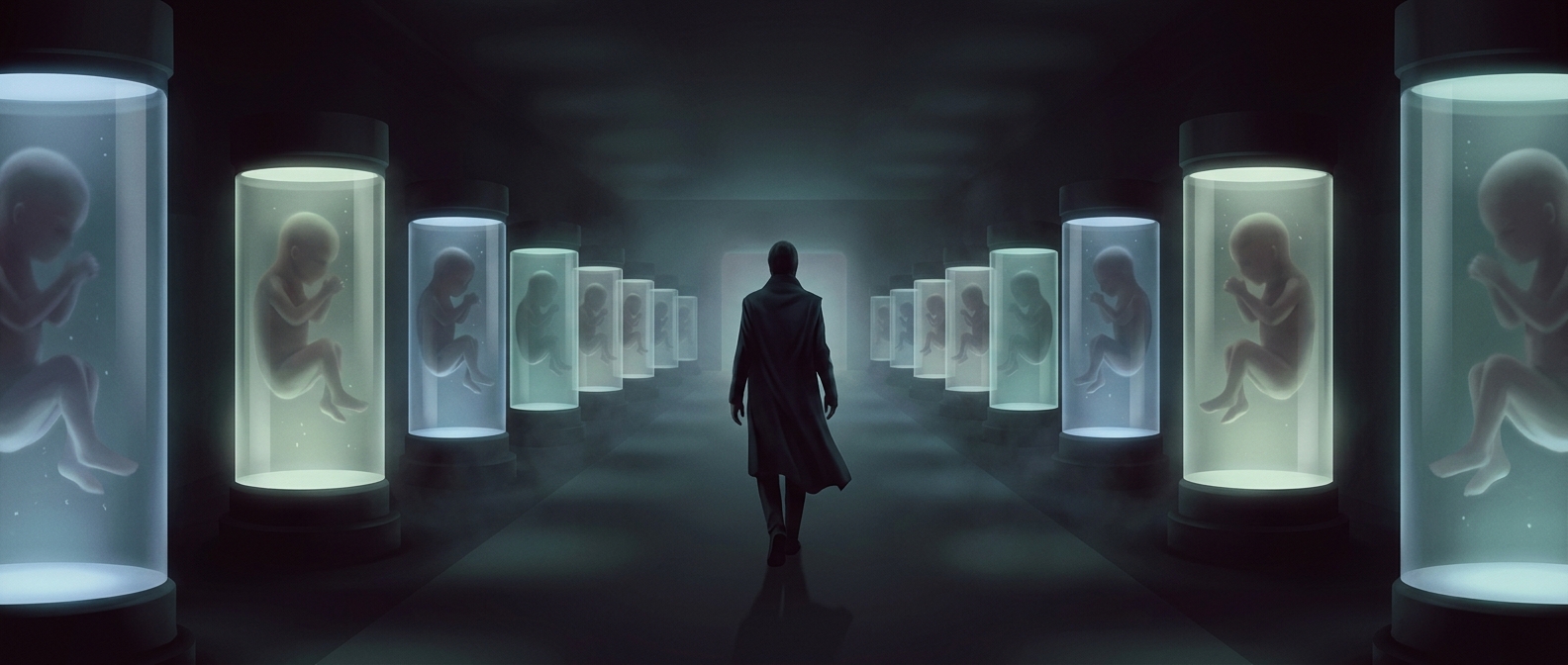
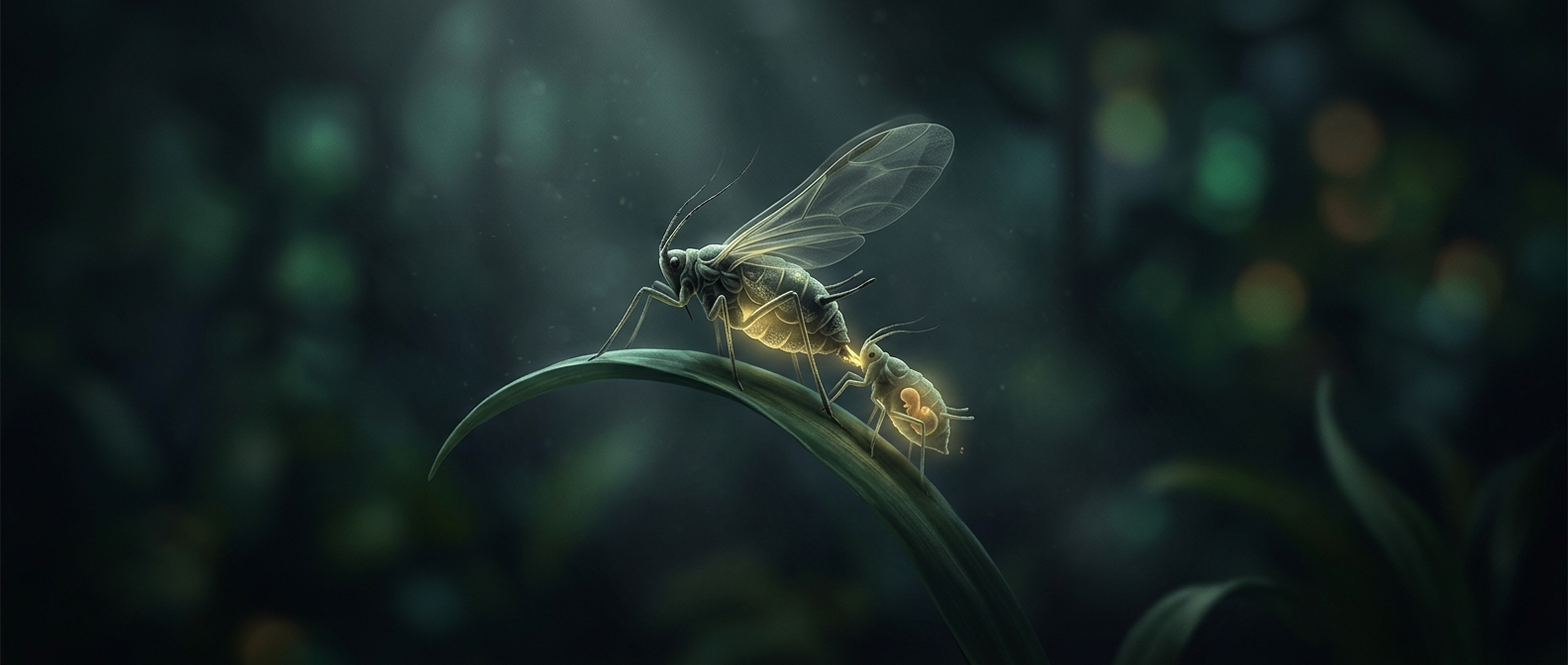
The surprising part is that a developing daughter can already contain tiny embryos of her own. Biologists call this “telescoping generations”: three generations overlap physically, with an embryo inside a developing aphid inside her mother. The nested embryos are not miniature adults; each still has to develop before it can be born and reproduce.
Why this makes colonies grow quickly
Aphids feed by piercing plants and drawing out sap. When a host plant is suitable and conditions allow, females can give birth to daughters that are already developing the next round of offspring. That shortens the wait between generations: a colony can build rapidly without each female having to find a mate first.
This strategy also limits genetic mixing during that phase. Daughters produced without fertilization inherit their genes from one parent, so a successful lineage can multiply efficiently—but it does not gain the same reshuffling of genes that mating provides.
The seasonal shift changes the survival strategy
As day length and other seasonal conditions change, many aphid species produce males and females that mate. Their fertilized eggs can endure cold or other harsh conditions better than active, soft-bodied aphids. When favorable weather returns, the eggs hatch and the cycle begins again.
The result is a striking seasonal tradeoff: rapid multiplication when plants are available, followed by a more durable resting stage when they are not. A single aphid can therefore carry the start of a generation that will only become visible after she—and then her daughter—has been born.