When fatigue filled the cockpit
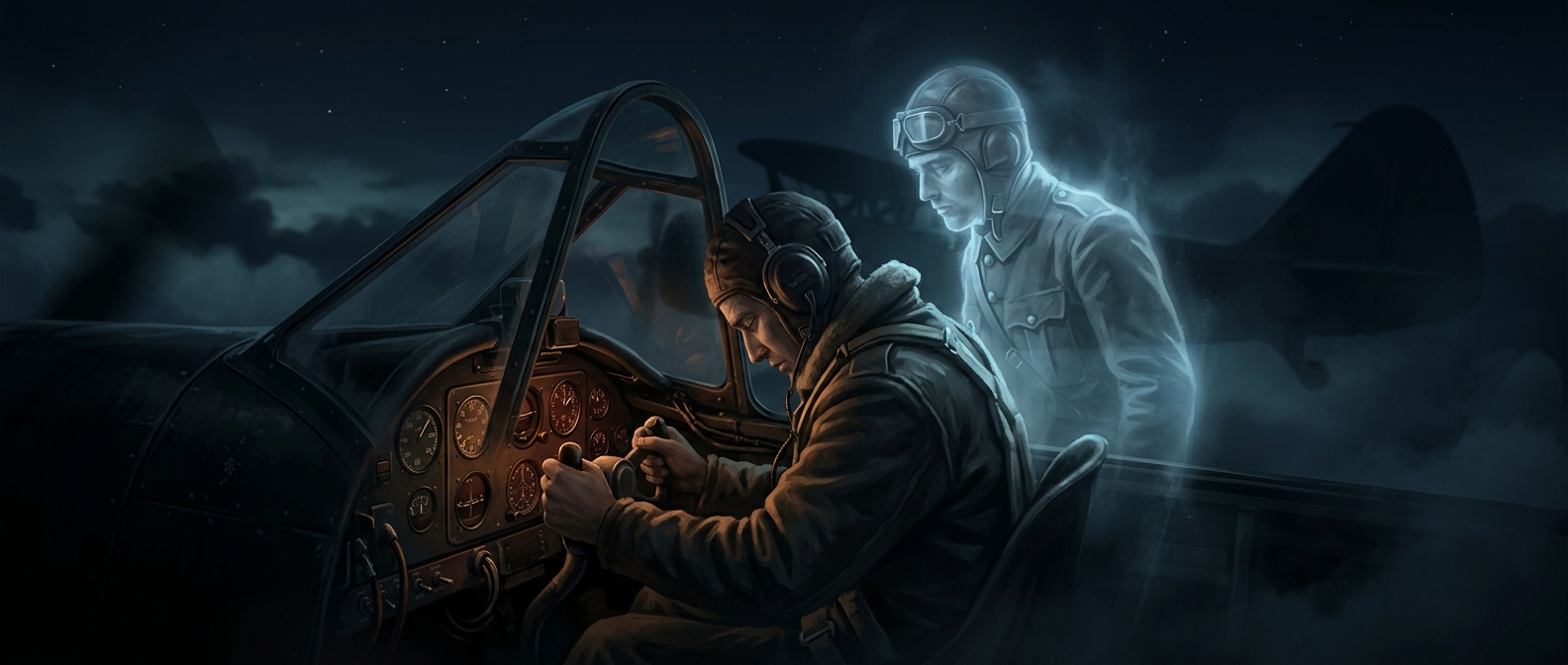
Charles Lindbergh’s solo Atlantic crossing in 1927 lasted roughly 33½ hours, and he had already been awake before takeoff. As the flight wore on, he described seeing shadowy figures and sensing presences in the cockpit—companions who seemed to speak with him. The aircraft was still being flown by one person; the extra crew existed only in his exhausted perception.
How an empty cockpit can seem occupied
Severe sleep loss can disrupt the brain’s ability to distinguish internally generated sensations from events outside the body. A person may briefly see shapes, hear voices, or feel that someone is nearby. These experiences can occur as the brain slips toward sleep, even when the person is trying to stay awake. Fatigue can also bring momentary lapses called microsleeps: seconds-long intrusions of sleep that a person may not recognize.
Long, monotonous stretches of flight offer few changes to hold attention, while a pilot must keep monitoring instruments, course, and the aircraft. That combination does not make hallucinations inevitable, and a reported vision alone cannot reveal exactly what was happening in someone’s brain. But it helps explain how an exhausted pilot might experience an imagined companion as vividly present.
The human limit behind solo endurance
A phantom copilot could not check a heading, notice a developing problem, or take control. The episode makes a practical constraint of solo aviation unusually vivid: endurance is not just a matter of keeping the aircraft supplied with fuel. It also depends on how long one person can remain alert enough to interpret what is happening and act on it. After enough wakefulness, even the cockpit’s apparent occupants may no longer be reliable evidence of who—or what—is there.