How an Elephant and Wet Road Became a TIE Fighter
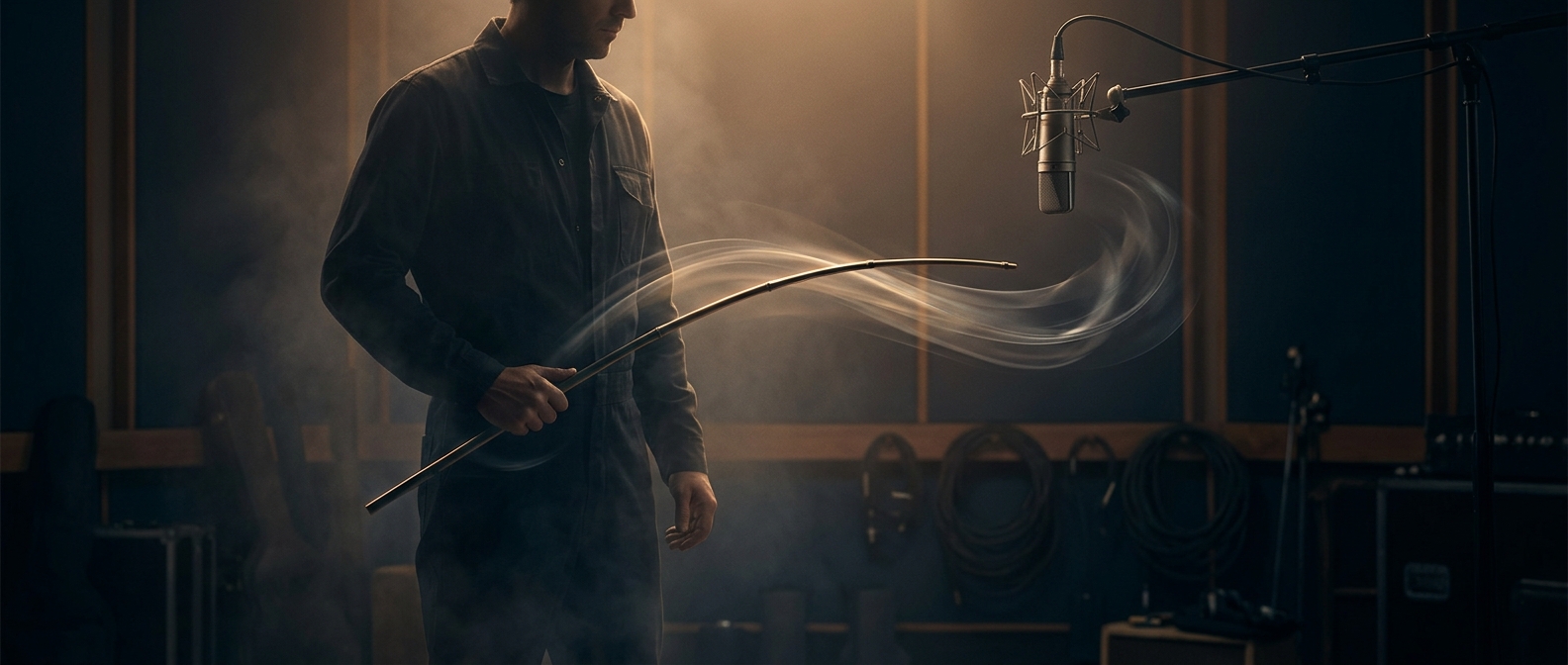
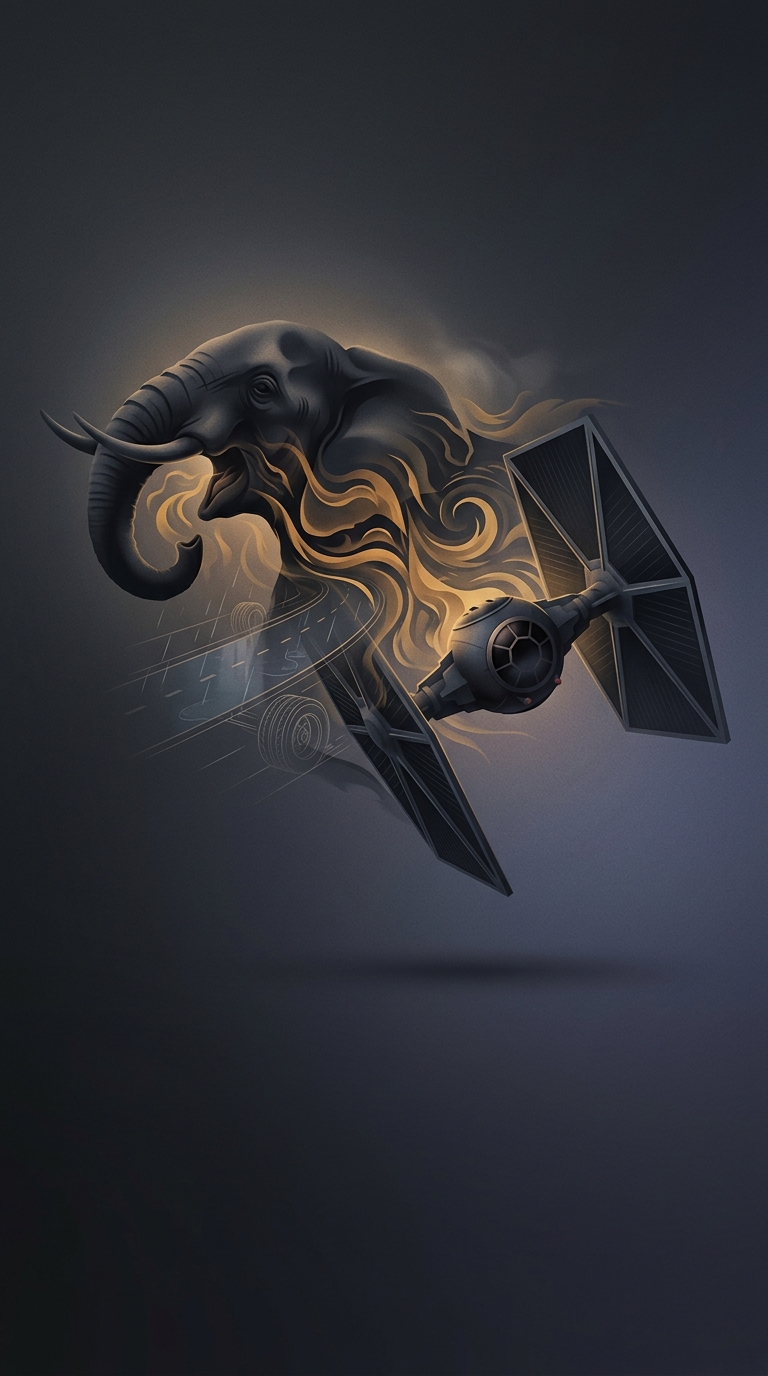
A spacecraft has no real-world sound for a film audience to recognize. Ben Burtt’s solution was not to imitate a machine literally, but to combine recordings that already carried useful textures: an agitated elephant’s vocalization and cars moving across wet pavement. Together, they could suggest both a powerful engine and a harsh, wavering cry.
The trick is in the contrast. The traffic sound evokes movement and mechanical rush; the elephant adds an irregular, vocal quality that makes the result feel less like a steady motor and more like something straining or shrieking. Layering familiar recordings gives the fictional craft a sound that feels tangible without resembling an ordinary vehicle too closely.
A Sound That Gives the Craft Character
That choice also serves the scene. The TIE fighter’s sharp, unsettling noise makes its arrival feel threatening before the audience needs to study its shape or understand its technology. It turns a visual object into an audible presence—and gives viewers a cue they can recognize whenever the fighters return.
The memorable part is not simply that an elephant appears in the recipe. It is that the effect joins two unrelated sounds into one coherent impression: a machine with the force of traffic and the disturbing voice of an animal.