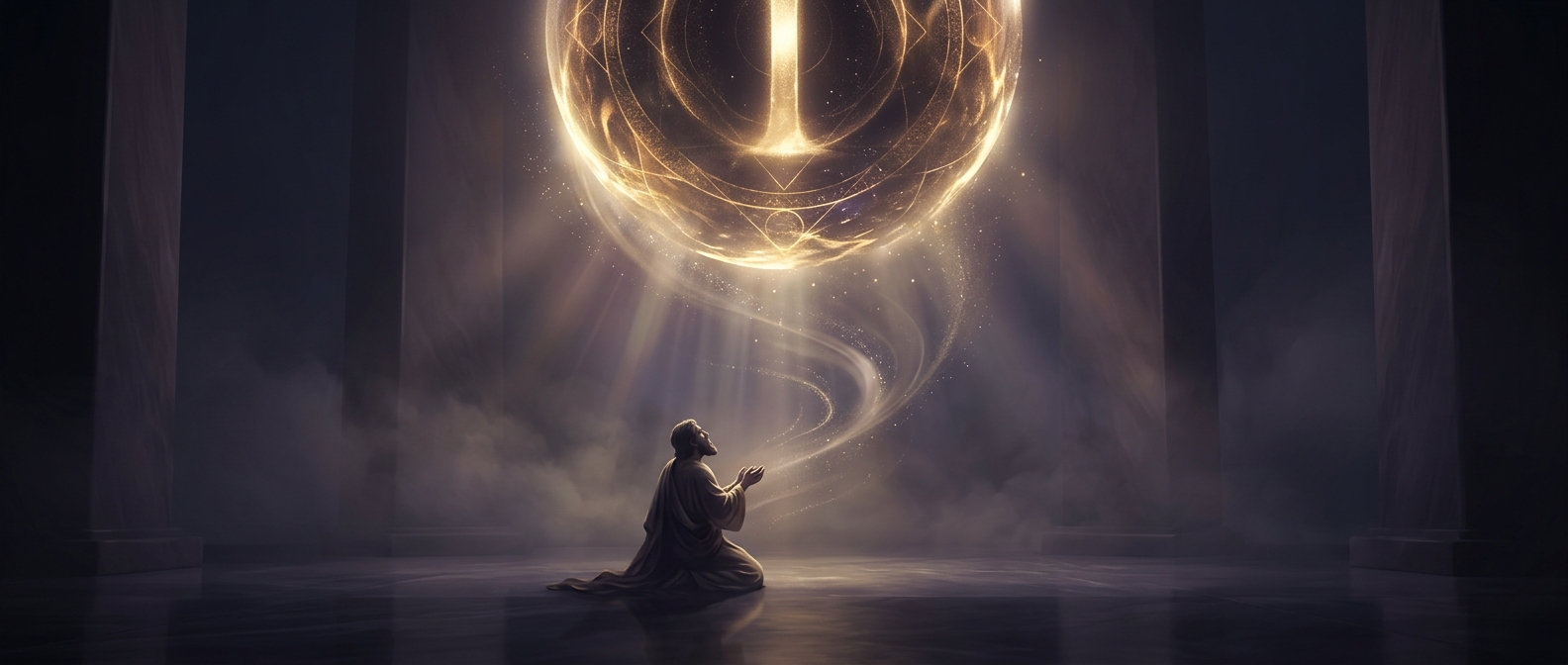
The One Was Not a Giant Being in the Sky
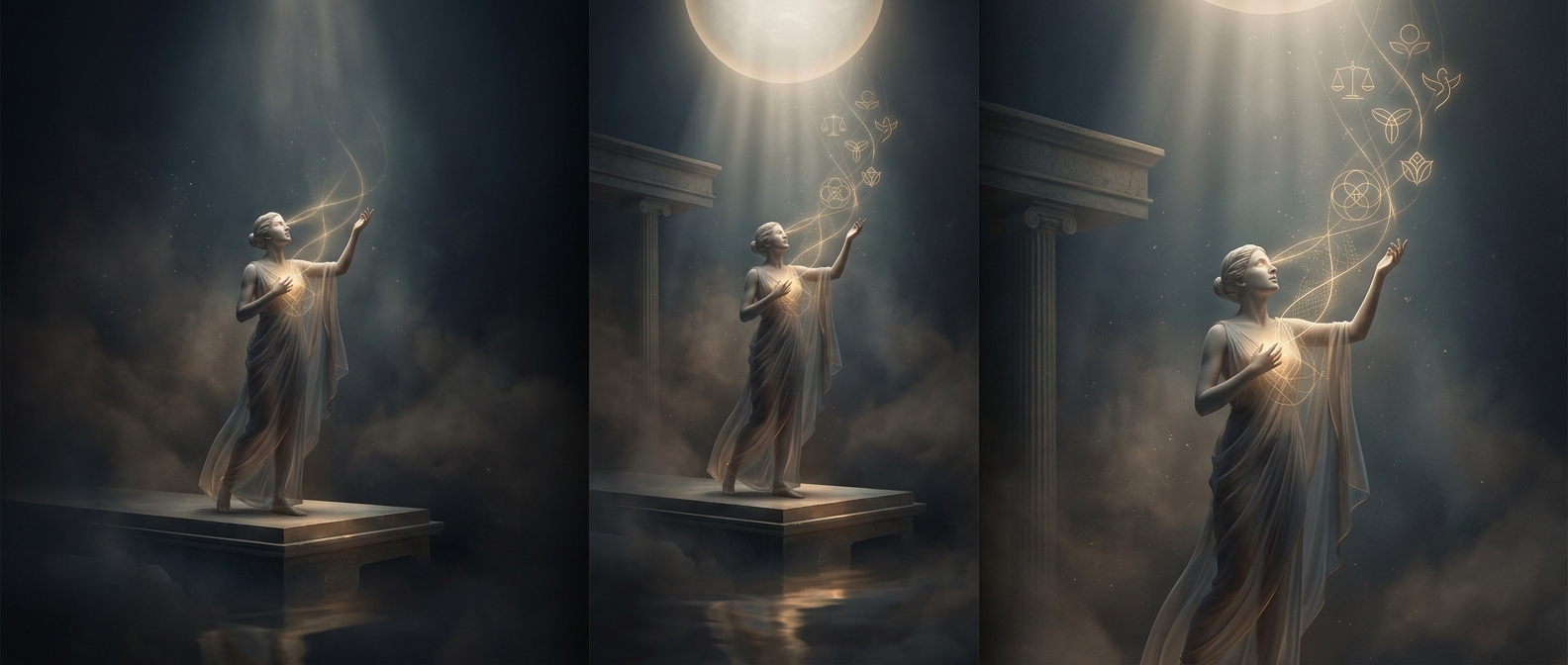
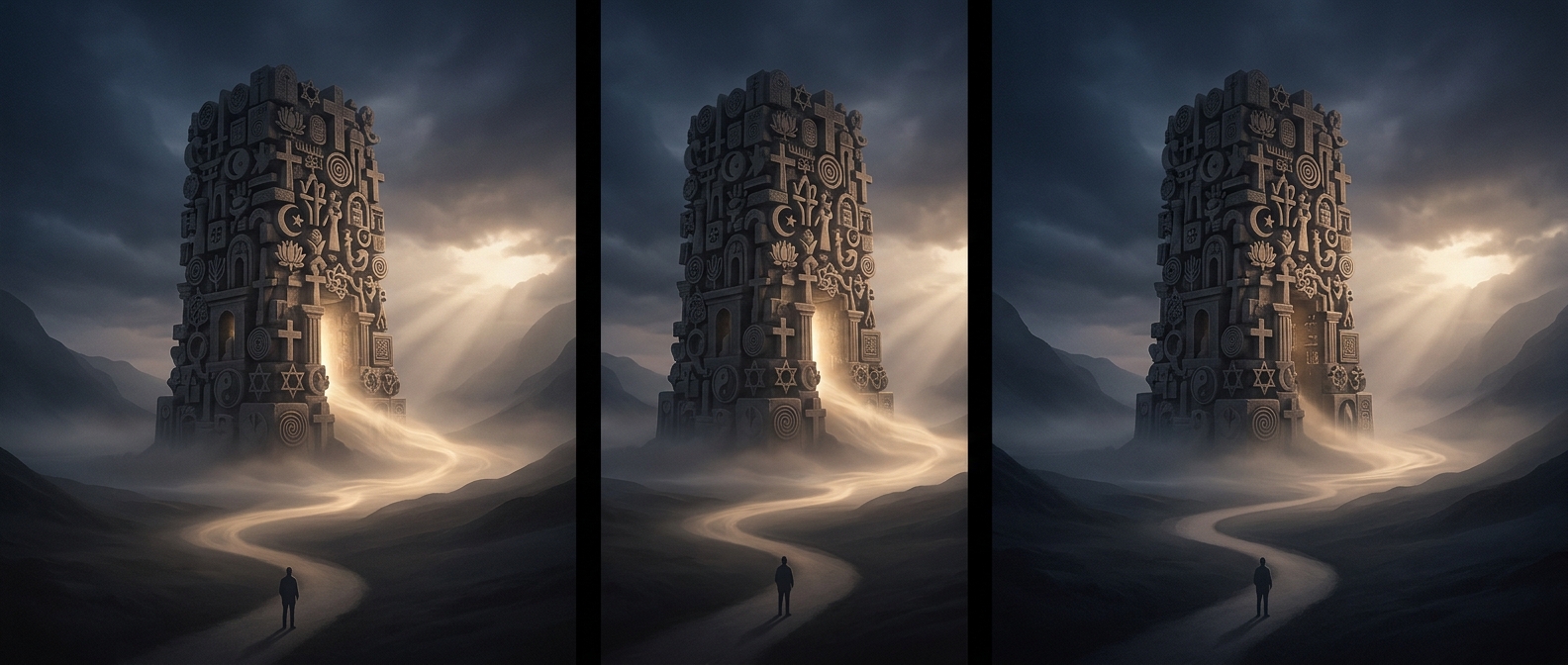
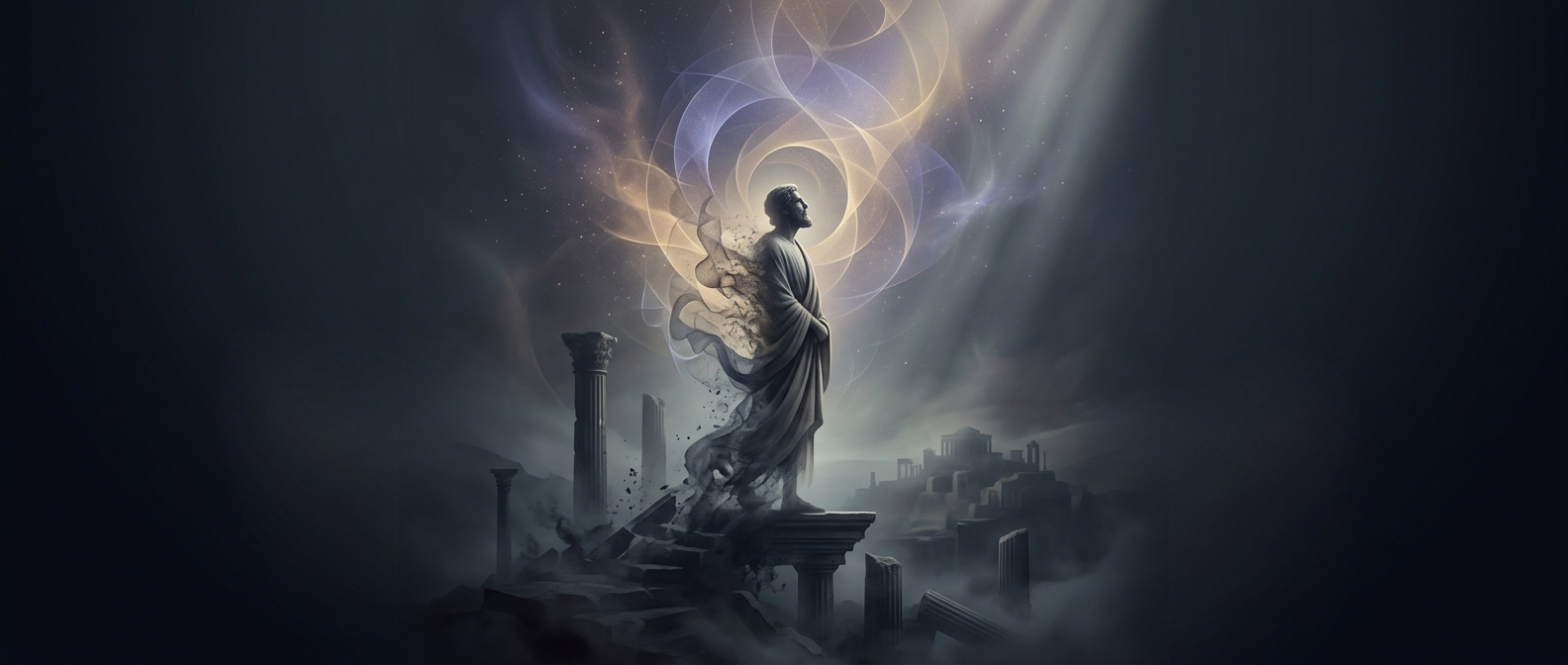
Neoplatonists called the ultimate source of reality the One: not a very large object or a god among other gods, but the principle from which everything else depends. In the philosophy of Plotinus, the One is so fundamental that it lies beyond ordinary categories, even “being” and thought. It cannot be grasped as one more thing to look at or describe.
The name points to unity. The many things we encounter—bodies, minds, and ideas—are distinct and changing. Neoplatonists believed they ultimately depend on a source that is not divided into parts.
Turning Attention Toward Unity
Contemplation was a way of approaching that source, but not by fixing one’s eyes on a visible target. It meant training attention away from the distractions of bodily sensation and the mind’s stream of separate thoughts. A person might first reflect on the order of the world, then on the mind and the timeless truths it can recognize, gradually seeking a more unified awareness.
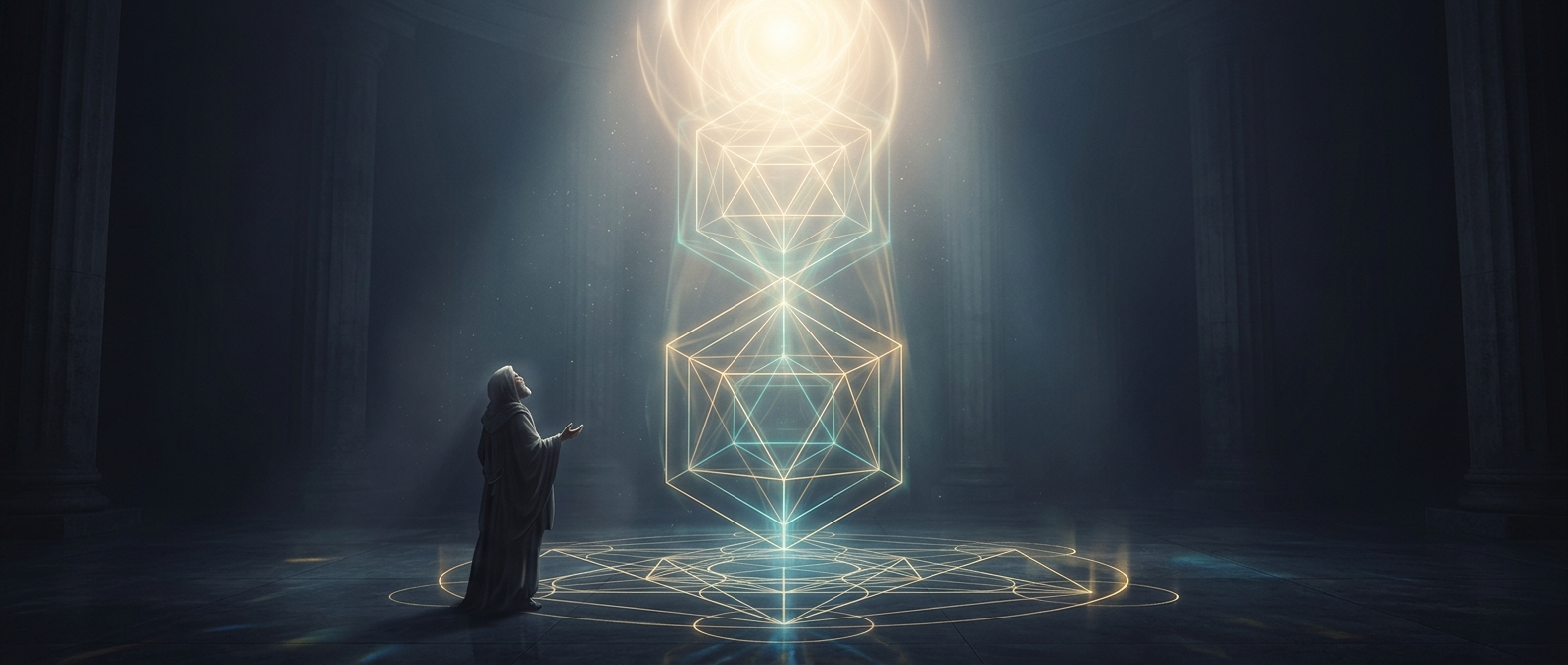
In this system, Intellect is the level of reality associated with intelligible truths, or Forms—the patterns that make things what they are. The soul could turn toward Intellect through reflection; beyond it, the One could not be captured in a concept. The approach was therefore less like studying an object than quieting the distinctions that keep the mind focused on “this” and “that.”
An Aim Beyond Ordinary Knowledge
Neoplatonists treated union with the One as the highest spiritual possibility, not as a routine visual experience. Since the One exceeds thought, reaching toward it meant going beyond the usual act of knowing, in which a thinker stands apart from something known. Their striking image of “staring” at the One is best understood as the mind’s sustained inward attention, aimed at the source of all things rather than at a literal, gigantic entity.