How Clenching Turns Pressure Into Tooth Wear
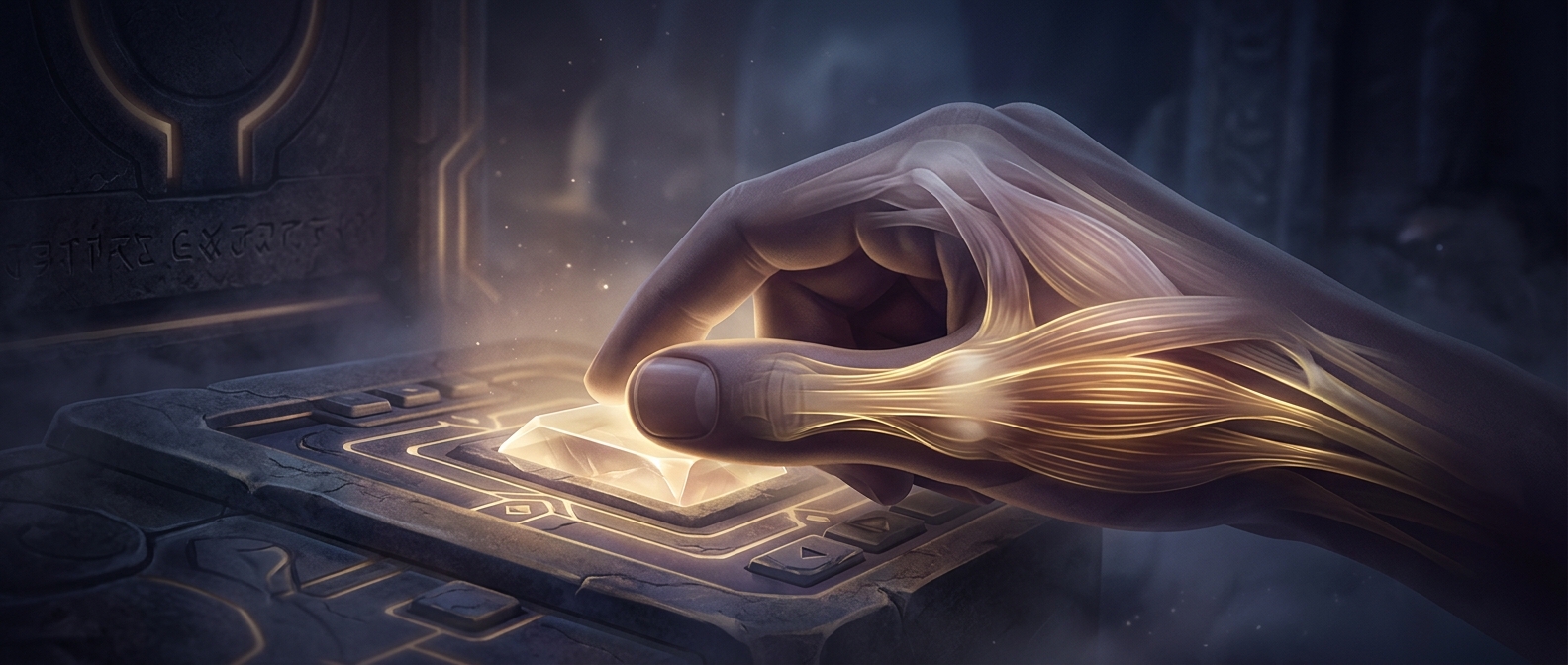
When the jaw tightens, the teeth can press together far harder than they do during ordinary chewing. If they also slide back and forth, the movement is called bruxism—unconscious clenching or grinding that can happen while someone is awake or asleep. Each episode may be brief, but repeated contact concentrates force on small areas of the teeth.
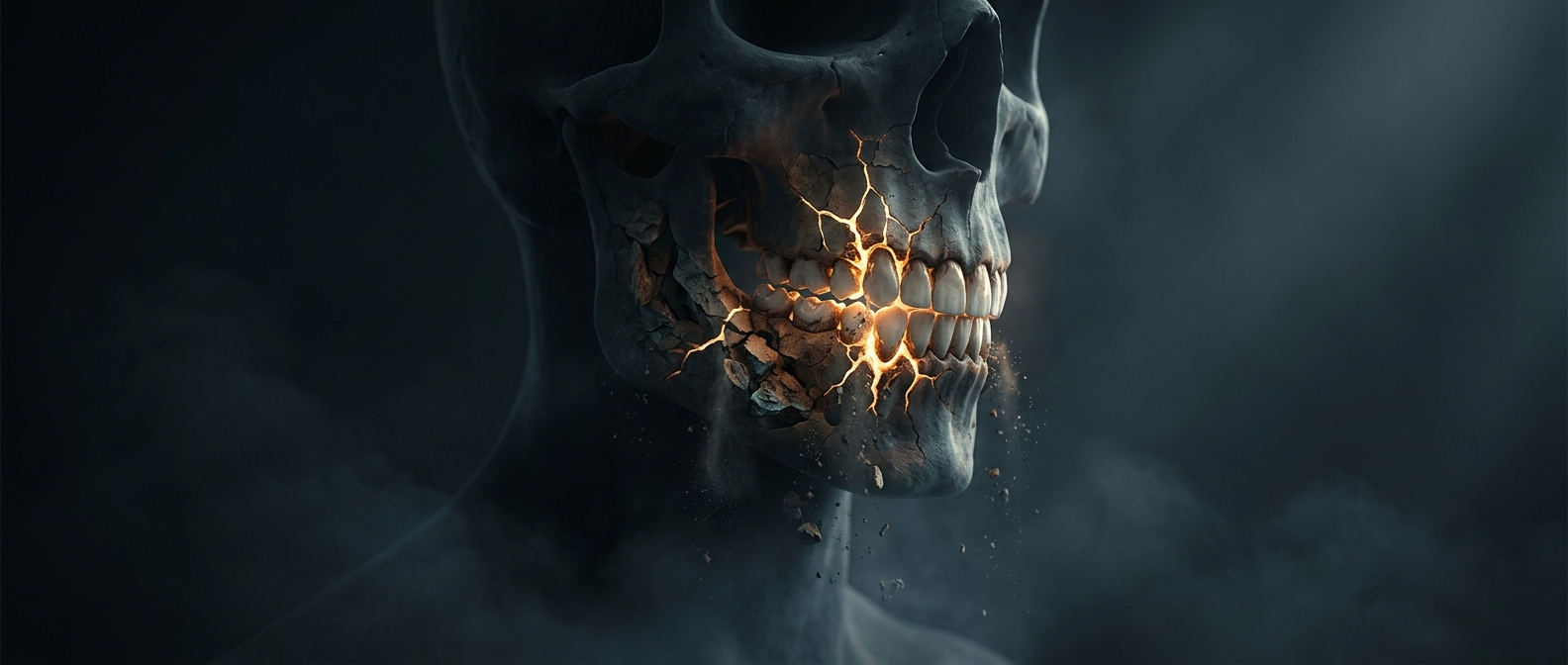
Enamel, the hard outer coating of a tooth, protects the softer layers underneath. It can withstand normal biting, but it cannot grow back once worn away. Grinding may flatten the biting edges, create chips or cracks, and expose more sensitive inner tooth material. The damage can accumulate gradually, so a person may not notice it until teeth become sensitive or their shape has visibly changed.
Why the Damage Can Be Hard to Catch
Sleep grinding is especially easy to miss: the person may be unaware of it, while a partner hears the noise or a dentist spots wear during an exam. Jaw soreness or morning headaches can also accompany clenching, though they do not by themselves prove that grinding is happening. Stress can contribute, but bruxism has more than one possible trigger.
A dentist can assess whether the tooth surfaces show wear and discuss ways to limit further damage. A custom-fitted night guard, for example, creates a protective barrier between the teeth; it does not restore enamel already lost. That distinction matters: the aim is to prevent repeated pressure from turning subtle wear into a cracked tooth or more extensive repair.