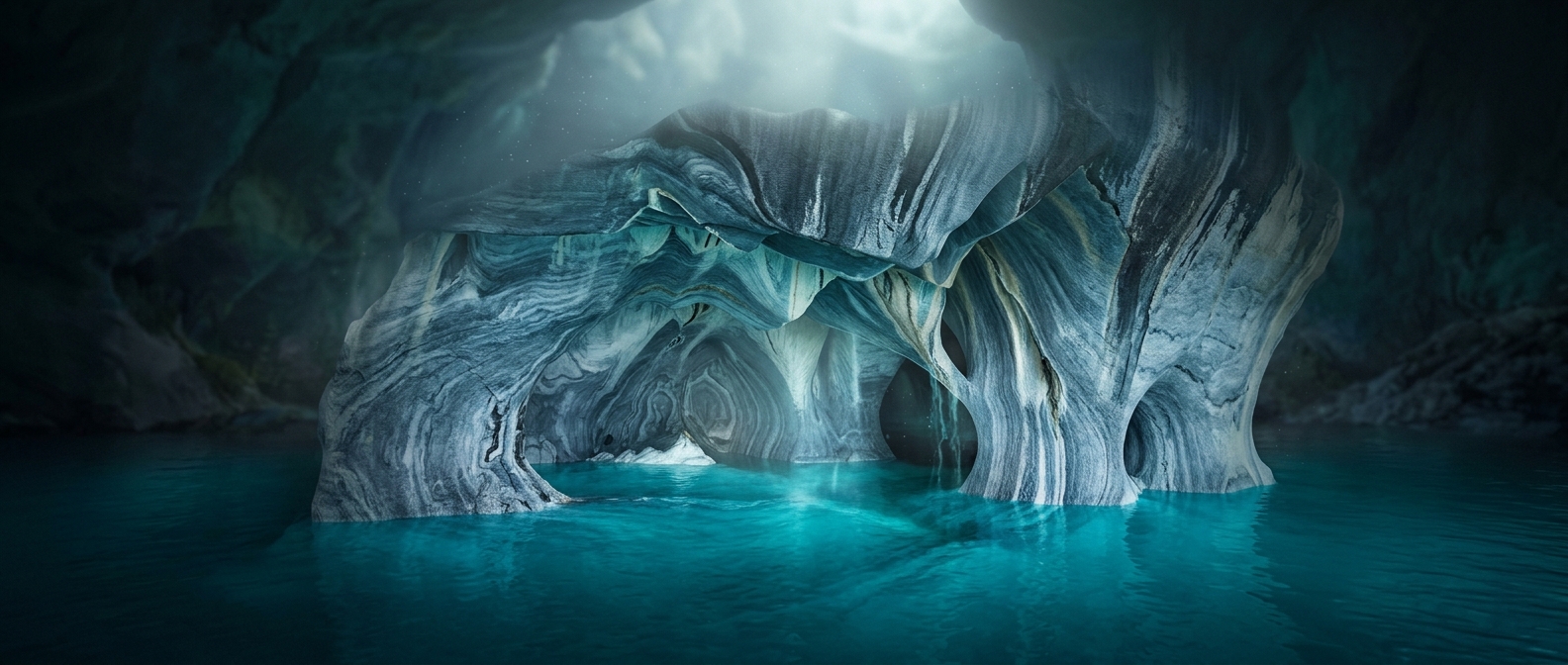
How an underground lake forms in a mined cavern
A lake beneath the ground can begin with an absence: miners remove rock to make a chamber, and water later finds its way inside. Groundwater may seep through cracks in the surrounding material or collect where the cavern’s shape lets it pool. The result is not a natural cave lake so much as a human-made room gradually occupied by water.
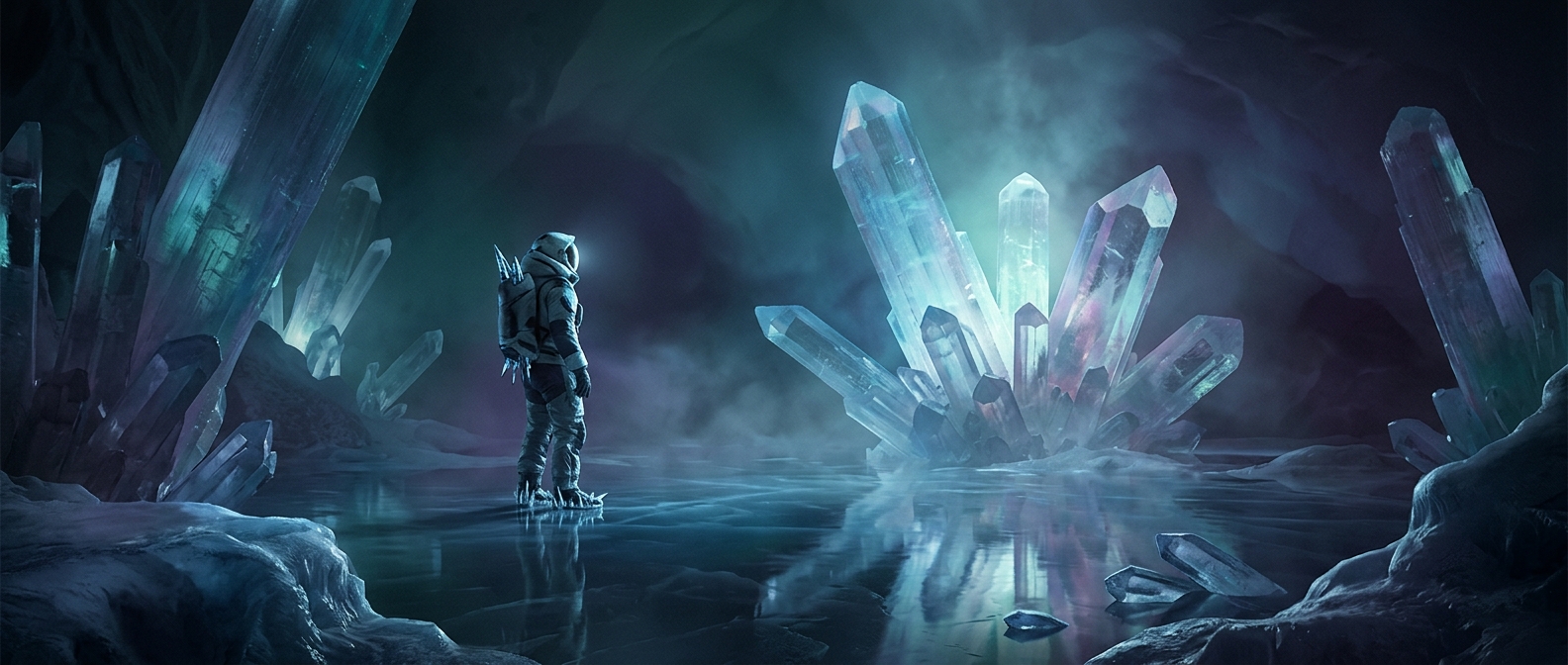
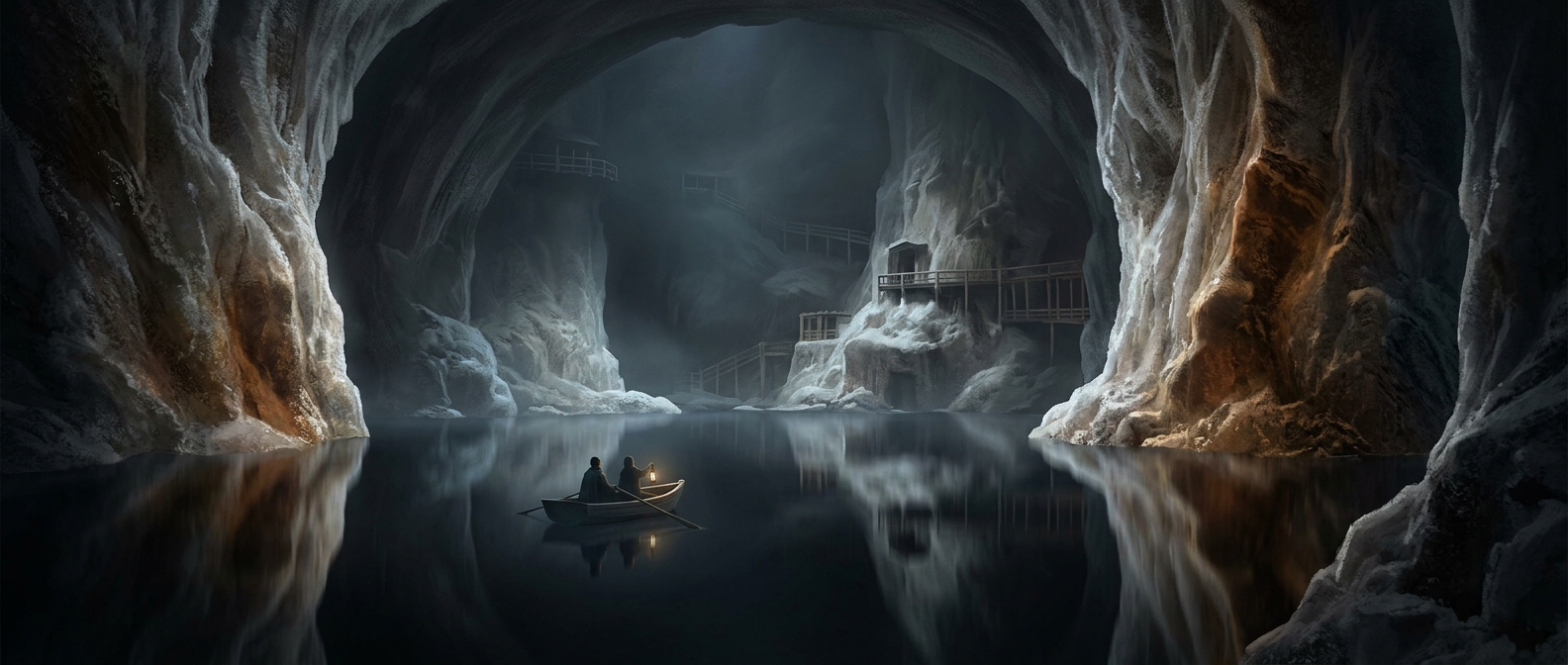
In Romania’s excavated caverns, crystalline-looking walls and a dark, still surface make the space feel unusually otherworldly. The chamber’s scale matters: without daylight or familiar outdoor landmarks, visitors have few cues for judging distance or height.
Why voices seem to travel so far
A cavern has hard, broad surfaces that reflect sound rather than absorbing much of it. A voice can bounce between the walls and ceiling, arriving in delayed fragments that the ear hears as an echo. The same reflections that make a small sound seem to fill the room also make the stillness conspicuous when nobody is speaking.
The water adds to the visual effect. In dim light, a level surface can reflect the cavern walls and lamps, making the boundary between water and darkness difficult to read. The eerie impression comes from ordinary features—excavated space, reflected sound, and pooled water—working together.