How a Crack in the Rock Becomes a Passage
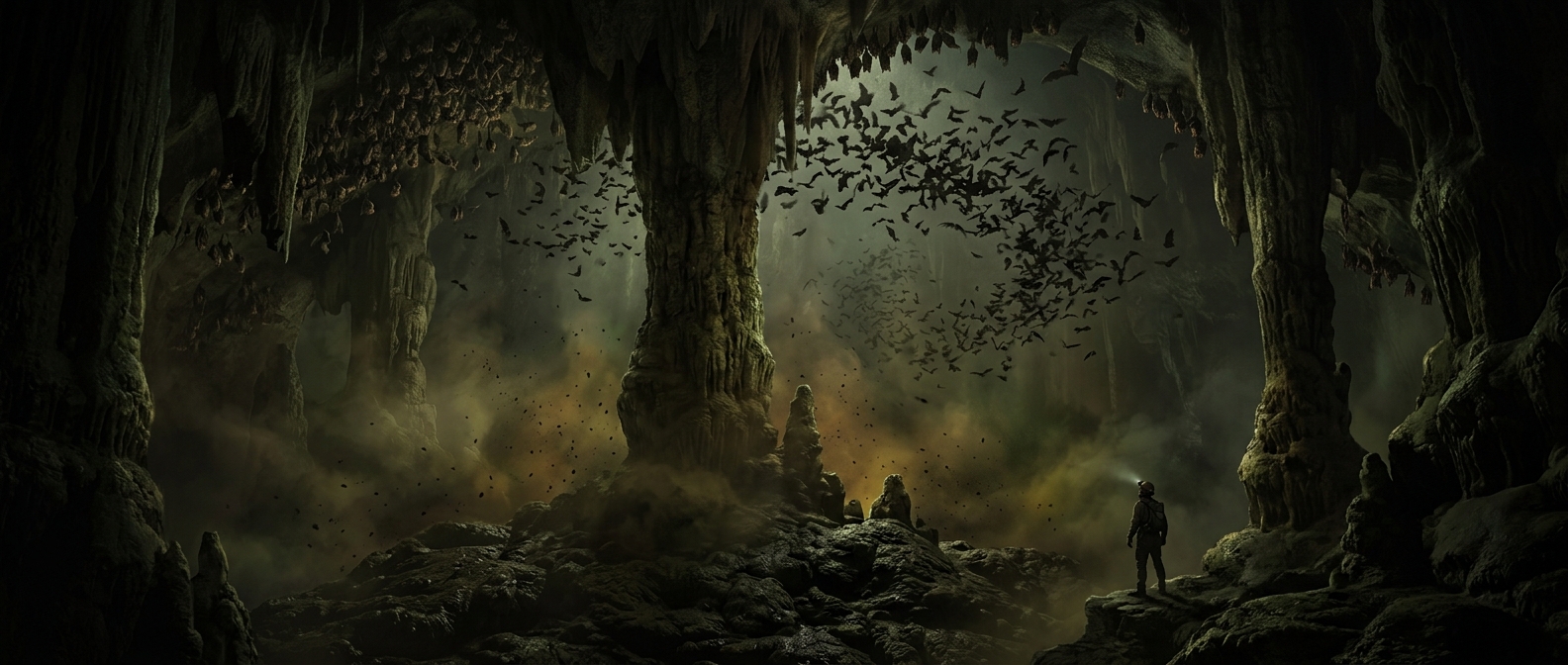
A cave can feel less like a room and more like a fault in the stone. In many South African caves, water slowly dissolves limestone along existing cracks. Over long periods, some cracks widen into chambers, while others remain tight, crooked gaps. The result is an underground route that can alternate abruptly between roomy spaces and squeezes barely wide enough for a person.
Why Visitors Have to Crawl
A narrow passage may be too low to walk through and too confined to turn around in. In the tightest sections, visitors move on their stomachs, pushing forward a little at a time and following the route through the rock. It is not simply a matter of choosing a more comfortable posture: the walls and ceiling leave no room to stand.
That physical constraint shapes the visit. People must pay attention to where they place their hands and feet, and a passage that looks short can feel demanding because there is little space to adjust position. Cave tours that include such sections therefore depend on visitors being able to manage close quarters, not just walk a marked path.
The Landscape Sets the Route
These constrictions are part of the cave’s natural architecture, formed by the way water followed weaknesses in the rock. The same process that opened large chambers also left narrow links between them. The crawl is a close-up encounter with the geology: the route itself preserves the shape of the cracks that water gradually enlarged.