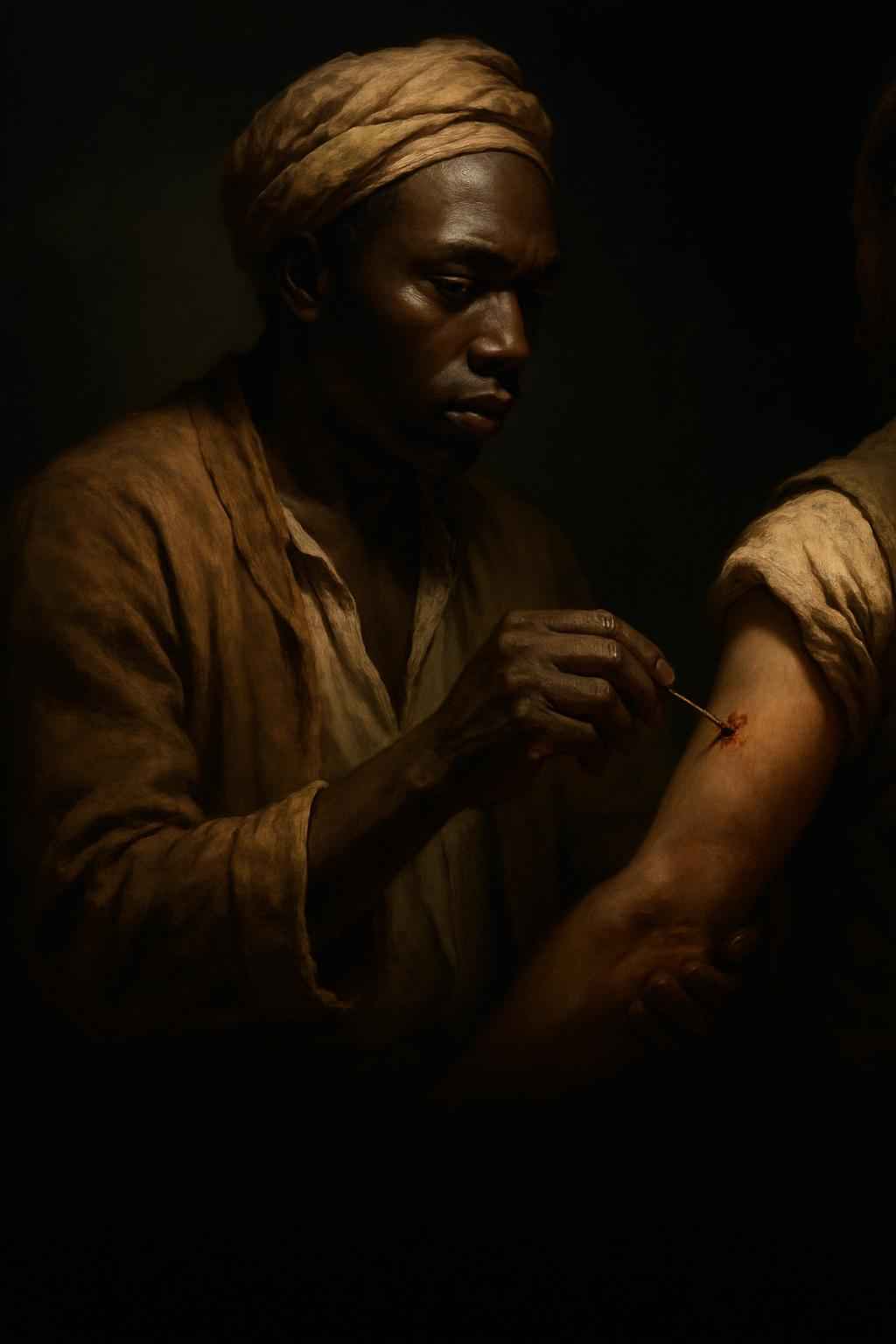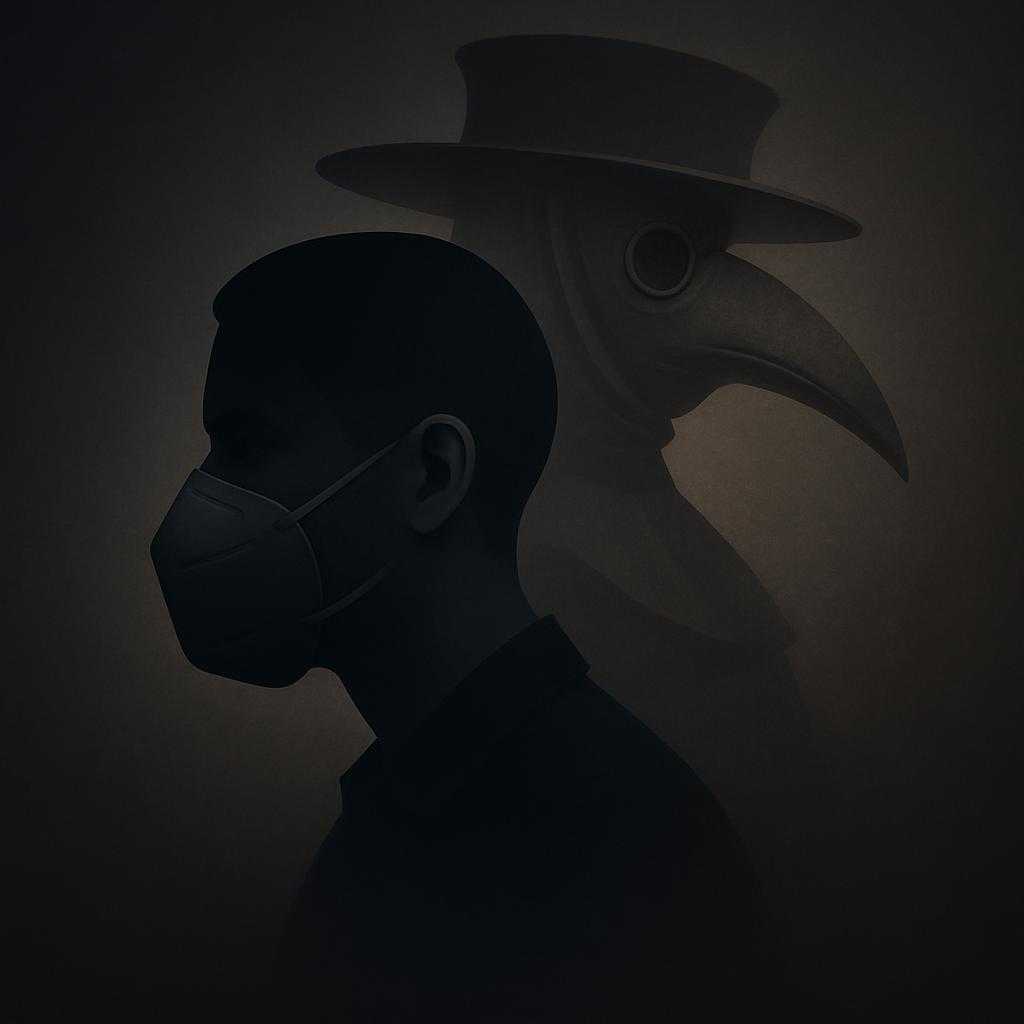
Why the 1918 influenza pandemic became COVID’s historical reference point
The pandemic historians kept returning to was the 1918 influenza pandemic, often called the Spanish flu. It swept across a world already strained by World War I and killed tens of millions of people. Its scale made it a rare modern example of a disease spreading across continents and disrupting ordinary life on a vast scale.
The nickname can mislead: the disease did not originate in Spain. Wartime governments restricted news about outbreaks, while neutral Spain reported more openly, making the illness especially visible in Spanish newspapers. The name stuck even though it says more about wartime news coverage than about where the virus began.
A useful comparison, not the same disease
The 1918 outbreak was caused by an influenza virus; COVID-19 is caused by a coronavirus. Historians and public-health experts compared them not because they were biologically identical, but because both posed a difficult public problem: a contagious respiratory illness could spread widely before communities had settled ways to understand or control it.
The 1918 pandemic also unfolded in waves. As infections rose and fell, officials and residents faced recurring choices about gathering, travel, schools, and public precautions. That pattern gave people studying COVID a historical example of how a pandemic can change shape over time rather than arrive as one brief emergency.
What the comparison could—and could not—tell us
The earlier pandemic offered a point of reference for the scale of disruption and for the challenges of responding amid uncertainty. But it could not serve as a precise forecast. The viruses, medical knowledge, communications, and social conditions differed sharply. The comparison was most useful as a reminder that a fast-moving disease can reshape daily life across generations—and that decisions made during one wave may matter again when another arrives.