The tradeoff inside a rickshaw’s frame
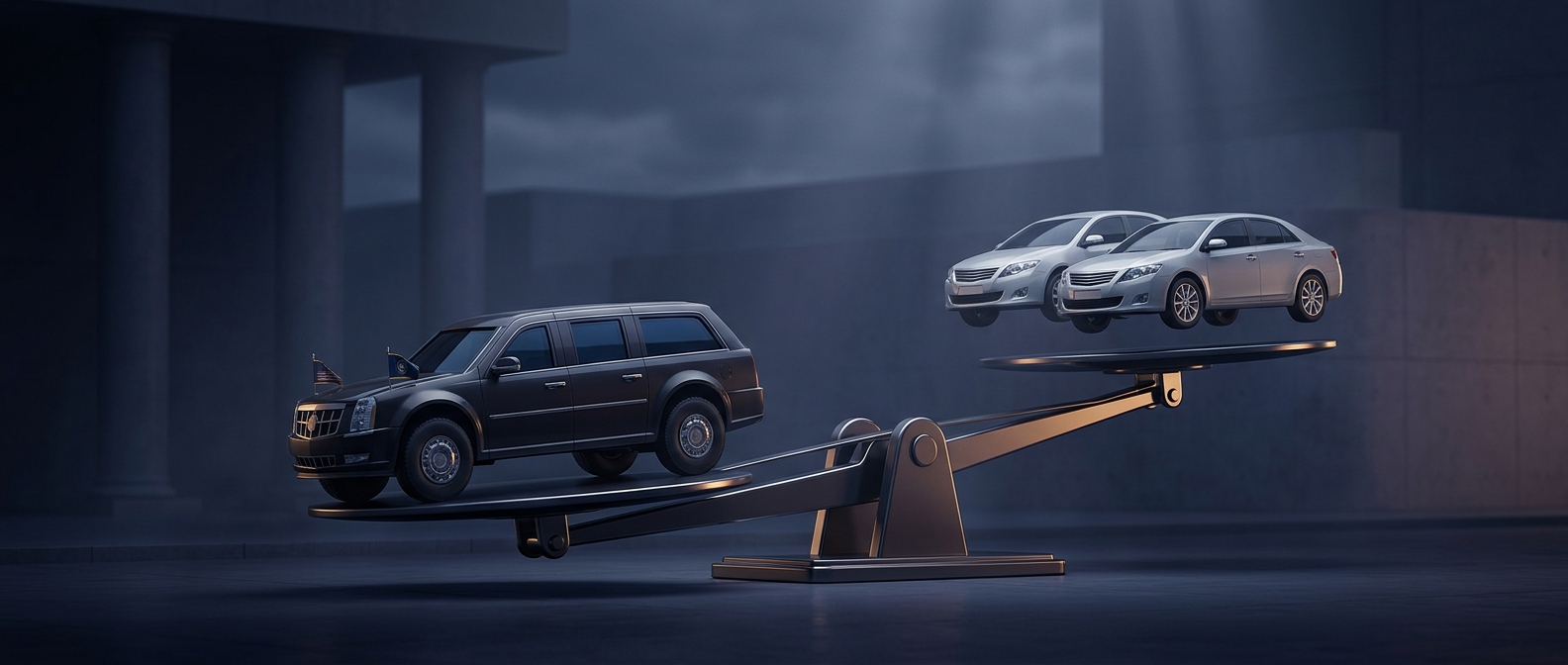
A rickshaw has to carry people and withstand bumps, but its driver must also get the whole vehicle moving. That makes every part of the frame a tradeoff: more material can add strength, while also adding weight that must be pulled or pushed on every trip.
The extra effort is especially noticeable when starting from a stop, climbing a slope, or accelerating with a passenger aboard. A heavier vehicle takes more force to set in motion. Keeping the frame light reduces that burden, leaving more of the driver’s effort available to move the passenger rather than the vehicle itself.
Light does not mean flimsy
The frame still needs enough strength to support its load and handle repeated jolts from uneven streets. Builders therefore have to use material where it does useful work—supporting the passenger and connecting the wheels—without adding unnecessary bulk. The aim is not the lightest possible vehicle, but one that is light enough to propel and sturdy enough for everyday use.
That balance also affects what the rickshaw can carry. A heavier frame consumes some of the capacity the driver can manage; a carefully built one reserves more of it for passengers or cargo. In a vehicle powered by human effort, an apparently small design choice becomes work the driver has to repeat with every start, turn, and hill.