Why a wave’s direction matters
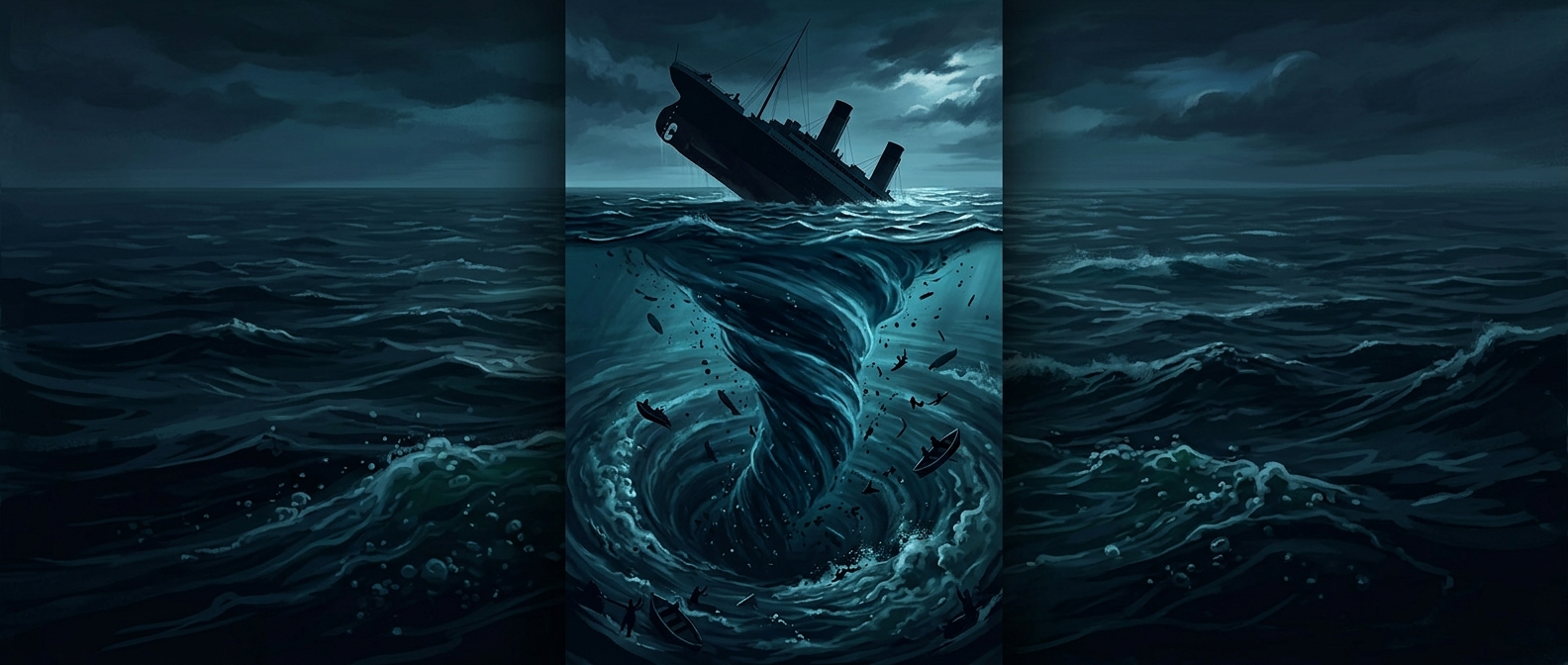
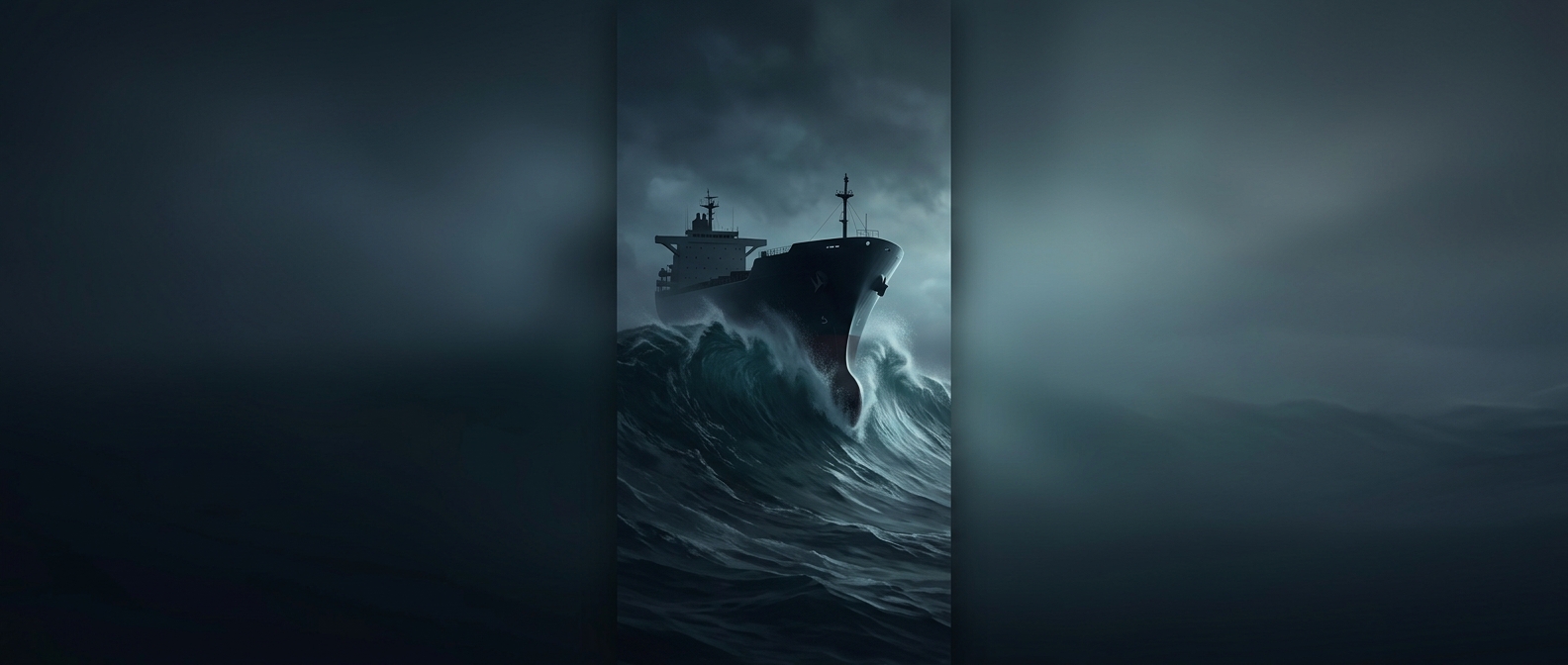
A ship is built to ride waves, but it responds differently depending on which part of the hull meets them. A wave striking the bow pushes the vessel up and down along its length, producing pitch—the seesaw motion of the front and back. A wave hitting the side can instead produce roll, tipping the ship around its long axis.
That distinction matters because a steep wave can deliver a powerful sideways shove high above the waterline. The shove creates leverage: the higher and farther off-center the force acts, the more strongly it can try to rotate the hull. A ship’s weight and underwater shape help it right itself, but a sufficiently severe roll can overwhelm that restoring tendency.
The tradeoff at the bow
Facing the wave does not make the impact harmless. A steep wall of water can slam into the bow, wash over the deck, or drive the front of the ship down between waves. The bow and forward structure must absorb that force, and the vessel may pitch sharply as it climbs and drops.
The crew’s task is to manage the encounter, not simply point the ship toward every large wave. Speed and steering affect whether the bow rises with the water or meets it too violently; conditions and the ship’s design also matter. A wave arriving from ahead and one arriving from the side can call for different responses.
The key is to avoid letting a single breaking crest catch the vessel broadside when possible. Taking a wave on the bow trades a dangerous sideways tipping force for fore-and-aft motion that the ship is generally better shaped to handle—a choice that can keep a frightening impact from becoming a capsize.